


India
oi-Prakash KL

Crude oil prices eased on Saturday, offering a brief respite after weeks of volatility driven by geopolitical tensions in West Asia. However, the broader outlook remains uncertain, with supply disruptions and policy decisions likely to shape fuel costs in India in the coming weeks.
Brent crude futures for July settled at $108.17 per barrel, down $2.23 or 2.02 per cent. Meanwhile, West Texas Intermediate (WTI) crude ended at $101.94 per barrel, slipping $3.13 or 2.98 per cent. The decline follows recent highs triggered by escalating tensions involving Iran, the United States, and Israel, which have rattled global energy markets.
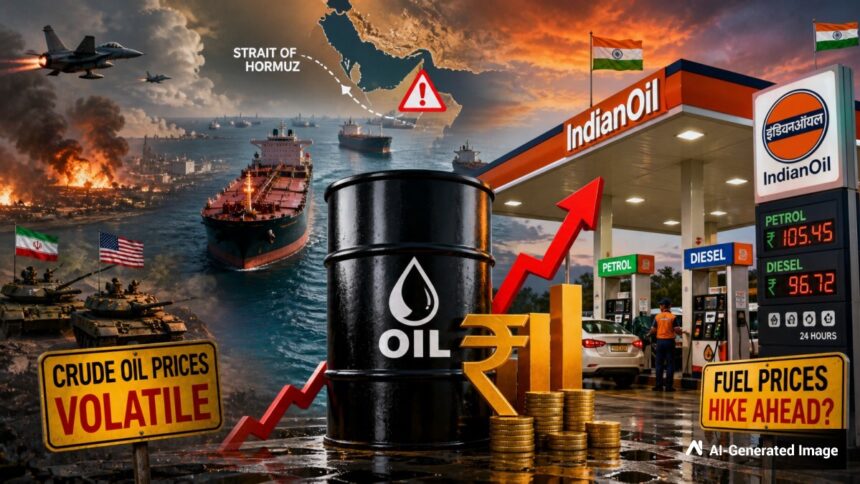
Crude oil prices dipped Saturday amid diplomatic signals, though West Asia tensions persist. India considers a potential hike of ₹4-5/litre for petrol/diesel and ₹40-50 for LPG, aiming to offset losses sustained by oil companies during a near four-year price freeze.

Key Global Oil Price
| Commodity | Last Price | Change | % Change |
|---|---|---|---|
| WTI Crude | 101.94 | -3.13 | -2.98% |
| Brent Crude | 108.17 | -2.23 | -2.02% |
| Murban Crude | 103.76 | -4.26 | -3.94% |
| Natural Gas | 2.780 | +0.013 | +0.47% |
| Gasoline | 3.595 | -0.020 | -0.55% |
| Heating Oil | 3.946 | -0.135 | -3.3% |
Source: oilprice.com
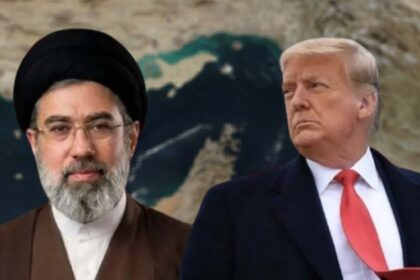
Despite the dip, the oil market remains on edge. The latest price movement comes amid reports of renewed diplomatic signals from Iran regarding negotiations with the US. However, tensions persist, particularly around the Strait of Hormuz – a critical maritime route that handles a substantial share of global oil shipments. Iran’s continued positioning in the region, alongside US naval activity, has heightened concerns over supply disruptions.
Geopolitical Risks Still Dominate
The ongoing crisis in West Asia continues to be the primary driver of oil price fluctuations. Any instability in the Strait of Hormuz can have an outsized impact on global supply chains. Even the possibility of prolonged disruptions is enough to keep prices elevated, analysts say.
While Saturday’s decline may appear reassuring, it does little to offset the sharp rally seen in recent weeks. Crude prices have surged significantly over the past two months, rising by more than 50 per cent at one stage, before the latest correction.
What it means for India
Will Petrol and Diesel Price Be Hiked Now?
For Indian consumers, the key question remains whether this volatility will translate into higher fuel prices. Petrol and diesel rates in India have remained largely unchanged since 2022, despite sharp swings in global crude prices. This unusual price freeze has been sustained even as input costs for oil marketing companies have risen steadily.
A revision in retail fuel prices is now under active consideration, India Today reported citing government sources on Friday. Petrol and diesel could see an increase of around ₹4-5 per litre, while domestic LPG cylinder prices may rise by ₹40-50. If implemented, this would mark the first hike in nearly four years.
As the prices of the crude oil have witnessed a drop on Saturday, people are eager to know whether the government might delay its plan to hike the fuel price.
It has to be noted that the delay in revising prices has already put significant pressure on state-run oil marketing companies, which are reportedly incurring substantial daily losses due to the gap between global crude prices and fixed retail rates. Estimates suggest these losses could run into thousands of crores per day, raising concerns about the long-term sustainability of the current pricing strategy.
A Delicate Balancing Act
The government faces a complex decision. On one hand, raising fuel prices could help stabilise oil companies and align domestic rates with global trends. On the other, any increase would directly impact inflation and household budgets, particularly at a time when cost-of-living pressures remain high.
For now, the slight cooling in crude prices offers temporary relief. But with geopolitical tensions far from resolved, the risk of another surge remains high – keeping both policymakers and consumers on edge.