



Entertainment
oi-Gaurav Sharma

Swara Bhasker has strongly pushed back against online body-shaming, turning a wave of trolling into a broader conversation about motherhood, body image and unrealistic expectations placed on women after childbirth.
The actor, who welcomed her daughter Raabiya in 2023, recently shared screenshots of comments criticising her appearance and weight gain. What began as a personal response quickly evolved into a larger statement on how women’s bodies are often treated as public property-especially in the age of social media.
Actor Swara Bhasker spoke out against postpartum body-shaming, challenging societal pressures on women to quickly regain pre-pregnancy appearance and emphasizing the need for empathy and acceptance of bodily changes after childbirth.

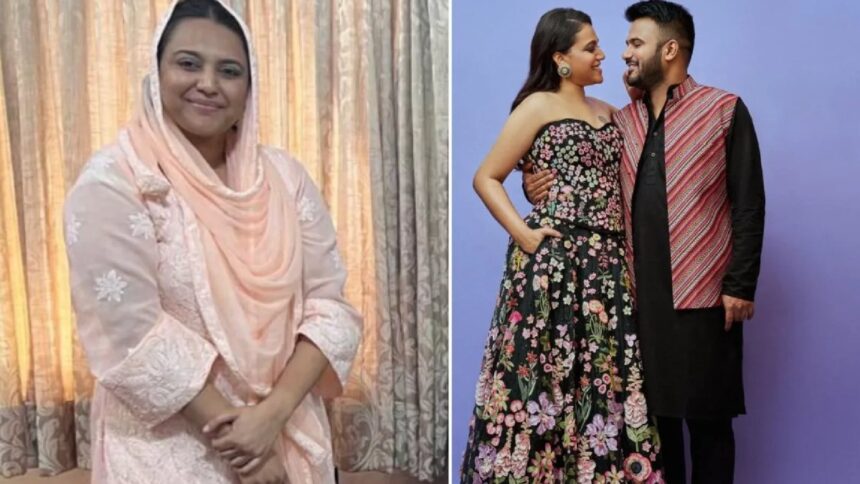
The backlash intensified after Swara posted a throwback image from 2018, prompting comparisons between her past and present appearance. Responding to a critical comment, she called out the “zero self-awareness” behind such remarks, highlighting how casually people judge new mothers without understanding postpartum realities.
In a follow-up post, Swara addressed the issue more directly, rejecting the idea that women must “bounce back” after pregnancy. She argued that motherhood brings lasting physical and emotional changes, and that expecting women to quickly return to a previous body type is both unrealistic and unfair.
Calling out the pressure to conform to narrow beauty standards, Swara emphasised that women’s bodies are not defined by glamour or thinness. Instead, she stressed that bodies go through significant transformations-conceiving, carrying and nurturing life-and deserve respect rather than scrutiny.
She also dismissed the notion that actors must maintain a certain body type to succeed, stating that talent and craft have no connection with weight or appearance. According to her, some of the finest performers have never fit into conventional beauty standards.
Swara’s remarks have resonated widely, sparking conversations around postpartum recovery, mental health and societal expectations. By speaking out, she has reframed a personal experience into a larger debate about acceptance, choice and the need to treat women’s bodies with greater empathy.