



Hyderabad
oi-Ashish Rana

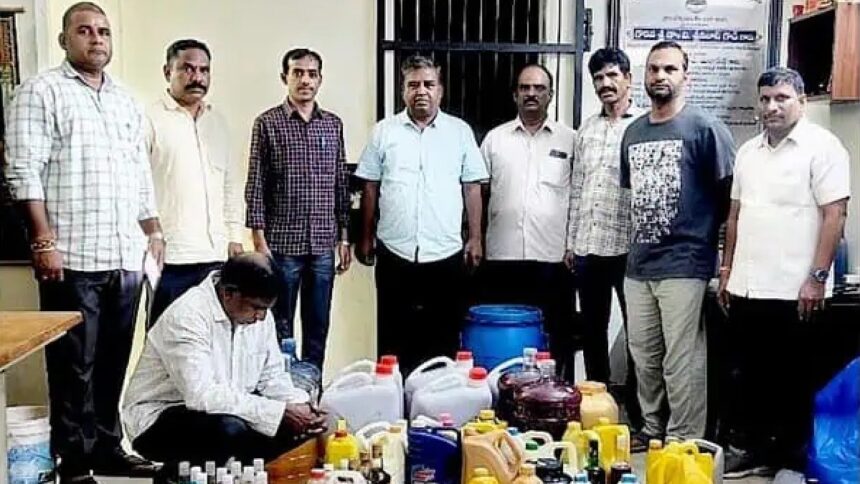
A small wine-making operation in Hyderabad’s Kapra area has drawn attention to a growing enforcement concern: alcohol produced at home or in private units and sold without an excise licence. Telangana Excise and Prohibition Department officials raided the unit and seized 377.7 litres of alleged illegal wine, 502 bottles and equipment used in the manufacturing process.

Hyderabad excise officials seized 377.7 litres of unlicensed homemade fruit wine and arrested Antony Peter in Kapra, highlighting the need for an excise licence for any commercial alcohol production. The operation underscores regulations requiring permits for manufacturing and selling fermented beverages from recognised ingredients.
One person, identified as Antony Peter, was arrested after the raid. Officials said he had learnt the process of making wine through YouTube videos and later began selling the product without obtaining the mandatory permission from the Excise Department. The seized stock was valued at about Rs 1.5 lakh.
The case has also underlined a key legal point for consumers and small home-based producers. Once fermentation generates alcohol, the product falls under the state’s excise laws. Officials said the material found at the unit was not merely fruit juice or a homemade food item, but an alcoholic product being bottled and sold commercially.
Illegal wine sold in Hyderabad neighbourhoods
According to excise officials, Peter was making seven varieties of fruit wine. These included grape, pineapple, guava, sweet lime, sapota, banana and betel leaf wine. The bottles were allegedly sold at Rs 300 each for a 750-ml bottle in Neredmet, Secunderabad, ECIL and Kapra areas.
The raid was conducted at the wine manufacturing unit in Kapra, where officials found both finished bottles and stock in different stages of preparation. The seized material, along with Peter, was handed over to the Kapra Excise Station for further legal action under the relevant provisions of the Excise Act.
Officials said the production process involved natural fermentation of fruits for around 15 days. Sugar and wheat were then added to the fermented material before it was filtered and bottled. The department said this process created alcohol, making the activity subject to excise control and licensing requirements.
Why a licence is required for fermented alcohol
In India, alcohol regulation is handled largely by state governments. Manufacturing, storing, transporting and selling alcoholic beverages usually require permissions from the state excise department. These rules apply not only to large distilleries and breweries, but also to smaller units if they produce alcohol for sale.
The licensing system is meant to regulate alcohol content, production standards, taxation and public safety. Unlicensed alcohol products may not be tested for strength, contaminants or consistency. This makes enforcement important, especially when products are sold directly to consumers without quality checks or labelling oversight.
Fruit wine may appear less risky to buyers because it is associated with natural ingredients. However, fermentation can produce varying levels of alcohol depending on sugar content, yeast activity, temperature and duration. Without technical controls, the final alcohol percentage can be unpredictable.
Excise officials generally treat such products as alcohol if fermentation has occurred and the product is intended for consumption as an intoxicant. The addition of sugar can further accelerate alcohol formation. In commercial production, even small variations in process can affect safety and strength.
YouTube learning and the risks of informal production
The Hyderabad case also reflects how easily food and beverage production techniques are now available online. Video platforms carry many tutorials on brewing, fermentation and homemade wine. While learning a recipe is not itself illegal, producing and selling alcohol without permission can invite criminal action.
Officials said Peter had used YouTube to learn the method and later developed it into a business. The issue, they indicated, was not only the method of learning but the absence of an excise licence. Commercial sale changed the nature of the activity and brought it under regulatory scrutiny.
Home fermentation is also a grey area for many people because fruit-based drinks, pickles and other fermented foods are common in Indian households. The legal risk increases when fermentation produces alcohol and the product is stored, bottled, branded or sold. State laws decide what is permitted and what requires a licence.
For consumers, the concern is more immediate. Unlicensed alcoholic products may not carry proper information on ingredients, alcohol content, batch details or warnings. Buyers may also have no assurance about hygiene, storage conditions or whether the product was prepared using food-grade equipment.
What happens next in the Kapra case
After the seizure, the accused and the confiscated stock were placed before the Kapra Excise Station for further proceedings. Officials are expected to examine the seized wine, equipment and records, if any, to determine the scale of production and sale. Further action will depend on the investigation and applicable sections of the Excise Act.
The department’s action is likely to serve as a warning to others attempting small-scale alcohol sales without permission. Telangana’s excise laws require mandatory approvals for manufacturing and selling alcoholic products, regardless of whether they are made from fruit, grain or other fermentable ingredients.
The seizure in Kapra shows how informal alcohol businesses can emerge from online learning and local demand. It also reinforces the regulatory position that fermented products become excisable once alcohol is generated and commercial sale begins. For buyers, the safest option remains purchasing alcohol only from licensed outlets and approved manufacturers.