



International
oi-Ashish Rana

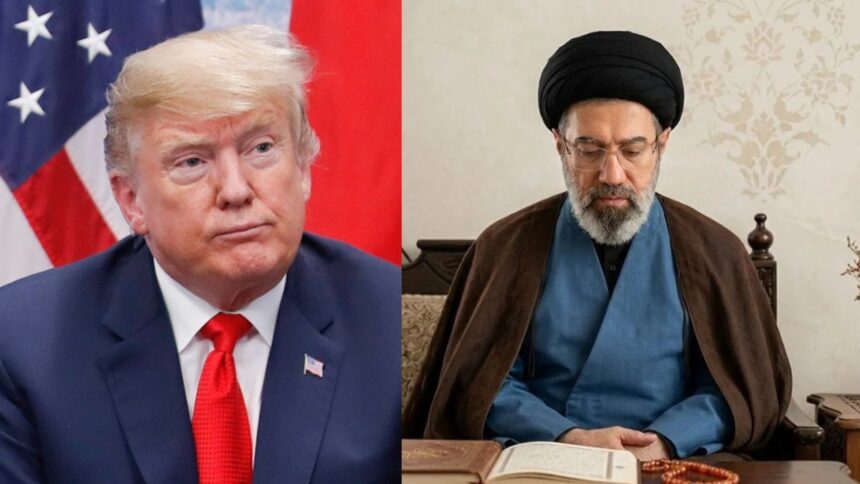
Fresh diplomatic movement has emerged in the ongoing US-Iran conflict, with Tehran reportedly sending Washington a new proposal that could reopen the Strait of Hormuz and create a path toward ending the war. The development comes days after high-profile peace talks in Islamabad were abruptly called off by US President Donald Trump, fuelling uncertainty over whether the two sides were moving closer to talks or deeper into confrontation.

Following canceled Islamabad talks, Iran has reportedly proposed reopening the Strait of Hormuz and delaying nuclear negotiations to the US. President Trump will convene a security meeting to address the proposal amid ongoing regional tensions.
Tehran Signals Willingness To Reopen Hormuz, Delay Nuclear Track
According to Axios, citing a US official and two other sources, Iran has offered a fresh proposal to the United States that includes reopening the Strait of Hormuz as part of a broader effort to end the conflict. Tehran has also reportedly suggested that nuclear negotiations be pushed to a later stage, separating the immediate wartime de-escalation from the more complex long-term dispute over its nuclear programme.
The reported outreach suggests that despite the collapse of the Islamabad channel last week, backchannel contacts between Washington and Tehran remain active as both sides look for a possible off-ramp from the current impasse.
Trump To Convene Security Team Amid Fresh Diplomatic Signals
As these new developments unfold, President Donald Trump is expected to convene a Situation Room meeting on Monday with his top national security and foreign policy advisers. The meeting is likely to focus on Iran’s latest proposal, regional military risks, and the broader strategic fallout of the stalled peace process.
Trump, meanwhile, made clear that domestic security concerns would not shift his attention from the conflict. Referring to a shooting at a Washington media dinner, he said, “It’s not going to deter me from winning the war in Iran. I don’t know if that had anything to do with it, I really don’t think so, based on what we know.”
His remarks came amid continued volatility in both Washington and the wider Middle East, with the administration balancing military pressure and possible diplomatic re-engagement.
Iran Looks To Moscow As Doubts Over US Diplomacy Grow
Iranian Foreign Minister Abbas Araghchi is now travelling to Russia to discuss the status of negotiations with the United States, according to Iranian state media. The visit follows his recent meetings with mediators in Pakistan and Oman, both of which have played roles in facilitating indirect engagement between the two sides.
Araghchi had earlier cast doubt on Washington’s intentions after Trump cancelled the planned Pakistan visit by his envoys. He said it remained unclear whether the United States was “truly serious about diplomacy”, underscoring Tehran’s scepticism even as it reportedly advances a new proposal.
Trump had justified cancelling the Islamabad talks by pointing to divisions within Iran’s leadership. “There is tremendous infighting and confusion within their ‘leadership.’ Nobody knows who is in charge, including them,” he said. At the same time, he insisted the decision did not amount to a return to full-scale war.
Regional Tensions Continue Beyond The US-Iran Track
Even as the ceasefire period was extended elsewhere in the region, tensions remained high on multiple fronts. Israel reportedly struck at least four locations in Lebanon after Prime Minister Benjamin Netanyahu ordered military action against Hezbollah over alleged ceasefire violations.
Pakistan, which had positioned itself as a facilitator for the now-cancelled Islamabad talks, also remains publicly engaged. Prime Minister Shehbaz Sharif said he spoke by phone with Iranian President Masoud Pezeshkian after the diplomatic setback.
“Pakistan remains committed to serve as an honest and sincere facilitator – working tirelessly to advance durable peace and lasting stability in the region,” Sharif wrote on X.
The latest developments indicate that while formal peace talks have faltered, diplomatic channels are far from closed. With Iran offering a new framework, Trump preparing a high-level security review, and regional players still trying to keep mediation alive, the next 24 hours could prove crucial in determining whether the conflict edges toward de-escalation or slips back into deeper confrontation.