



India
oi-Swastika Sruti

A sudden shortage of domestic workers has left many households in Delhi NCR struggling to manage daily chores. The situation has worsened in recent weeks as thousands of migrant workers from West Bengal returned to their hometowns ahead of elections.

A domestic worker shortage in Delhi NCR, caused by migrant workers returning for West Bengal elections, impacts households as app services face high demand and cancellations, forcing residents to manage chores themselves and highlighting urban reliance on migrant labour.
What seemed like a temporary disruption has now turned into a full-blown crisis for many families, especially working couples who depend heavily on house helps.
Why Are Domestic Workers Leaving Cities?
The main reason behind the shortage is the ongoing elections in West Bengal. Many migrant workers have travelled back home to vote, fearing that skipping the process could affect their voting rights or create issues related to citizenship.
It is a tragedy that a state that produced Vivekananda, Netaji, AJC Bose, Tagore, Bankim and Vidyasagar is today thought of merely a source of household help in the rest of India. While there is nothing wrong in working as a maid or driver (all honest labour should be respected),… pic.twitter.com/j7kTjHMLzK
— Sanjeev Sanyal (@sanjeevsanyal) April 26, 2026“>
This fear, combined with political messaging and awareness campaigns, has led to a large-scale movement of workers from metro cities back to their villages.
Demand Surges, But App Services Fall Short
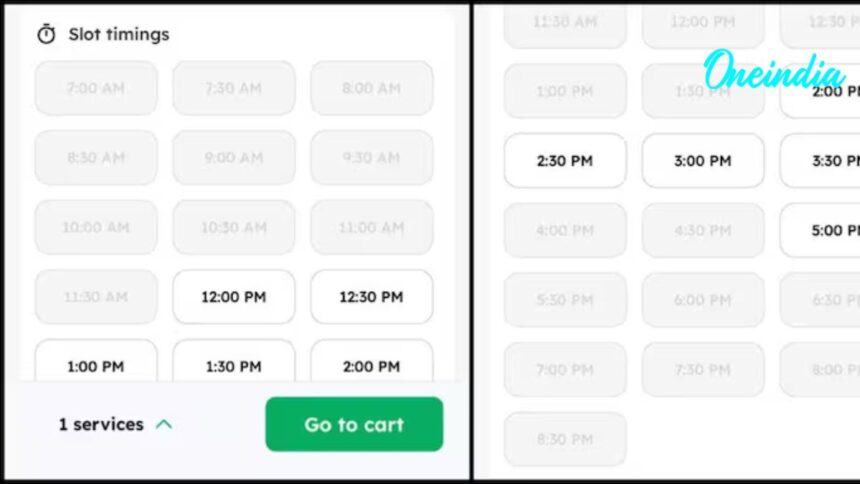
With regular house helps unavailable, many residents turned to app-based services like Urban Company and other instant booking platforms, hoping for quick solutions.
However, the surge in demand has made it extremely difficult to secure slots. Users across Delhi-NCR report that bookings are either unavailable or frequently cancelled.
Some residents say that even when bookings are confirmed, service providers often fail to show up, forcing platforms to issue refunds.
Residents Struggle With Daily Chores
For many families, especially those where both partners work, the situation has become stressful. Without help at home, people are now managing cooking, cleaning, and other tasks on their own.
Residents in areas like Noida, Gurugram, and South Delhi have shared that morning and evening slots-the most convenient times-are almost impossible to book.
As a result, households are adjusting their routines, relying on neighbours, or even returning to self-managed chores, similar to the COVID-19 lockdown period.
Tensions in Residential Societies
In some places, the crisis has led to unexpected tensions. Reports suggest that regular house helps in certain housing societies have protested against allowing app-based workers inside.
Some workers warned that they would stop working altogether if app-based services were given entry, creating further complications for residents.
What Service Providers Are Saying
Service providers have described the situation as temporary. According to companies, such disruptions are common during major regional events like elections.
While platforms claim that overall capacity is stable, they admit that high-demand time slots are getting fully booked quickly, leading to the current shortage.
Rise of Instant House Help Services
The crisis has also highlighted the growing demand for instant house help services in India. Over the past year, this sector has expanded rapidly, offering quick solutions for household needs.
Platforms have seen a sharp rise in bookings, with thousands of users depending on these services daily. However, the current situation shows that even these systems can struggle during sudden demand spikes.
A Temporary Problem or a Bigger Shift?
Experts believe the shortage may ease once workers return after the elections. However, the situation has raised larger questions about urban dependence on migrant labour.
It also highlights the need for more reliable and scalable solutions in the domestic service sector.
Life Adjusts Amid the Crisis
For now, residents across Delhi-NCR are adapting in different ways-some are managing chores themselves, others are coordinating with neighbours, and many are simply waiting for normalcy to return.
The house help crisis may be temporary, but it has clearly exposed how essential these workers are to urban life.