



India
oi-Madhuri Adnal

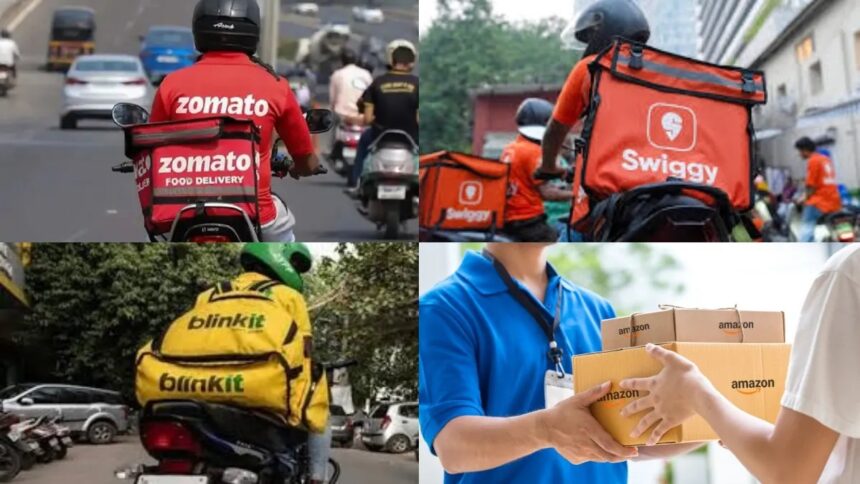
As large parts of India continue to reel under an intense heatwave, gig workers across delivery, ride-hailing and home services sectors are now pushing for urgent intervention from the Centre. Workers associated with platforms like Swiggy, Zomato, Blinkit, Zepto, Uber, Ola, Rapido and Urban Company say working conditions have become increasingly difficult as temperatures cross 40 degrees Celsius in several regions.
At the centre of this demand is a letter sent to the Union Labour Ministry by the Indian Federation of App-based Transport Workers, seeking legally binding heatwave protections for gig and platform workers.
Indian gig workers are calling for legally binding heatwave protections under the Social Security Code, demanding paid breaks, water access, cooling shelters, and protection from penalties due to extreme temperatures exceeding 40°C.

Call for Legal Backing Under Social Security Code
The union has urged the government to frame enforceable protections under the Code of Social Security, 2020, arguing that gig workers continue to operate without basic safeguards despite being exposed to extreme weather conditions for long hours every day.
According to IFAT, the lack of structured policy support is leaving millions of workers vulnerable at a time when climate conditions are becoming more unpredictable and severe.
What Workers Are Asking For
The demands put forward are direct and rooted in on-ground realities.
Workers want paid cooling breaks whenever the India Meteorological Department issues orange or red alerts. They are also seeking guaranteed access to drinking water, ORS solutions and designated cooling shelters during working hours.
There is also a demand for in-app emergency support systems that allow workers to quickly report heat distress and seek assistance when needed.
Equally important is protection from penalties. Workers say they should not face ID blocks, reduced incentives or negative ratings if they pause work due to heat-related health risks.
Global Standards Cited, India Urged to Act
The letter points out that countries such as South Korea, Singapore, France, Japan and the UAE have already introduced enforceable labour protections during extreme heat conditions.
The message from unions is clear. India needs to act now.
“Heat protection is not a privilege. It is a labour right, a public health necessity and a matter of dignity,” said Shaik Salauddin, National General Secretary of IFAT.
Delhi and Telangana Unions Raise Alarm
The issue is also being flagged at the state level. The Gig and Platform Service Worker Union has urged the Delhi government to take immediate note of the worsening heat conditions and introduce protective measures.
Among the key suggestions is a pause in work between noon and 3 pm, when temperatures are at their peak. The union has also called for faster implementation of welfare measures, including rest facilities, access to subsidised meals through Atal canteens, breathable uniforms and heat-safe gear.
Special attention has been sought for women workers, including access to safe rest spaces and clean toilets.
At the same time, the Telangana Gig and Platform Workers Union has taken a more public-facing approach.
A Simple Ask: Offer Water
In a message shared on X, the Telangana union urged citizens to show empathy towards delivery workers who spend long hours outdoors in extreme heat.
With temperatures touching 43 to 45 degrees Celsius in some areas, the union highlighted that even a small gesture like offering a glass of water can make a significant difference.
Rising Demand, Uncertain Workforce
The timing of this appeal is critical. Delivery platforms are currently seeing increased demand driven by the summer season and events like the Indian Premier League.
However, reports indicate that companies are finding it harder to predict rider availability this year due to multiple factors, including Assembly elections and disruptions linked to the Iran war affecting LPG supplies.
This mismatch between rising demand and uncertain workforce availability is adding pressure on an already strained system.
The latest demands once again bring attention to a larger issue. India’s platform economy runs on speed and scale, but worker safety often remains secondary.
Many of the unions leading the current push have previously called for changes in high-pressure delivery models, including demands to rethink ultra-fast delivery timelines during peak seasons.
As heatwaves become more frequent and intense, the conversation is shifting. For millions of gig workers, this is no longer just about earnings. It is about working conditions, safety and basic dignity in an increasingly harsh climate.