


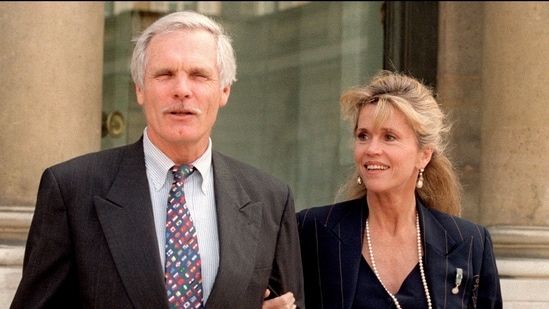
Ted Turner, the billionaire media tycoon who established CNN and played a pivotal role in transforming modern television, passed away on Wednesday at the age of 87.
Throughout the years, Turner developed an extensive empire that encompassed cable networks like TBS and TNT, while also making a significant impact on professional sports through his ownership of the Atlanta Braves.
Renowned for his audacious personality and readiness to embrace risks, he revolutionized both the delivery of news—by launching the first 24-hour cable news channel—and the marketing of sports teams to a national audience. His larger-than-life character, along with his marriages to prominent individuals such as actress Jane Fonda, solidified his status as one of the most recognizable media personalities of his time.
Ted Turner’s three marriages turn into divorces
He was married three times during his lifetime—to Julia Gale Nye, Jane Shirley Smith, and Jane Fonda—and fathered five children from these unions.
Turner entered into matrimony with his first spouse, Julia (Judy) Gale Nye, in 1960. This union endured for several years before concluding in divorce in 1964. They were blessed with two children.
In 1965, Turner wed Jane Shirley Smith, initiating a partnership that would span over twenty years. The couple ultimately divorced in 1988 after approximately two decades of marriage. Together, they had three children.
Ted Turner and Jane Fonda’s wedding
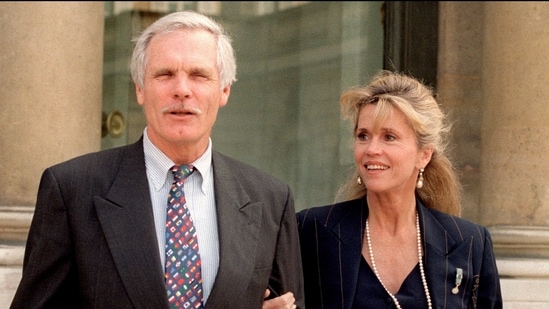
Turner’s most notable marriage was to actress and activist Jane Fonda, whom he wed in 1991. This relationship garnered significant attention due to their celebrity status and influence across various domains, uniting two of the most recognizable public figures of that time.
The couple was married for approximately ten years before their divorce in 2001, and they did not have any children together. Their relationship unfolded largely in the public eye during a time when Turner’s media empire was on the rise and Fonda was actively engaged in her film and activism career, ensuring that both individuals remained in the limelight.
Their marriage also illustrated a broader blend of personalities and priorities that characterized both of their careers. Turner, recognized for his candid and often unpredictable demeanor, stood in contrast to Fonda’s shifting emphasis on activism and spirituality, a dynamic frequently highlighted in the media coverage of their relationship.
Even after their separation, the relationship continued to be a significant aspect of Turner’s personal life. He later expressed publicly the importance of the marriage, referring to Fonda as one of the most significant relationships he had—emphasizing how closely intertwined his personal life and public persona were during that time.