


International
oi-Prakash KL

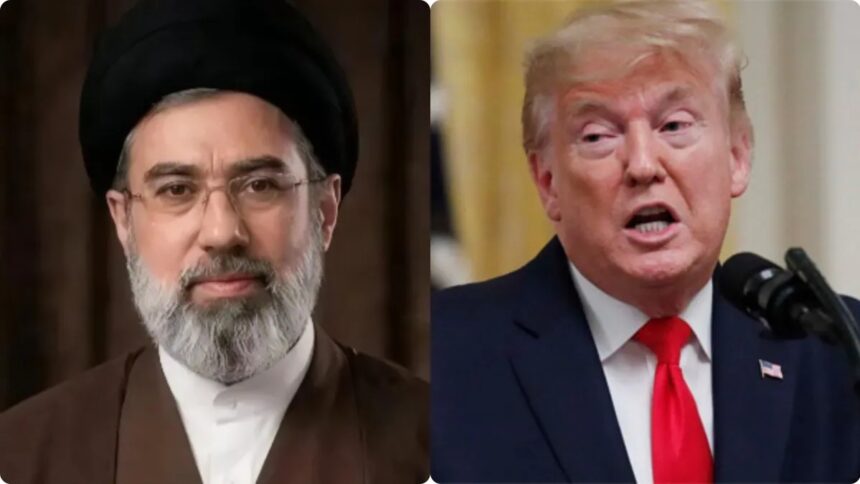
The United States and Iran could restart negotiations next week in Islamabad, The Wall Street Journal reported cited sources familiar with the discussions.
The proposed talks are expected to focus on a draft memorandum of understanding (MoU) designed to establish a roadmap for a month-long diplomatic process aimed at reducing tensions and ending the ongoing conflict in West Asia.
The United States and Iran may restart negotiations in Islamabad next week, focusing on a draft framework document concerning Iran’s nuclear program and sanctions relief to de-escalate regional tensions.

The report said negotiators from both countries are working through intermediaries on a one-page, 14-point framework document. The draft reportedly addresses several key issues, including Iran’s nuclear programme, security concerns in the Strait of Hormuz, and possible arrangements for transferring Iran’s stockpiles of highly enriched uranium to a third country.
However, significant differences remain unresolved. One of the major sticking points is the extent of sanctions relief that Tehran could receive in exchange for concessions on its nuclear activities and regional conduct. Officials familiar with the negotiations indicated that disagreements over sanctions could delay or complicate progress toward a broader agreement.
If both sides reach initial consensus, the talks would begin with a one-month negotiating period that could later be extended through mutual agreement.
Meanwhile, US President Donald Trump said on Friday that Washington was awaiting a formal response from Tehran regarding the latest American proposal intended to de-escalate the conflict.
Speaking to reporters before departing for an event at his golf property in Sterling, Virginia, Trump said, “We’ll hear from them supposedly tonight,” when asked whether the Iranian government had responded to the US initiative.
Asked if he believed Iran was intentionally slowing the process, Trump replied that he was uncertain. “We’ll find out soon enough,” he added.
US Secretary of State Marco Rubio also confirmed that Washington expected an Iranian response later in the day. Speaking to reporters in Rome during a diplomatic visit to Italy and the Vatican, Rubio said the administration hoped Tehran would present “a serious offer” that could pave the way for meaningful negotiations.
“We should know something today,” Rubio said, while noting that divisions within Iran’s political system may be affecting the pace of decision-making. “Their system is still highly fractured, and it’s dysfunctional as well, so that may be serving as an impediment,” he added.
Trump had earlier disputed descriptions of the US proposal as merely a “one-page offer,” insisting that it involved broader commitments from Iran. According to Trump, the proposal requires Tehran to permanently abandon ambitions for nuclear weapons and surrender sensitive nuclear material.
Regional tensions have intensified since US and Israeli strikes on Iran on February 28 prompted retaliatory attacks from Tehran and disruptions in the Strait of Hormuz, a vital global energy transit route. A ceasefire brokered through Pakistani mediation came into effect on April 8, although an initial round of talks in Islamabad on April 11 failed to secure a lasting agreement. Since April 13, the US has continued a naval blockade targeting Iranian maritime activity in the strategic waterway.
With inputs from agencies