Lifestyle
-Oneindia Staff

Dust and pollen can trigger sneezing, itchy eyes, cough, and blocked nose. Allergy-proofing your home means cutting the amount of these triggers indoors. Focus first on the bedroom, main living area, and entry points. Small daily steps work better than rare deep cleans. The tips below help reduce dust mites, dust, and pollen in a simple, practical way.
Dust builds up in bedding, curtains, carpets, and soft toys. Pollen enters through open windows, clothes, hair, and pets. Humid air can support dust mites, while dry air can spread fine dust. The aim is to lower what collects, what enters, and what stays in the air you breathe.
Allergy-proofing your home reduces indoor dust, pollen, and dust mites via regular cleaning, humidity control (40-50%), managing air flow, and preventing allergen entry from windows, pets, and clothing.

Clear clutter from floors and open shelves, as it traps dust. Store items in closed boxes or cupboards. Use a doormat outside and a small mat inside the door. Keep shoes near the entrance. Wipe hard surfaces with a damp cloth, since dry dusting can lift dust into the air.
Set a simple cleaning plan
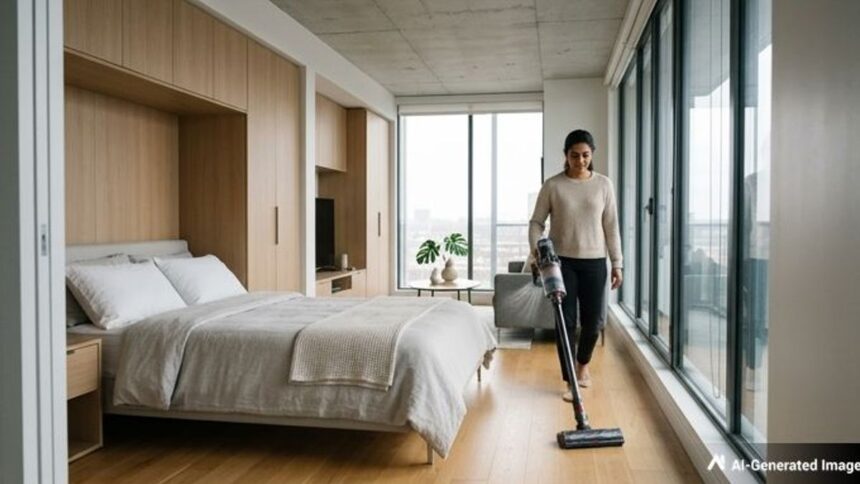
Vacuum two to three times a week in busy rooms. Use a vacuum with a HEPA filter if possible. Mop hard floors with water and a mild cleaner. Clean from top to bottom, so dust falls onto areas you will clean later. Empty the vacuum outdoors, and wash hands after cleaning.
Focus on bedding and the bedroom
Wash bedsheets, pillow covers, and blankets weekly in hot water when fabric care allows. Use zip covers for mattress and pillows to reduce dust mites. Keep extra pillows and quilts stored in closed bags. Avoid drying bedding outside during high pollen days, as pollen can stick to the fabric.
Reduce dust from floors
Carpets can hold dust, skin flakes, and pollen. If you can, choose smooth flooring like tiles, vinyl, or sealed wood. If you keep carpets, vacuum slowly and often, especially near sofas and beds. Use washable rugs and wash them often. Keep floor corners clear to make cleaning easy.
Control dust in curtains and soft furnishings
Heavy curtains and fabric blinds collect dust. Pick washable curtains or roller blinds where you can. Wash curtains as per label, and wipe blinds weekly with a damp cloth. Vacuum sofas and cushions, including under seat pads. If you use throws, choose ones you can wash often.
Manage air flow and indoor air filters
During high pollen days, keep windows closed in the morning and early evening, when pollen can be higher. Use an exhaust fan in kitchens and bathrooms to move damp air out. If you use an air purifier, choose one with a HEPA filter and place it in the bedroom or living room.
Keep humidity in a safer range
Dust mites grow better in humid rooms. Aim for indoor humidity around 40% to 50% if you can measure it. Fix leaks, dry wet areas fast, and avoid drying clothes inside small rooms. Use a dehumidifier in damp spaces, and clean it as advised to stop mould and dust build-up.
Stop pollen at the door
Pollen rides in on clothes and hair. After coming home, change into indoor clothes and keep outdoor clothes in a closed basket. Shower and wash hair in the evening during peak pollen season. Wipe phone screens and glasses, since pollen can stick to them. Keep windows shut when sweeping balconies.
Pets can carry pollen and dust
Pets can bring pollen indoors on fur and paws. Wipe paws with a damp cloth after walks. Brush pets outside, not on the sofa or bed. Wash pet bedding weekly. If allergies are strong, keep pets out of the bedroom. Vacuum areas where pets rest, as dander can mix with dust.
Kitchen and bathroom steps that cut triggers
Grease and damp areas can trap dust. Use a chimney or exhaust fan while cooking. Clean sink drains and keep bins covered. In bathrooms, dry tiles and corners to reduce mould, which can irritate allergies. Wash bath mats often. Store cleaning items neatly, so you can wipe shelves and corners with ease.
Track pollen levels and plan your day
Check local pollen reports during allergy season. On high pollen days, keep outdoor time shorter, and avoid sweeping outdoor spaces. If you need fresh air, open windows for a short time after rain, when pollen may be lower. Use a car cabin air filter, and keep car windows shut on dusty roads.
When home steps are not enough
If symptoms stay for weeks, disturb sleep, or affect breathing, speak with a doctor. Wheeze, chest tightness, or fast breathing needs quick care. A doctor can suggest allergy tests and safe treatment. Share what triggers you notice, like dust, pollen season, or pets, so your plan fits your daily life.