


International
oi-Swastika Sruti

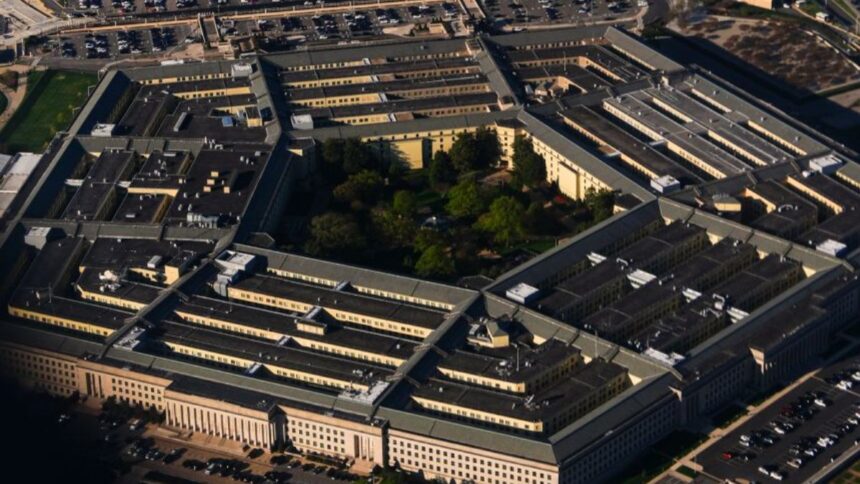
The ongoing conflict between the United States and Iran has sparked a major debate over its true financial cost. At a recent congressional hearing, officials from the Pentagon stated that the war has cost around $25 billion so far. While this figure was presented as an official estimate, it has quickly drawn skepticism from analysts and lawmakers who believe the actual cost could be much higher.

Pentagon officials estimate the US-Iran conflict costs $25 billion, mainly for munitions and operations, but critics believe the actual financial burden is higher due to significant excluded expenses like repairs and pre-war build-up.
During the hearing, Pentagon officials explained that the estimate mainly includes the cost of munitions used in the conflict and operational expenses such as running military missions and deploying forces in the region.
Acting comptroller Jules Hurst said the figure reflects the spending on weapons and operations but did not provide a complete breakdown of how the total was calculated. This lack of detailed explanation has added to doubts about whether the number truly captures the full scale of war spending.
Experts argue that even partial calculations suggest a significant financial burden. Reports indicate that the cost of munitions, damaged equipment, and basic operations alone could already reach about $14 billion.
This estimate covers only a portion of the war effort and leaves out several important expenses. Analysts believe that the Pentagon’s figure may be limited in scope and does not reflect the broader economic impact of the conflict.
One of the biggest concerns raised by critics is that many key costs have not been included in the official estimate. These include the repair of damaged US facilities in West Asia, the cost of military build-up before the war officially began, and the ongoing expenses of maintaining naval blockades and operations in the region.
Rising fuel and logistics costs are also seen as major factors that could significantly increase the overall spending. According to Stimson Center expert Kelly Grieco, the $25 billion figure appears to be a narrow accounting that does not fully represent the true cost of the war.
Lawmakers have also voiced concern over the accuracy of the estimate. The Center for Strategic and International Studies has suggested that the cost of munitions alone could reach $25 billion, which would mean the Pentagon’s total estimate is likely incomplete.
Senator Richard Blumenthal has previously stated that the war could be costing around $2 billion per day, describing even that estimate as a “low-ball figure.” Such comments reflect growing anxiety within political circles about the long-term financial burden of the conflict.
US Defence Secretary Pete Hegseth faced tough questions during the congressional hearing, which lasted for several hours and also covered the administration’s proposed $1.5 trillion defence budget.
Lawmakers pressed him on the rising costs of the war and its impact on military resources, but he avoided giving a clear answer on how long the conflict might continue or how much more it could cost in the future. The uncertainty surrounding both the duration and expense of the war has only deepened concerns.
The discussion also touched on the human cost of the conflict, including reports of civilian casualties. One incident under investigation involves a strike in Minab that reportedly led to the deaths of more than 150 children. Officials said the matter is still being examined, adding another layer of seriousness to the ongoing debate about the war’s impact.
Overall, the question of how much the war between the United States and Iran truly costs remains unresolved. While the Pentagon has offered a $25 billion estimate, many experts and lawmakers believe the real figure could be far higher. As the conflict continues, both its financial and human costs are likely to face increasing scrutiny, keeping the issue at the centre of political and public discussion.