



Lifestyle
-Oneindia Staff

Preventive healthcare means taking steps to stop illness before it starts. Small daily habits can lower your risk of heart disease, diabetes, infections, and some cancers. It also helps you save money on care later. These preventive healthcare tips focus on checks, vaccines, food, movement, sleep, stress, and safety.
Health checks can find problems early, when treatment is simpler. Adults should track weight and waist size. Check blood pressure at least once a year. Ask your doctor about blood sugar and cholesterol tests. Screening needs change with age, sex, and family history.
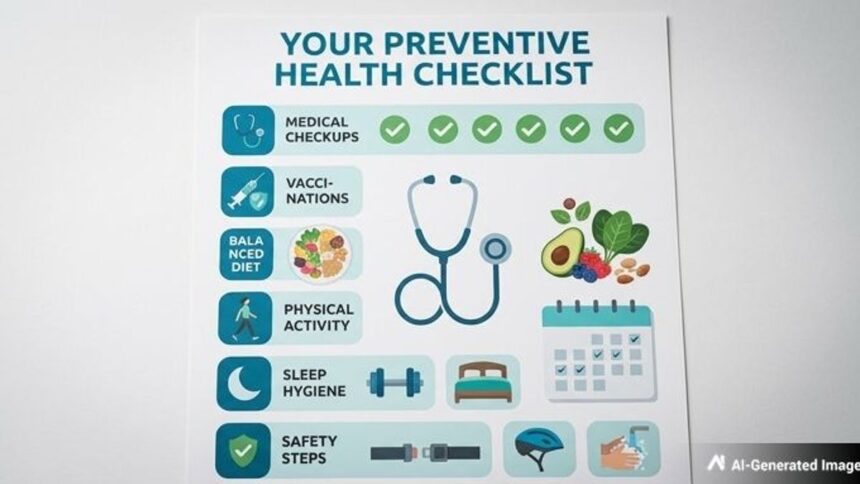
Preventive healthcare involves regular health checks, vaccinations, healthy eating, physical activity, adequate sleep, stress management, and safety habits to avoid illness and promote long-term health, guided by awareness of personal health risks.

Women may need breast and cervical cancer screening. Men may need prostate checks based on age and risk. Both may need bowel cancer screening after a certain age. Do not self-test too much. Use trusted labs and follow medical advice for next steps.
Vaccination is a key part of preventive care. It lowers the chance of serious illness and spreads fewer germs. Keep routine vaccines up to date. Adults may need boosters, based on age and health. Ask your doctor about flu, hepatitis, and other vaccines you may need.
Hand hygiene also reduces infections. Wash hands with soap for 20 seconds. Do this before eating and after the toilet. Use clean water and safe food. In crowded places, avoid touching your face. If you feel unwell, stay home when you can.
Healthy eating for daily prevention
A balanced diet supports immunity and steady energy. Fill half your plate with vegetables and fruit. Add dals, beans, eggs, or lean meat for protein. Choose whole grains like brown rice or millets. Use less salt, sugar, and fried foods to protect the heart.
Watch portion size and snack choices. Many packaged foods have hidden salt and sugar. Read labels when you can. Drink water often, especially in hot weather. Limit sugary drinks and alcohol. If you have high blood pressure or diabetes, follow a plan set by your clinician.
Physical activity and sitting time
Regular exercise improves heart health and mood. Aim for at least 150 minutes of brisk walking each week. Add strength moves twice a week. Use stairs when possible. In Indian cities, walking indoors, in parks, or on terraces can also work.
Long sitting hours raise health risks. Take a short break every 30 to 60 minutes. Stand, stretch, or walk for two minutes. If you work at a desk, adjust chair and screen height. Good posture can reduce back and neck pain over time.
Sleep and daily routine
Sleep helps the body repair and fight illness. Most adults need seven to nine hours each night. Keep a fixed sleep and wake time. Reduce screen use before bed. Avoid heavy meals late at night. If you snore loudly or feel sleepy in daytime, seek medical advice.
A steady routine supports better habits. Plan meals and activity times. Keep a simple checklist for medicines if you take them. Build small changes first, like a short walk after dinner. Small steps are easier to keep. Over weeks, they can improve long-term health.
Stress control and mental wellbeing
Chronic stress can affect sleep, blood pressure, and digestion. Simple tools can help. Try slow breathing for five minutes. Spend time with supportive people. Take short breaks during work. If worry is constant, or you lose interest in daily life, talk to a counsellor or doctor.
Limit news and social media if they raise anxiety. Choose one or two set times to check updates. Keep time for hobbies and rest. Physical activity also lowers stress. For children and teens, watch for changes in sleep, appetite, or school focus, and seek help early.
Habits that reduce long-term risk
Tobacco harms almost every organ and raises cancer risk. Avoid smoking and chewing tobacco. If you use tobacco, ask for quitting support. Alcohol can also harm the liver and heart. If you drink, keep it low and avoid binge drinking. Never drink and drive.
Protect your skin and eyes from sun and heat. Use shade and light clothing in peak sun. Drink water often and add oral rehydration if needed. Use helmets on two-wheelers and seat belts in cars. At home, store medicines and cleaners away from children.
Know your personal risk
Family history matters in preventive health. Tell your doctor if close relatives had diabetes, heart disease, stroke, asthma, or cancer. Share your work risks too, like dust, chemicals, or long shifts. This helps decide what tests you need and how often you need them.
Learn early warning signs that need care. Chest pain, sudden weakness, trouble breathing, or fainting need urgent help. For fever lasting more than a few days, seek advice. Do not ignore blood in stool or urine. Early action often prevents serious problems later.