Among the regions going to the polls this month, the contest in West Bengal is no doubt the most charged. The BJP believes it has the opportunity to dislodge the 15-year-old Trinamool Congress (TMC) administration in a state where political power has transferred only once in the past five decades. It has the makings of a blockbuster contest – the kind that energises Indian democracy, buoys turnout and pushes the indifferent to get off the fence and towards the voting booth. The first phase of polling reported a turnout of close to 92%.

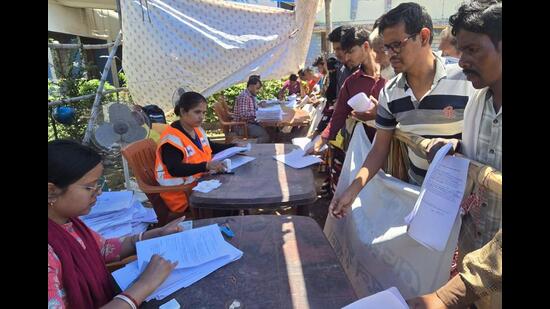
Unfortunately, a cloud continues to hover over these elections — that of the millions of people left disenfranchised by the controversial logical discrepancy category in the special intensive revision. This newspaper reported on Thursday that judicial tribunals had cleared only 139 people to vote in the first phase of the elections after considering 680-odd applications — barely a drop in the ocean of 1.4 million people seeking redressal in the first phase. Many of the 19 tribunals took days to start functioning even after the Supreme Court invoked its extraordinary powers to relax the rules governing people seeking to challenge their deletion from the electoral rolls. This meant that a vast majority of people were neither accepted nor rejected by the tribunal because their hearing never happened — they simply ran out of time. That such an eventuality could happen in a process conducted by the Election Commission of India (ECI) after repeated interventions by the Supreme Court is disquieting.