


Bengaluru
oi-Swastika Sruti

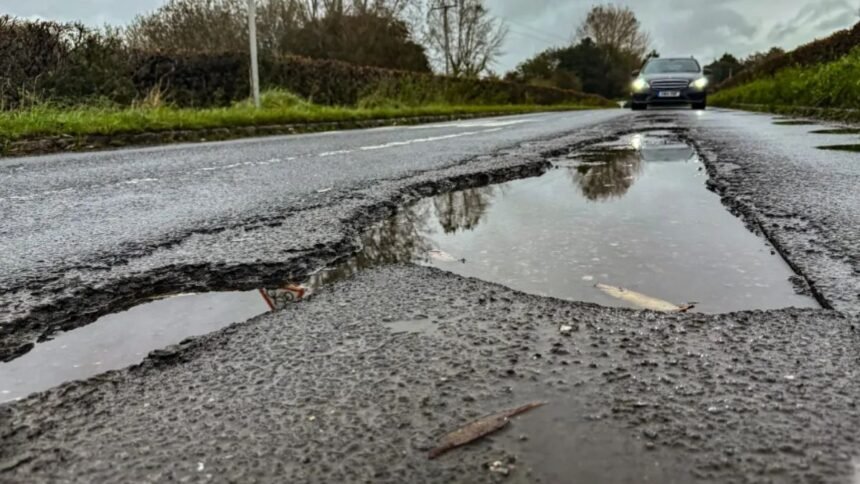
Tired of watching potholes damage his car and seeing road problems go unresolved, an Indian engineer in Bengaluru decided to build a technology-based solution.

In Bengaluru, an Indian engineer developed an AI-powered app that uses dashcam footage and GPS to detect and classify potholes, matching them to responsible government contractors from nearly 2,900 contracts to generate instant complaint reports.
Using a dashcam, GPS, an accelerometer and Codex, he created an app that can detect potholes while he drives, identify their location and size, and even find the government contract linked to the road. The app can then generate a complaint containing the key details needed to report the pothole to the authorities.
How The Pothole Detection App Works
The system starts with a simple setup.
The engineer installed a dashcam in his car to capture images of the road. GPS records the exact location, while an accelerometer helps identify sudden movements and impacts that could indicate a pothole.
An Indian engineer in Bengaluru got tired of potholes destroying his car.
So he built an app with Codex that detects them, finds who is responsible, and files a complaint.
Here is how it works. He installed a dashcam with GPS and an accelerometer. The app records everything… pic.twitter.com/8NAnc4cBms
— Vaibhav Sisinty (@VaibhavSisinty) August 15, 2026
As the car moves, the system analyses the road footage and identifies potholes.
The AI model then categorises them into three sizes:
This allows the system to create a structured record of the potholes detected during a journey.
The Clever Part: Finding Who Is Responsible
However, identifying a pothole is just the first step. What poses a greater challenge is figuring out who will take care of the repairs.
The engineer changed the algorithm so that it would browse approximately 2,900 government contracts related to roads and their maintenance.
The software tries to match the pothole to a certain government contract and figure out the name of the company responsible for maintaining the particular road.
It is crucial since according to the contracts and road maintenance conditions, certain roads stay within the maintenance jurisdiction of a particular company for a limited period of time. Thus, pothole repairs may be needed even at no extra cost.
Complaint Ready In Just A Few Seconds
Once a pothole is detected and matched with the relevant contract, the application prepares the information required for a complaint.
The generated report can include:
- Photograph of the pothole
- GPS location
- Pothole classification
- Tender or contract number
- Details of the responsible officer
- Relevant contractor information
The engineer says the system can prepare a complaint in around four seconds.
This means a single drive can potentially produce multiple ready-to-file complaints instead of requiring the driver to manually document every pothole.
One Drive, 12 Potholes, 12 Complaints
The engineer implemented the concept by utilizing his regular route to work.
On a single trip, the program identified 12 potholes.
Not just identifying their locations but processing the potholes and generating 12 individual complaints for them.
The method makes pothole reporting, which was an exhausting process, automatic and can be done without the need for any human intervention.
Why Pothole Reporting Matters
Potholes are more than an inconvenience for motorists.
Poorly maintained roads can damage vehicles and increase the risk of accidents, particularly for two-wheeler riders who may have little time to react to a sudden depression in the road.
The engineer cited figures suggesting that more than 2,000 people die every year in India in accidents linked to potholes.
The problem is therefore not only about repairing damaged roads. It is also about making sure complaints reach the right authority quickly and that responsibility for maintenance can be identified.
Using AI To Make Civic Complaints Easier
The project shows how AI can be used for a very practical civic problem.
Instead of using AI simply to generate text or answer questions, the engineer has connected it with real-world data, location information, images and government contract records.
The idea is straightforward: detect the problem, identify responsibility and prepare the complaint.
If such technology can be expanded and connected with official complaint systems, it could potentially help citizens report road problems more efficiently and give authorities better information for taking action.
For now, the Bengaluru engineer’s experiment offers an interesting example of how AI and everyday technology can be combined to tackle a problem that motorists across Indian cities encounter regularly.