


Spotlight
oi-Oneindia Staff

Punjab has recorded a sharp increase in admissions to government-run de-addiction and rehabilitation centres, indicating that more individuals and families are turning to formal treatment as part of the Bhagwant Mann government’s ‘Yudh Nashean Virudh’ campaign.

Punjab saw de-addiction centre admissions rise over 164% to 25,290 in 2025 and rehab admissions over 224%, coinciding with the ‘Yudh Nashean Virudh’ campaign and granting over 11,000 NDPS Act immunity.
Admissions at government de-addiction centres increased from 9,577 in 2024 to 25,290 in 2025, marking a rise of more than 164 per cent. The upward trend has continued in 2026, with more than 14,000 people admitted to these centres by July.
The increase followed the launch of the ‘Yudh Nashean Virudh’ campaign in March 2025. The government has linked the growing number of admissions to greater willingness among people affected by drug addiction to seek professional help instead of allowing social stigma to prevent them from accessing treatment.
For many individuals struggling with substance dependence, seeking treatment can come after years of addiction. The expanding network of government facilities is aimed at making treatment and rehabilitation more accessible while encouraging affected people and their families to seek timely support.
Government rehabilitation centres have also reported a substantial increase in admissions. The number rose from 2,644 in 2024 to 8,574 in 2025, registering an increase of more than 224 per cent. By July 2026, more than 5,800 people had already been admitted, which is nearly 68 per cent of the total admissions recorded throughout 2025.
Punjab has also seen increased registrations at its Outpatient Opioid-Assisted Treatment (OOAT) clinics. New registrations climbed from 13,033 in 2024 to 17,702 in 2025. More than 12,500 new patients had registered with the OOAT network by August 2026.
The figures indicate that the state’s response to drug addiction now includes multiple treatment options. People dealing with substance dependence can access government de-addiction centres, rehabilitation facilities and outpatient treatment through the OOAT network.
The state has also invoked provisions under the Narcotic Drugs and Psychotropic Substances (NDPS) Act to encourage treatment. As of August 27, 2026, more than 11,000 individuals had been granted immunity under Section 64A of the Act. The provision offers legal immunity to people suffering from drug addiction who are charged with consumption or possession of drugs, subject to the conditions prescribed under the law.
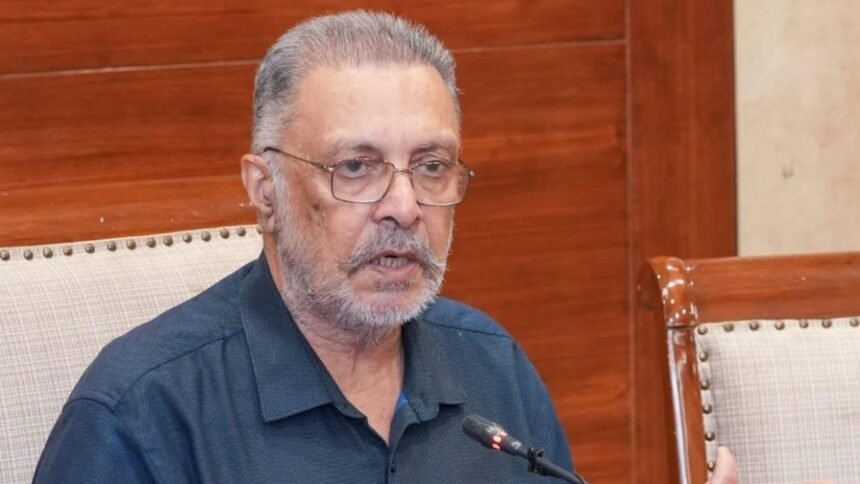
Health and Family Welfare Minister Dr Balbir Singh said, “For Punjab, the sharp increase in admissions is proving to be one of the most encouraging indicators of the initiative: people are increasingly stepping forward, families are seeking institutional support and the state’s treatment network is reaching individuals who may otherwise have remained outside the formal system.”
He further said, “Yudh Nashean Virudh stands on three pillars: strict enforcement against smugglers, treatment and rehabilitation for the affected, and prevention to protect our children before drugs ever reach them. With treatment and rehabilitation, our effort is to bring people back from addiction, restore families and give those struggling with substance abuse a genuine pathway to recovery.”