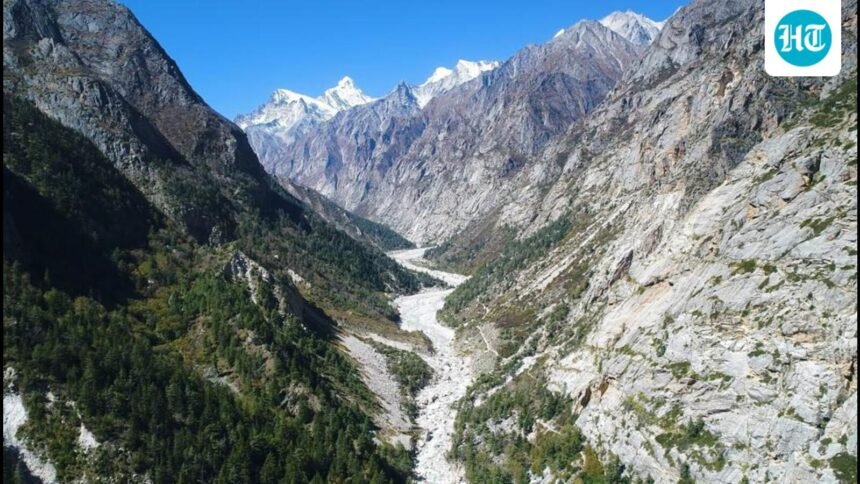
The recent Nepal flash floods, like the 2023 Sikkim flash floods, underline the vulnerability of Himalayan ecosystems to melting glaciers, as anthropogenic warming of the planet gathers pace and intensity. A new study quantifies the extent of damage caused to the glaciers. Systemiq, a consultancy firm, in collaboration with the Integrated Mountain Initiative, using inputs from the International Centre for Integrated Mountain Development (ICIMOD) and GB Pant National Institute of Himalayan Environment, has found that Himalayan glaciers are melting 65% faster than a decade ago.
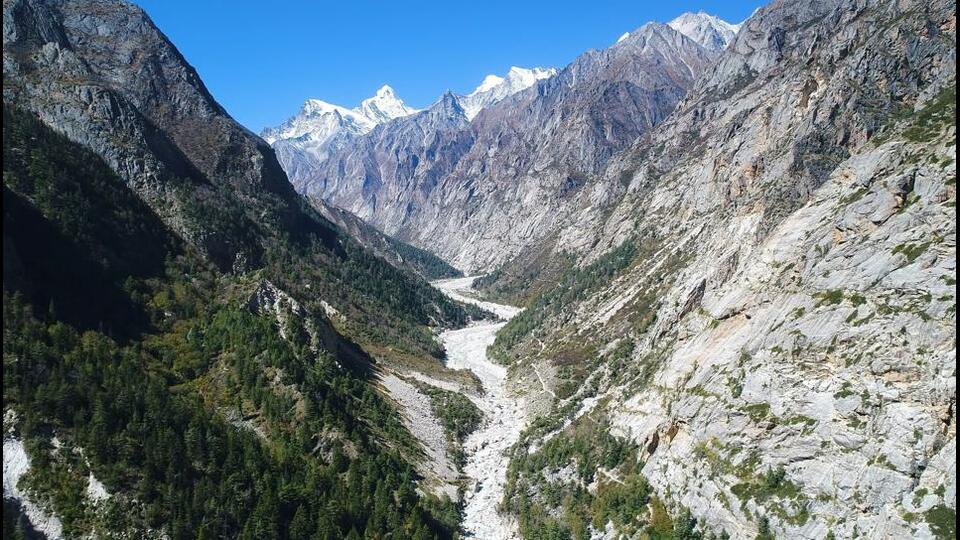
Settlements in the Himalayas, already perched on unstable surfaces, will likely face increased risks of glacier collapses and glacial lake outburst floods. In the long-term, as glaciers shrink rapidly, freshwater sources could dry up for downstream areas. For India, that means water scarcity not just in the mountains and abutting valleys, but also in the plains. Given the outsized contribution of the Himalayan river systems to the country’s economy, reduced irrigation potential, loss of hydropower generation, and shrinking drinking water sources will collectively cause a serious dent.