


By using this site, you agree to the Privacy Policy and Terms of Use.
Accept
Next India Magazine
  • Home
    • Home 2
    • Home 3Hot
    • Home 4
    • Home 5New
  • Home
  • Opinion

    That Provide Critical Analysis on Political Decision-Making

    krutikadalvibiz@gmail.com

    Analyzing Global Dynamics and Unraveling Key Policy Initiatives

    krutikadalvibiz@gmail.com

    Luxurious Stays Redefining Hospitality at Hotel Havens

    krutikadalvibiz@gmail.com

    Electric Cars Subsidies by German Taxpayers End Up on Foreign Roads

    krutikadalvibiz@gmail.com

    Challenge and Inspire Future of Political Thought

    krutikadalvibiz@gmail.com

    Assessing the Diplomatic Challenges and Global Security

    krutikadalvibiz@gmail.com
  • World
  • Politics
  • Market
  • Health
  • Insurance
  • Pages
    • Blog Index
    • Contact US
    • Search Page
    • 404 Page
    • Technology
    • World
  • Pages
    • Blog Index
    • Search Page
    • 404 Page
  • Technology
    TechnologyShow More
    Ramya Sudha Vinukonda: A Biology Teacher Turning Government School Classrooms into Spaces of Possibility
    6 Min Read
    Dr. Nishant Sawant: The Mind Behind Secure Digital Progress
    4 Min Read
    NASA’s Artemis II Mission Rekindles Humanity’s Dream of Deep Space Exploration
    5 Min Read
    Buying a Car Will Soon be Like Buying a Phone, Why Your Next Car Could be an EV
    Hands-On With the iPhone 13, Pro, Max, and Mini
    4 Min Read
  • Posts
    • Post Layouts
      • Standard 1
      • Standard 2
      • Standard 3
      • Standard 4
      • Standard 5
      • Standard 6
      • Standard 7
      • No Featured
    • Gallery Layouts
      • Layout 1
      • Layout 2
      • layout 3
    • Video Layouts
      • Layout 1
      • Layout 2
      • Layout 3
      • Layout 4
    • Audio Layouts
      • Layout 1
      • Layout 2
    • Post Sidebar
      • Right Sidebar
      • Left Sidebar
    • Review
      • Stars
      • Scores
      • User Rating
    • Content Features
      • Highlight Shares
      • Inline Mailchimp
      • Print Post
      • Inline Related
      • Source/Via Tag
      • Reading Indicator
      • Content Size Resizer
    • Table of Contents
      • Full Width
      • Left Side
    • Sponsored Post
  • Contact
  • Pages
    • Search Page
    • 404 Page
Reading: In 1769, a French explorer gifted Māori two pigs; their descendants helped establish feral pig populations in New Zealand
SUBSCRIBE
Next India MagazineNext India Magazine
Font ResizerAa
  • My Saves
  • Economics
  • Technology
  • My Interests
  • World
  • My Feed
  • History
  • Business
  • Technology
  • Lifestyle
  • Fashion
  • Health
  • Technology
  • World
Search
  • Pages
    • Blog Index
    • Contact Us
    • Search Page
    • 404 Page
  • Home
    • Home 1
    • Home 2
    • Home 3
    • Home 4
    • Home 5
  • Home
  • Blog
  • Categories
    • Technology
    • Lifestyle
  • Personalized
    • My Feed
    • My Saves
    • My Interests
    • History
  • Demos
  • Categories
    • Technology
    • Business
    • Fashion
    • Economics
  • Bookmarks
  • Categories
    • Technology
    • Health
    • World
  • More Foxiz
    • Blog Index
    • Sitemap
  • Bookmarks
  • Contact
  • More Foxiz
    • Sitemap
Have an existing account? Sign In
Follow US
  • Home
  • World
  • Contact
  • Blog
© Foxiz News Network. Ruby Design Company. All Rights Reserved.
BusinessLifestyleStartup

In 1769, a French explorer gifted Māori two pigs; their descendants helped establish feral pig populations in New Zealand

India Times Now
Last updated: October 9, 2026 5:02 am
India Times Now
5 Min Read
Share
SHARE

Until 1769, pigs were absent from New Zealand. According to Carl Walrond’s hunting article in New Zealand’s Encyclopedia, Te Ara, there were no land mammals in New Zealand other than bats before the arrival of introduced species. The French explorer Jean François Marie de Surville brought pigs to the country.
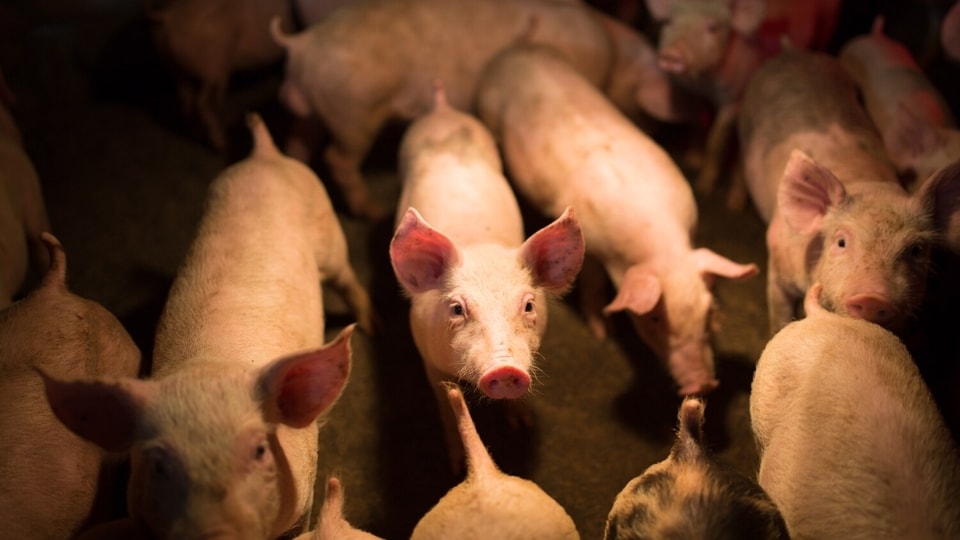
Introduced to New Zealand in the 18th century, pigs spread through trade and established wild populations. Research in South Fiordland found repeated soil disturbance and predation on stag beetles, but little effect on seedling growth or soil microbes. Researchers say more study is needed to assess risks to native animals. (Wikimedia Commons)

De Surville presented two pigs to Māori in Doubtless Bay in 1769, according to Hazel Petrie’s Te Ara article on introduced foods. Petrie explains that Māori quickly adapted to foods introduced by Europeans and shared the animals they received with other tribes. However, Walrond notes that what happened to the first pigs is unknown. Pigs later reproduced, and some escaped to establish feral populations. These feral pigs became known as Captain Cookers, although Petrie notes that at least some wild pigs in the South Island may have originated from Captain Cook’s voyages.

Gift turns into currency

More pigs arrived. Governor Philip King of Norfolk Island gave 12 pigs to Tukitahua, one of two chiefs who had been taken to the island. King also established a connection with another northern chief, Te Pahi, and arranged for 56 pigs to be transported to him on three ships between 1804 and 1805. Pigs soon became valuable trading goods. From 1805, Māori traded pigs with Europeans, and Te Ara notes that in the 1840s, a horse cost 40 pigs, while one schooner cost Bay of Plenty Māori 500 pigs.

Feral herds emerged alongside the trade. According to Walrond, wild pigs had become well established by 1840 and were the first introduced animals to be hunted for sport. In the late 19th century, Australians referred to New Zealand as the “Pig Islands” because of the prevalence of pigs. Hunting continued, and Te Ara’s broader history of hunting recognizes at least 25,000 pig hunters in the country.

How pigs affected the forest

In a 2015 study published in the New Zealand Journal of Ecology, researchers led by John Parkes spent 25 months studying soil, seedlings and the stomach contents of 14 pigs killed by hunters in Waitutu Forest in South Fiordland. Pigs overturned 7.4% to 12.4% of the soil in the forest terraces at any given time. The animals also returned to the same areas repeatedly, digging up older disturbed areas about seven times more often than newly disturbed areas. Stag beetles were the main target of their digging and made up 27% of the pigs’ food.

The team expected to find clear ecological harm but did not. Seedlings in dug-up patches were shorter, but the authors attributed this to pigs selecting those areas rather than to digging stunting the seedlings. Seedling numbers increased at similar rates in dug and undisturbed plots over two years, and most measures of soil microbes showed no significant differences. Parkes and colleagues concluded that the effects on seedling regeneration and soil life were limited or neutral, and that pigs probably had less influence on the forest than other invasive herbivores such as red deer.

That does not mean pigs have no ecological effects. The study did not determine how ground disturbance and predation affected populations of animals the pigs preyed on, such as stag beetles, and said those effects required further investigation. Five other stag beetle species are listed as nationally critical or nationally endangered, while earlier studies have suggested that pigs threaten some native invertebrates, including Powelliphanta snails. The paper said more research would be needed to assess whether those impacts justify controlling pig numbers.

The name “Pig Islands” reflects the prevalence of wild pigs in New Zealand, but the Waitutu study shows that their effects can vary by ecosystem. At the site studied, pigs disturbed forest soil and preyed on native animals, while their effects on seedling regeneration and soil life were limited, leaving their wider ecological impact for further study.


Share This Article
Facebook Email Copy Link Print
Previous Article Trade Is Frozen, H-1B Is Tightening, Musk Is Taking On Ambani: What Is Happening Between India And The US?
Next Article Was Nana Patekar Murdered? Panaji Police Register Unnatural Death Case, Probe Underway
Leave a Comment Leave a Comment

Leave a Reply Cancel reply

Your email address will not be published. Required fields are marked *

You Might Also Like

BusinessLifestyleStartup

Delhiwale: In healer we trust

In the intense heat of summer, people look for relief…

4 Min Read
BusinessLifestyleStartup

Jalandhar: ED’s three-day raids at Ashok Mittal’s properties conclude

The Enforcement Directorate (ED) concluded its searches at the residential…

2 Min Read
BusinessLifestyleStartup

Haryana revises retirement housing policy, raises FAR to 3.0: What it means for real estate developers, homebuyers

The Haryana Cabinet has approved a key amendment to the…

7 Min Read
BusinessLifestyleStartup

Who is Thomas Ryan Rousseau? Patriot Front founder seen at July 4 march in Washington, D.C.

Thomas Ryan Rousseau is the founder and leader of Patriot…

4 Min Read
Next India MagazineNext India Magazine
Follow US
© 2026 Next India Magazine powered by India Times Now. All Rights Reserved.
Welcome Back!

Sign in to your account

Username or Email Address
Password

Lost your password?