


India
oi-Swastika Sruti

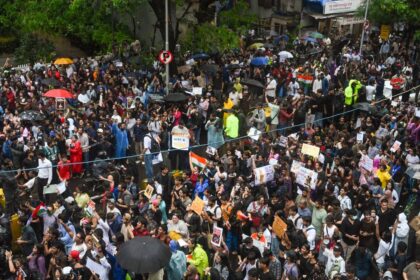
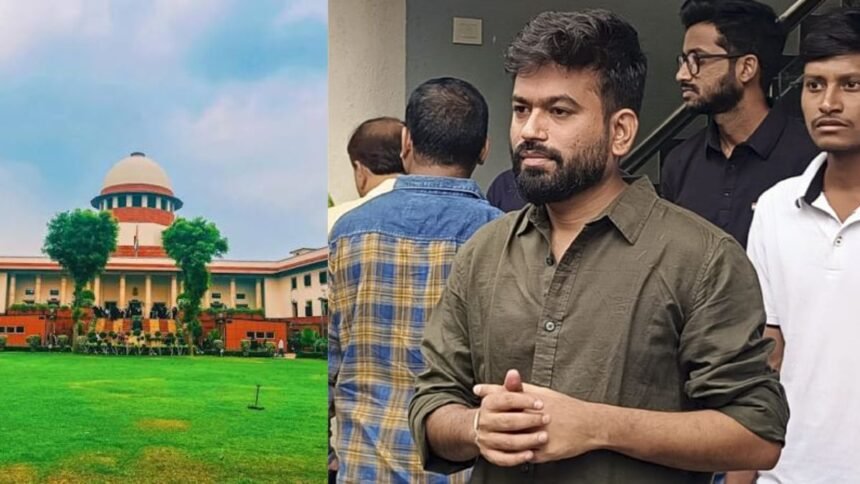
Delhi Metro and Railway service restrictions have come under scrutiny by the Supreme Court of India, especially regarding the planned protest by the Cockroach Janta Party (CJP) at Jantar Mantar on October 10.

The Supreme Court of India reviewed Delhi Metro and Railway restrictions for a planned CJP protest, ruling public transport must not be completely shut down and urging authorities to balance security needs with commuter convenience, also suggesting an alternative venue for large protests.
The Supreme Court of India was concerned about the closure of 57 Metro stations for security reasons, stressing that security measures should not disrupt public transport systems and create difficulties for regular commuters.
The reason why CJP is organizing the protest is the “vote theft” allegations against the Chief Election Commissioner, Gyanesh Kumar.
Supreme Court Says Public Transport Cannot Be Completely Shut Down
The Bench headed by the Chief Justice of India, Surya Kant reportedly stated that restrictions on Metro and Railway transportation should be reconsidered. .
Security can be taken care of; however, transport must take place under regulation wherever possible,” observed the bench.
“The Bench further observed that the authorities need to ensure barricades, affected routes, and the transport that will run needs to be made clear to citizens,” said the report.
“This is because millions of citizens rely on these modes of transport to reach their destinations for work such as those from Gurugram, East and South Delhi.”
Justice Joymalya Bagchi insisted that road transport facilities should also remain operational.
Centre Defends Security Restrictions
Solicitor General Tushar Mehta, appearing for the Centre, cited security concerns behind the restrictions.
He told the court that police had originally given permission for a protest on June 20 for one day, but the protesters allegedly continued their sit-in for 17 days.
Mehta also alleged that protesters had attempted to march towards Parliament during the earlier demonstration.
According to the Solicitor General, more than 200 police personnel were injured while preventing protesters from entering Parliament. He also alleged that women police personnel were subjected to inappropriate behaviour during the protests.
Mehta argued that restrictions were necessary to maintain public safety. He also said that claims that the entire national capital had been shut down were incorrect, stating that restrictions on internet services were limited to specific areas.
The Solicitor General assured the bench that he would take up the court’s concerns regarding public transport with the government and other authorities.
Supreme Court Suggests Alternative Venue
The court also raised concerns about Jantar Mantar as the venue for a large demonstration.
Chief Justice Surya Kant said the location has geographical limitations and that the available space is relatively small. The court suggested that authorities consider an alternative location for a large protest.
The bench observed that inadequate space could create practical problems for protesters, including access to food, sanitation and ambulances.
The court’s concern was not limited to the protesters. It also stressed that ordinary residents should receive adequate information about traffic restrictions, barricades and alternative routes.
Court Clarifies It Is Not Examining Protest Merits
The Supreme Court clarified that its immediate concern was public inconvenience caused by restrictions on transport, rather than the political or legal merits of the CJP’s protest.
The court noted that no protest organiser had appeared before the bench to present the organisers’ position. Senior lawyers present during the hearing also clarified that they were not representing the organisers.
Advocate Vrinda Grover said she was appearing in her capacity as a citizen and raised concerns about people being warned against attending the demonstration.
The bench, however, focused on the impact of the restrictions on the general public.
Railway Services Also Hit
The court was informed that restrictions had also affected railway operations from New Delhi and Hazrat Nizamuddin railway stations.
The bench took note of orders concerning Metro and railway services, including an earlier order issued in August under Section 163 of the Bharatiya Nagarik Suraksha Sanhita (BNSS).
The Supreme Court asked the authorities to reconsider any complete shutdown and instead explore controlled arrangements that can address security concerns while allowing commuters to continue using public transport.
Court Seeks Balance Between Security And Public Convenience
The Supreme Court’s observations underline the need to balance security arrangements with the everyday needs of Delhi’s residents.
The court said restrictions should be proportionate to the prevailing situation and that traffic movement must continue.
The hearing also included discussion of a high-powered committee constituted to examine issues linked to the July protests. The court was informed that the committee had started its work but required certain facilities.