



International
oi-Madhuri Adnal

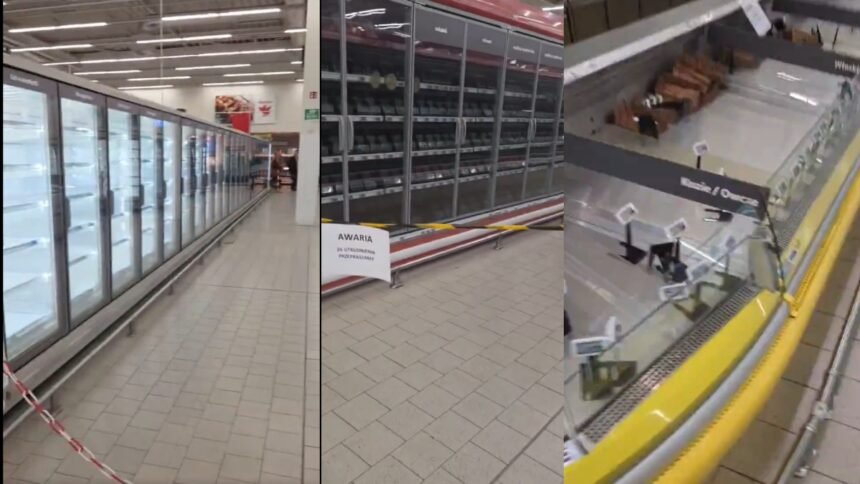
Supermarkets in four European countries have been hit by a suspected cyberattack that targeted their refrigeration systems, forcing several outlets to throw away food after the temperatures of refrigerators and freezers were remotely increased.
The incident affected stores in Belgium, Sweden, Ireland and Estonia, with major supermarket chains including Delhaize, Carrefour, ICA, Coop and SuperValu reporting problems. Some stores had to temporarily close while others took steps to prevent further food losses.
A cyberattack targeting refrigeration systems hit supermarkets in Belgium, Sweden, Ireland, and Estonia, including Delhaize and Carrefour, causing food waste and closures due to increased temperatures, which a European Commissioner called a deliberate disruption.

European Commissioner for Agriculture and Food Christophe Hansen described the incident as a “deliberate attempt to disrupt” the European Union’s food supply and weaken consumer confidence.
He said there was no immediate threat to food security, but pointed out that the food waste and financial losses faced by businesses were real.
Belgium was among the worst-affected countries. Around 40 Delhaize outlets and 15 Carrefour stores reported problems with their refrigeration systems.
In some cases, the temperature settings of refrigerators were reportedly changed to as high as 70 degrees Celsius. Local media reports said one Delhaize store alone had to discard food worth around €100,000.
Carrefour Belgium spokesperson Mich Vergauwen confirmed that the company was dealing with a cyberattack, saying there was no other explanation for the incident. He added that the impact was limited to 15 stores and that the company had acted quickly to keep them operational.
Delhaize also confirmed an IT incident involving refrigeration systems at several dozen stores. A company spokesperson said immediate steps were taken to ensure that outlets could continue functioning.
The disruption was not limited to Belgium. Several ICA supermarkets in Sweden also reported problems after their refrigeration systems were accessed remotely.
One store in Sjöbo, in southern Sweden, said its refrigerators and freezers had been hacked overnight, with temperatures changed to 50 degrees Celsius. The store temporarily shut before reopening.
An ICA spokesperson said only a small number of stores operating outside the company’s central network had been affected. The company was helping the outlets deal with the situation.
Seven of Coop’s 800 stores in Sweden also reported problems. The retailer told the BBC that the situation was under control.
In Ireland, supermarket group Musgrave confirmed that 13 SuperValu stores had been affected by a suspected cyberattack.
Estonia also reported an incident at a Selver supermarket, where a hacker accessed a computer controlling its refrigeration system and changed a freezer setting to 50 degrees Celsius above zero. The problem was detected within minutes, and the retailer said no food products were damaged.
Meanwhile, in Luxembourg, Delhaize temporarily suspended its ordering systems as a precaution.
The losses from the incident are still being assessed. However, the amount of food discarded at individual outlets suggests that the financial impact could be substantial.
Belgian refrigeration installer Sabcobel said it had identified around 20 affected units among the hundreds it manages across the country.
Its chief executive, Stephan Moelans, said the latest incident appeared to follow the same method used in a cyberattack on French supermarkets in October.
On October 12, hundreds of supermarkets in France belonging to the Intermarché and Coopérative U chains were affected by a similar attack. Their refrigeration systems were targeted, causing temperatures to rise and food to spoil.
Moelans said refrigeration companies had been working to address the security weakness since the French incident. However, he cautioned that updating software alone would not be sufficient and that physical changes to the systems were also needed.
He suggested using secure internet connections to manage refrigeration units as a way to improve protection.
The identity of those behind the latest attacks has not yet been established. Cybersecurity agencies in Belgium and Sweden are monitoring the situation.