


Artificial Intelligence
oi-Gaurav Sharma

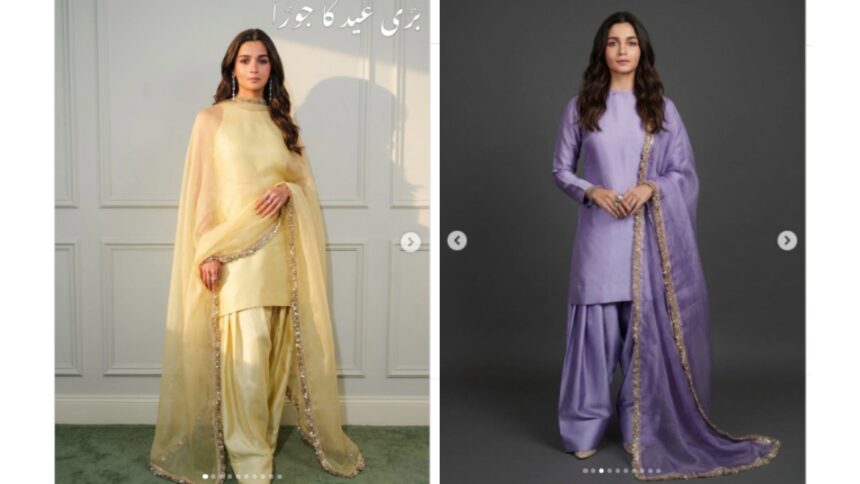
AI-generated images of Alia Bhatt have gone viral after a Pakistani clothing brand used them to promote its collection, triggering a wave of online backlash and raising fresh concerns over AI misuse.
The visuals, which show Bhatt seemingly modelling sarees and salwar suits, are not from any real campaign. They were created by digitally altering her original photos using artificial intelligence, making the edits appear highly realistic. The brand’s caption suggesting that the actor “likes” the collection further amplified confusion, with many initially mistaking the images for an official endorsement.
A Pakistani clothing brand faced backlash for using realistic AI-generated images of Alia Bhatt modelling their collection, sparking debate over the unauthorized use of celebrity likeness and ethical AI marketing practices.
As the posts spread, users quickly flagged them as AI-generated, calling out the brand for using a celebrity’s likeness without consent. Terms like “fake AI marketing” and “deepfake promotion” dominated the reactions, with some warning of potential legal consequences. The controversy gained traction as more people pointed to how convincingly AI can now recreate public figures in fabricated scenarios.

Despite the criticism, the brand continued to engage with comments, appearing unfazed by the backlash and even encouraging the content to go viral. Its responses only added to the debate around ethical boundaries in AI-driven advertising.
So far, there has been no official reaction from Alia Bhatt or her team.
The incident once again highlights the growing challenge posed by AI-generated content, where the line between real and fabricated imagery is becoming increasingly blurred-especially when it involves well-known public figures.