Bengaluru
oi-Madhuri Adnal

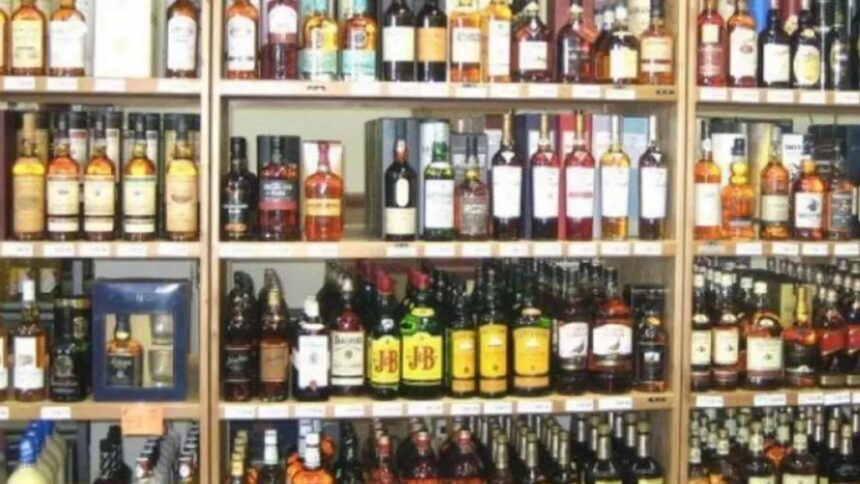
Alcohol prices in Karnataka could soon see a significant reset, with the state government proposing a new taxation system that links excise duty directly to alcohol strength. If implemented, stronger beverages are expected to become more expensive, while lower-strength drinks could turn relatively cheaper, altering how consumers experience pricing across categories.
The move marks a clear departure from the current maximum retail price (MRP)-based taxation model. Instead, the government is shifting towards a structure based on alcohol by volume (ABV) per litre, placing product strength at the centre of pricing.
Karnataka is proposing a new alcohol taxation system based on alcohol strength (ABV) per litre, moving away from the MRP model; stronger beverages may become more expensive as excise duty is directly linked to ABV, with revised tax slabs awaiting public feedback.
Excise Commissioner R Venkatesh Kumar said Karnataka would be the first state to fully adopt alcohol content-based taxation, signalling a major policy shift in how liquor is priced and regulated.

How The New Karnataka Liquor Tax System Will Work
Under the draft framework, excise duty will be calculated based on the amount of pure alcohol in a product. This means a higher-ABV whisky will attract more tax than a lower-strength variant within the same brand category.
The base duty of ₹1,000 per litre of pure alcohol will remain unchanged. However, additional excise duty will be adjusted through revised slabs, which the government will finalise after stakeholder consultations.
Excise Minister R B Timmapur confirmed that the draft notification, issued under the Karnataka Excise Act, 1965, has been opened for public objections and suggestions for seven days. The final structure will be decided after reviewing industry feedback and assessing revenue implications.
Fewer Tax Slabs, Wider Price Impact
The proposed system simplifies the existing structure by reducing additional excise duty slabs for spirits from 16 to eight. These slabs will range from ₹50 per litre of pure alcohol at the lower end to ₹3,700 for premium products priced above ₹5,000.
For beer, the additional duty bands are set between ₹800 and ₹2,700.
While concessional excise benefits for defence and paramilitary canteens will continue, the broader market could see uneven pricing shifts depending on alcohol strength and product positioning.
Who Gains, Who Loses?
Industry players expect mixed outcomes across segments. Lower-priced liquor categories could see price increases of around 15-20 per cent, while premium segments may witness marginal corrections depending on how ABV-linked pricing plays out.
Alcohol strength is expected to become the defining factor. In India, whisky typically ranges between 36% and 50% ABV, while beer falls between 4% and 8%. Premium imported spirits and certain Indian single malts often exceed 50% ABV, placing them at higher tax exposure under the new system.
Brokerage insights suggest the shift could accelerate premiumisation in the long term. If price gaps narrow between regular and premium labels, consumers may gradually move towards higher-value products across whisky, gin, vodka, rum and brandy categories.
Market Reaction Signals Optimism
Equity markets reacted quickly to the proposed changes. Shares of Radico Khaitan rose 5.6 per cent, United Breweries gained 3.4 per cent, and Tilaknagar Industries climbed 4.2 per cent in intraday trading, as investors assessed the potential impact on margins and product mix.
With Karnataka placing alcohol content at the core of its taxation policy, the biggest impact is likely to be felt by high-strength beverages. However, final rates are yet to be locked in.
The government will now review feedback from stakeholders before issuing the final notification. Until then, producers, retailers and consumers remain on watch, as the state prepares for one of its most significant shifts in liquor taxation policy.