


India
oi-Swastika Sruti

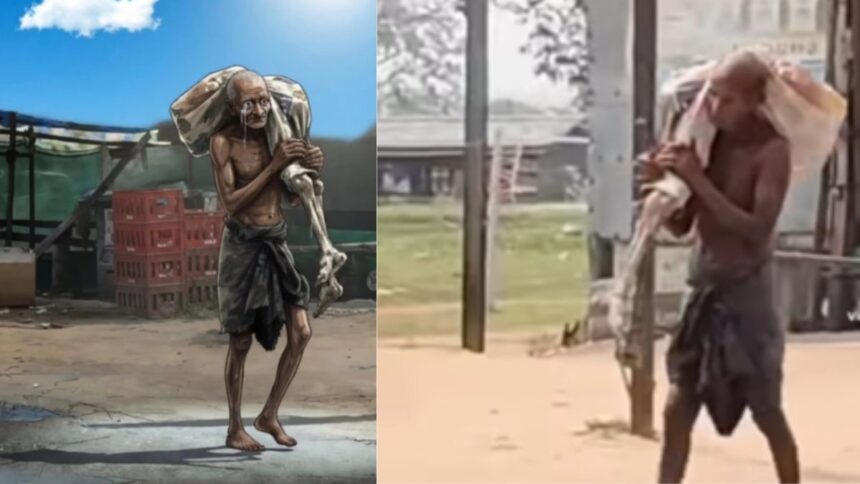
A shocking incident from Keonjhar district in Odisha has triggered widespread anger and debate over the treatment of rural citizens by institutions. A tribal man reportedly carried his sister’s exhumed skeleton to a bank to prove her death and withdraw money from her account.

In Keonjhar, Odisha, tribal man Jeetu Munda brought his late sister’s exhumed skeleton to an Odisha Grameen Bank branch purportedly to prove her death for account withdrawal, prompting intervention by police and the district administration, which provided financial aid and facilitated account access.
The incident, which took place at a branch of Odisha Grameen Bank, has gone viral on social media and raised serious questions about awareness, procedures, and empathy in rural banking.
What Led to the Incident
Jeetu Munda, a resident of Dianali village, wanted to withdraw ₹19,300 from his late sister’s bank account. His sister, Kalra Munda, had passed away, but Jeetu claimed that bank officials repeatedly asked him to bring her in person for the withdrawal.
Frustrated and unable to understand the formal process, the 50-year-old man dug up his sister’s remains and carried the skeleton to the bank as proof of her death.
The disturbing act shocked both bank staff and locals, prompting officials to immediately call the police.
Police Intervention and Immediate Action
After reaching the spot, police intervened and ensured that the remains were respectfully taken back and reburied. Officials confirmed that Jeetu Munda had limited awareness of legal procedures and was unaware of concepts like nominees or legal heirs.
The situation highlighted a gap in communication between authorities and citizens, especially in rural areas where literacy levels are low.
Bank Responds to the Controversy
Following public outrage, the bank’s parent institution, Indian Overseas Bank (IOB), issued a clarification. The bank stated that its officials had not asked for the physical presence of the deceased. Instead, they had requested standard documents such as a death certificate, which are required under banking rules for third-party withdrawals.
According to the bank, Jeetu Munda visited the branch without proper documents and was informed about the procedure. However, the situation escalated when he later returned with the remains.
Political Reactions and Criticism
The incident quickly turned into a political issue. Odisha minister Suresh Pujari criticised the lack of a “humanitarian approach” and promised strict action against those responsible.
Opposition parties also attacked the state government, calling the incident an example of administrative failure. Manas Ranjan Mangaraj of the BJD termed it a sign of “insensitivity in rural banking” and urged reforms to make procedures simpler and more humane.
Administration Steps In to Help
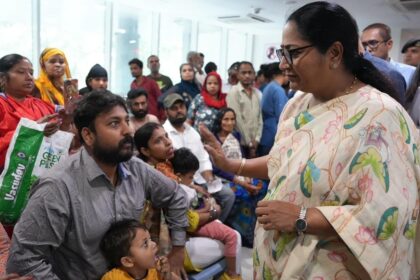
Amid growing criticism, the district administration stepped in to support Jeetu Munda.
He was given ₹30,000 as immediate financial assistance from the Red Cross Fund
Authorities ensured that he received the money from his sister’s account, including interest
Officials also helped initiate the process of obtaining a death certificate
The administration said it prioritised humanity over strict procedures in handling the situation.
Underlying Issues Highlighted
This incident has brought attention to several important issues:
- Lack of awareness: Many rural citizens are unaware of banking rules and legal requirements
- Communication gap: Officials often fail to explain procedures in a simple and clear way
- Need for empathy: Strict adherence to rules without understanding human situations can lead to distress
Experts believe that better awareness programs and simpler procedures could prevent such incidents in the future.
The shocking incident in Keonjhar district is more than just an isolated case-it reflects deeper challenges in accessing basic services in rural India. While rules are necessary, the incident shows the importance of empathy, communication, and support for vulnerable communities.
As investigations continue, the focus remains on ensuring accountability and preventing such distressing situations from happening again.