



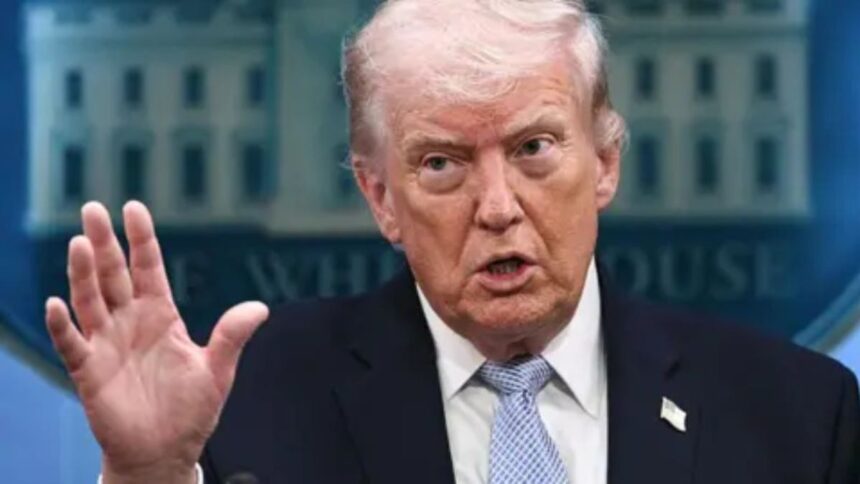
High level discussions in Islamabad focus on unlocking Iran’s frozen assets and securing safe shipping through the Strait of Hormuz, linking financial relief to regional security and energy routes. The talks assess potential steps toward sanctions relief and easing access to funds.
International
-Swastika Sruti

High-level talks between the United States and Iran in Islamabad are centring on money and security, with Tehran pushing hard for access to billions locked abroad. The future of Iran’s frozen assets, and how that links to safe shipping through the Strait of Hormuz, is emerging as a key test for any broader understanding between the two sides.

High-level US-Iran talks in Islamabad focus on Tehran’s demand for access to over $100 billion in frozen international assets, reportedly linked by Iran to securing safe passage through the Strait of Hormuz, with official US confirmation pending.
A senior Iranian source told Reuters that Washington has agreed in principle to release part of Tehran’s frozen funds held in Qatar and other foreign banks. The source, who spoke anonymously due to the sensitivity, described the reported move as a sign of “seriousness” in the Islamabad talks, although the United States has not publicly confirmed any such decision.
Iran’s frozen assets and the link to the Strait of Hormuz
According to the same Iranian source, any release of frozen assets would be tied directly to shipping security. Tehran is seeking assurances over safe passage through the Strait of Hormuz, a vital maritime choke point for global oil flows. That linkage is expected to dominate the Islamabad discussions, where both economic pressure and regional risks are on the table.
Iran has made access to frozen assets a central demand as contacts with US officials continue in Islamabad. Negotiators from Tehran want Washington to unlock several billions held in overseas accounts and also move towards easing US sanctions. These talks are aimed at reducing tensions while addressing wider regional issues, including energy routes and financial restrictions.
Scale of Iran’s frozen assets and economic pressure
Iran’s frozen assets are estimated at more than $100 billion worldwide, though no precise figure is available. The funds sit in banks across South Korea, Japan, China, India, Turkey, Germany, the UAE and Qatar. Many of these reserves come from oil sales and foreign currency holdings that Iran has been unable to fully access due to sanctions.
Years of financial restrictions have hit Iran’s economy hard, cutting access to foreign currency and undermining the rial. Price pressures have soared as a result. Official data released earlier this year put inflation above 60 per cent, one of the highest rates Iran has seen in decades, adding urgency to Tehran’s push to free frozen assets.
| Item | Detail |
|---|---|
| Estimated total of Iran’s frozen assets | Over $100 billion |
| Main locations of Iran’s frozen assets | South Korea, Japan, China, India, Turkey, Germany, UAE, Qatar |
| Reported inflation rate in Iran (earlier this year) | Above 60 per cent |
| Previous transfer for humanitarian use | $6 billion from South Korea to restricted accounts in Qatar in 2023 |
History of Iran’s frozen assets and past access deals
The dispute over Iran’s frozen assets stretches back to 1979, when the United States first blocked Iranian holdings during the Islamic Revolution and the US embassy hostage crisis. Some of those assets were later released under the 1981 Algiers Accords, but further sanctions linked to nuclear and missile programmes increased the amount of restricted funds over many years.
Washington has used sanctions to limit Iran’s access to the global financial system and to foreign reserves. At times, the United States has allowed partial access under strict conditions. In 2023, about $6 billion in Iranian oil revenues previously frozen in South Korea moved to controlled accounts in Qatar, where the money could only be spent on humanitarian goods such as food and medicine.
There is also earlier experience of large-scale unfreezing of Iran’s frozen assets. Under the 2015 nuclear deal, known as the Joint Comprehensive Plan of Action (JCPOA), Tehran regained access to more than $100 billion in restricted funds in return for limits on its nuclear activities. That opening narrowed after US President Donald Trump exited the JCPOA in 2018 and reimposed extensive sanctions, which again left many assets effectively blocked.
Analysts watching the Islamabad talks say Iran is likely to connect any fresh release of frozen assets with wider demands. These include relief from US sanctions and security guarantees linked to regional arrangements, especially around the Strait of Hormuz. Reports suggest Washington may be weighing limited steps on funds held in Qatar and other locations, but no official statement has been issued so far.
With both economic strain and regional security at stake, the handling of Iran’s frozen assets is expected to heavily influence whether the Islamabad discussions yield any concrete understanding. The decisions on unfreezing money, shipping safety and possible sanctions relief will help show how far Washington and Tehran are ready to move at this stage.
-
Islamabad Sealed Ahead Of US-Iran Peace Talks, But Iran’s Presence Still In Doubt
-
How US Pushed Pakistan For a Deal With Iran Over Oil Price Concerns
-
Opinion: How Pakistan’s Iran ‘Peace Card’ Could Turn Into Anti-India Leverage
-
Afghanistan, Pakistan Held ‘Useful’ Peace Talks, Kabul Says
-
Artemis II Astronauts Lands on Earth After 10-Day Journey to Moon, Splash Down In Pacific Ocean
-
US Will Not Allow Iran To Impose Tolls On Strait of Hormuz: Donald Trump
-
Gold Silver Rate Today, 9 April 2026: City-Wise Prices Surge As MCX Gold, Silver Spike After US-Iran Ceasefire
-

Crude Oil Price Today – April 10: Brent Crude Slips; Track WTI, Urals, OPEC Basket, Dubai Crude Oil Rates
-
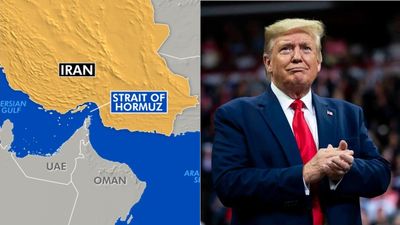
‘Oil Will Flow, With or Without Iran’: Trump Warns Tehran Over Strait of Hormuz Toll Report
-
Inside The Iran-Russia-China Weapons Axis That Trump’s 50% Tariffs or Sanctions Can’t Break
-
Why Is JD Vance Heading To Pakistan? Key Reasons Behind The Visit And What It Means For US–South Asia Relation
-
Trump Says US Forces Will Stay Near Iran Until ‘Real Agreement’ Is Fully Honoured