



India
oi-Swastika Sruti

May 2 is not just another date in history. It is a day that brings back memories of Sarabjit Singh- a man whose life became a symbol of suffering, resilience, and the long wait for justice.

Sarabjit Singh, an Indian farmer arrested in Pakistan in 1990 and accused of bombing, died on May 2, 2013, after being attacked in Lahore’s Kot Lakhpat Jail, his case becoming a symbol of human endurance and the wait for justice.
His death inside a Pakistani jail in 2013 continues to stir emotions across India, especially in his hometown of Bhikhiwind in Punjab.
A Farmer’s Life That Took a Tragic Turn
Sarabjit Singh was not a public figure or a political personality. He was a simple farmer from a village near the India-Pakistan border. Known for his love for wrestling and pigeons, he lived an ordinary life until one night changed everything.
According to his family, Sarabjit accidentally crossed the border in 1990, reportedly after losing his way. What followed was a nightmare that lasted more than two decades.
He was arrested by Pakistan Rangers and later accused of involvement in bomb blasts in Lahore. His family always maintained that it was a case of mistaken identity, claiming he was wrongly identified as “Manjit Singh” due to lack of proper documents.
Years of Silence and a Family’s Endless Wait
For months after his arrest, Sarabjit’s family had no information about his whereabouts. It was only after nearly a year that a letter reached them, revealing that he had been convicted and sentenced to death.
His sister, Dalbir Kaur, became the face of his fight for justice. She knocked on every possible door, filed petitions, and appealed to governments and international organisations.
Despite multiple mercy petitions, including one supported by over 100,000 signatures, no relief came for Sarabjit.
A Ray of Hope That Faded
In 2012, there was a brief moment of hope when Pakistan’s then President commuted his death sentence to life imprisonment. For the family, it felt like the beginning of his return home.
But that hope was short-lived.
On April 26, 2013, Sarabjit was brutally attacked inside Lahore’s Kot Lakhpat Jail by fellow inmates. He suffered severe injuries, including a fractured skull and spine. Six days later, on May 2, he passed away.
His death left behind not just grief, but also unanswered questions about safety, justice, and humanity.
A Story That Touched Millions
Sarabjit’s life story went beyond borders. It became a powerful reminder of the human cost of political conflict. His family’s pain, especially his sister’s relentless fight, moved people across nations.
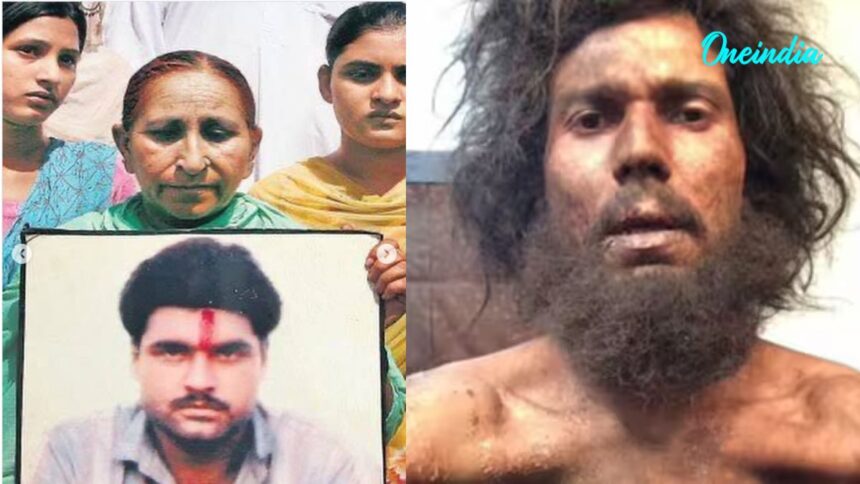
His story was later brought to the big screen in the film Sarabjit, where Randeep Hooda played the lead role. The film highlighted not just his suffering, but also the emotional strength of his family.
Randeep Hooda’s Emotional Tribute
On Sarabjit Singh’s death anniversary, actor Randeep Hooda shared a deeply moving message, reflecting how the story changed him not just as an actor, but as a person.
He wrote:
“Dear Sarabjit,
Your story changed me.
What began as preparing for a film, became something much deeper. Through you, I felt pain, silence, courage, and hope.
Being you taught me the true meaning of freedom, loss, and the strength of a family that never stopped believing.
Since then, we have also lost, the sister who fought for you with the world, Dalbir Kaur ji and your wife, Sukhpreet ji. But your legacy lives on through your wonderful daughters, Swapandeep and Poonam, who today have families of their own and are living full, settled lives. In that, perhaps, there is a quiet kind of peace, something every family that has endured pain deserves.
Years have passed, but your story still stays with me.
Some characters leave when the film ends. You never did.
Remembering you today with respect and a heavy heart.
You will never be forgotten.
Om Shanti 🙏🏻”
His words captured a quiet truth-that while the pain never fully fades, life finds a way to move forward.
A Bond Beyond Cinema
During the making of the film, Randeep Hooda developed a close bond with Dalbir Kaur. She once told him that she saw her brother in him and made a heartfelt request-that he should shoulder her funeral when the time came.
Years later, Hooda fulfilled that promise, attending her last rites after she passed away due to a heart attack. It was a rare moment where reel life turned into real-life emotion and responsibility.
A Legacy That Lives On
Today, Sarabjit Singh is remembered not just as a victim, but as a symbol of human endurance. His story continues to raise questions about justice, diplomacy, and the value of human life.
For his family, the loss is personal and permanent. For the country, it remains a reminder of a painful chapter in India-Pakistan relations.
The death anniversary of Sarabjit Singh is not just about remembering a tragedy-it is about remembering a life that should not have ended the way it did.
It is a story of a man who never returned home, a sister who never gave up, and a nation that continues to ask – what could have been done differently?
As years pass, his story still lives on-in memories, in cinema, and in the hearts of those who believe in justice and humanity.