



Business
oi-Madhuri Adnal

The Reserve Bank of India (RBI) on Wednesday kept the repo rate unchanged at 5.25 per cent after the Monetary Policy Committee (MPC) unanimously voted to maintain the policy stance as neutral. The decision comes at a time when the central bank is balancing inflation risks with the need to support economic growth.
Alongside the repo rate, the RBI also retained the Standing Deposit Facility (SDF) rate at 5 per cent, while the Marginal Standing Facility (MSF) rate and the bank rate remain at 5.5 per cent.
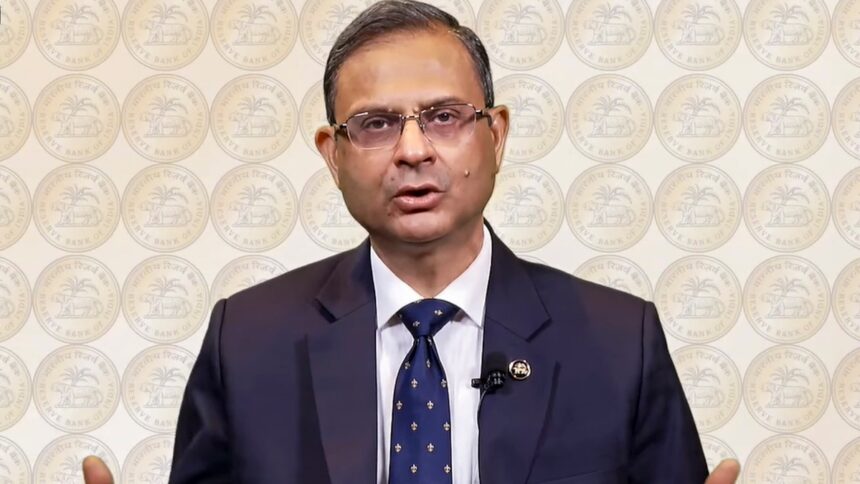
The Reserve Bank of India (RBI) maintained the repo rate at 5.25% and kept its policy stance neutral. Governor Sanjay Malhotra noted inflation risks from crude oil, trimming the FY27 inflation forecast to 5% while raising the real GDP growth estimate to 6.7%.

Addressing the media after the three-day policy meeting, RBI Governor Sanjay Malhotra said the re-escalation of the West Asia conflict since the first week of July has amplified volatility in energy prices.
The central bank trimmed its retail inflation forecast for FY27 to 5 per cent from 5.1 per cent projected earlier. At the same time, it raised India’s real GDP growth estimate for the financial year to 6.7 per cent from 6.6 per cent.
The RBI last changed the repo rate on December 5, 2025, lowering it by 25 basis points to 5.25 per cent as inflation cooled sharply and the rupee remained under pressure.
What is the repo rate?
The repo rate is the interest rate at which banks borrow short-term funds from the RBI by pledging government securities. It serves as the central bank’s main tool to influence borrowing costs across the economy.
Why does the RBI change it?
The RBI uses the repo rate to keep inflation under control without hurting economic growth. When inflation rises too quickly, the central bank may increase the repo rate to make borrowing more expensive and slow demand. When growth weakens, it can lower the rate to encourage banks to lend more and consumers and businesses to borrow.
What does it mean for borrowers?
For people with floating-rate loans, the repo rate has a direct bearing on borrowing costs. A rate cut usually gives banks room to reduce lending rates, which can lower monthly EMIs. On the other hand, when the repo rate goes up, loan interest rates generally rise, increasing EMIs or extending the repayment period if borrowers choose to keep their monthly instalments unchanged.
Which loans are affected the most?
Floating-rate home loans typically see the quickest impact because they are directly linked to benchmark lending rates. Auto, personal and MSME loans may also become cheaper or more expensive over time, depending on how banks adjust their lending rates after an RBI policy move.
What about fixed deposits?
Changes in the repo rate can also influence returns on savings. Higher policy rates often prompt banks to raise interest rates on fixed and recurring deposits to attract more deposits. When rates are lowered, deposit returns usually soften as banks pass on the benefit of cheaper funds.