



India
oi-Ashish Rana

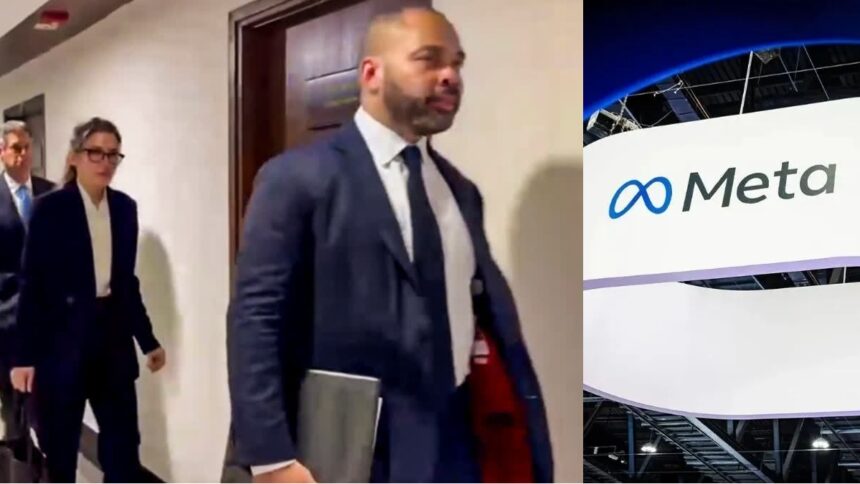
The government has given directive to Meta and its platforms in India must operate with the country’s legal policies and they can’t rely on global content policies. This decision has taken after several rounds of discussions with the Ministry of Electronics and Information Technology (MeitY). However, the officials has clarified that it will be difficult to say that if government has ordered Meta to “completely overhaul its algorithm”.
What The Government Wants From Meta
The government sources that the meeting was more on discussing on making Meta content policies, moderation systems and platform guidelines that matches Indian law. Officials also confirmed that the aim of the meeting was to secure measurable action from the company.
India’s government directed Meta platforms to operate under national legal policies, not global ones, following MeitY discussions on content moderation, CSAM, deepfakes, and algorithmic systems, requiring alignment with local context.
The government has also made sure that the meeting was necessary to understand India’s languages and cultural context. The government also tell them that the teams that are working outside India may not always correctly what local content and nuances are.
CSAM, Deepfakes Under Government Scrutiny
Child sexual abuse material (CSAM) has come up with the most discussed concern, while officials have confirmed that there can be “zero tolerance and zero compromise” on these content. The government has asked Meta to adopt much stronger and more proactive safeguards.

The government has asked for “human-in-the-loop” system in sensitive cases, where human team take reviews and assess the content before decisions have been taken.
Questions Over Meta’s Recommendation Algorithms
MeitY has also asked Meta how they recommend and make viral content. They were also asked why the users are being shown the unrelated content to their interests and why some of the content that have been removed continuous circulate.
Government’s concern is not just limited to removing the content but also examining whether Meta’s algorithm works for repeated visibility of harmful or misleading content.