


Artificial Intelligence
oi-Swastika Sruti

Social media is flooded with the AI trend that turns your photos into a vintage 80’s look. This is a new 80’s AI trend what started as a playful experiment with AI has now moved beyond influencers and celebrities, with public figures and politicians also joining the trend.

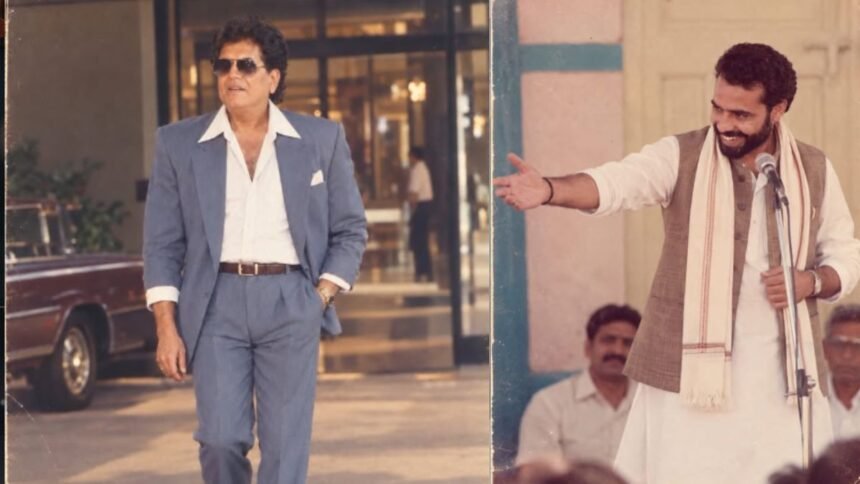
The popular 80s AI trend uses image-generating software to authentically recreate photos from the 1980s, altering scenes and attire beyond simple filters, and has been embraced by public figures including Minister Piyush Goyal.
Union Commerce and Industry Minister Piyush Goyal recently joined the craze, sharing an AI-generated 80s-style image with the caption, “Vibing to the 80s trend 😎.” His post quickly drew attention online, with users comparing his retro appearance to a Hindi-film hero.
Poet and former politician Kumar Vishwas has also been among the public figures associated with the trend online.
So, what exactly is this 80s trend, and why has it become so popular?
What Is the Viral 80s AI Trend?
This trend entails employing image-generating software to convert a contemporary photograph into one which looks like it was clicked during the era of the 1980s.
However, this process is more than just employing an outdated filter.
In addition to simply applying dated colors or a grainy appearance to the image, the AI can completely redesign the scene of the image.
From changing the clothing of the subject to even the lighting and the general style of photography while retaining the face of the individual, there are countless changes that the AI could make.
Why Does It Look Different From a Normal Vintage Filter?
A traditional vintage filter works mainly by changing the appearance of an existing photograph.
For example, it may:
- Fade the colours
- Add grain
- Reduce sharpness
- Give the picture a warm or yellowish tone
- Add scratches or an old-film effect
- The AI trend goes much further.
It can effectively ask: “What would this person have looked like if this photograph had actually been taken in the 1980s?“
That allows the tool to recreate the period instead of simply making a modern picture look old. The person may be given an 80s hairstyle, period clothing and accessories, while a modern background can be replaced with an older-looking setting.
From Instagram Users to Politicians
One factor behind the popularity of this trend is the fact that it has gone beyond the typical social media users. A post by Piyush Goyal is one such example of how popular this trend has become. The Union minister posted his own 80s-inspired makeover on social media and joined the viral trend himself.
This trend also explains the appeal of these pictures online. Instead of an AI-generated picture, people are seeing the pictures of their favorite political personality being placed into a whole new era visually.
For politicians, celebrities, and other public personalities, these kinds of posts present something very different from their political or promotional posts.
What Does an Indian 80s Look Actually Mean?
The trend becomes even more interesting when users give AI an Indian setting.
The 1980s had a very recognisable fashion and photography style in India. Depending on the prompt, users can ask for details such as:
- Colourful sarees
- Large statement jewellery
- Voluminous hairstyles
- Thick moustaches
- High-waisted trousers
- Retro shirts
- Bold spectacles
- Old-fashioned studio backgrounds
- Warm analogue lighting
The final image can be designed to resemble an old family album, Bollywood studio photograph, wedding portrait or magazine shoot.
This is what makes the trend more than a simple “make me look old” effect.
How to Create Your Own 80s AI Photo
Creating the image is relatively straightforward.
Start with a clear photograph where your face is visible. A selfie, portrait or well-lit photograph usually works better because the AI has clearer details to work with.
Upload the image to ChatGPT and describe the look you want.
A basic prompt could be:
“Transform this photo into a realistic 1980s photograph while keeping my face, facial structure, skin tone, expression and identity recognisable. Restyle my clothes, hairstyle and accessories to match authentic 1980s fashion. Use warm analogue lighting, subtle film grain, slightly faded colours, soft focus and natural skin texture. Make it look like the photograph was genuinely taken in the 1980s rather than simply applying a vintage filter.
Remove modern objects such as smartphones, contemporary cars and present-day clothing.“
The more details you provide, the more specific the result can become.
Want a Bollywood-Style 80s Picture?
This is where users can get creative.
Instead of simply asking for an “80s photograph”, the prompt can specify the type of image.
For example:
1980s Bollywood portrait:
Ask for a colourful studio background, dramatic lighting, period clothing and an old-film aesthetic.
Retro family photograph:
Ask for a simple indoor setting, traditional clothes, soft lighting and the slightly faded appearance of an old family album.
1980s wedding picture:
Add traditional Indian clothing, jewellery, flowers, studio lighting and an analogue-camera appearance.
Disco-era photograph:
Ask for brighter clothing, retro hairstyles, a dance-floor setting and dramatic lighting.
The possibilities are almost endless.
Why Are People So Drawn to the Trend?
The biggest attraction is probably nostalgia.
For people who grew up in the 1980s, the images can bring back memories of family photographs, old films and fashion from that period.
For younger users, the trend offers something different. It lets them imagine what they, their friends or even their parents might have looked like during that decade.
It also creates a sense of curiosity.