



India
oi-Madhuri Adnal

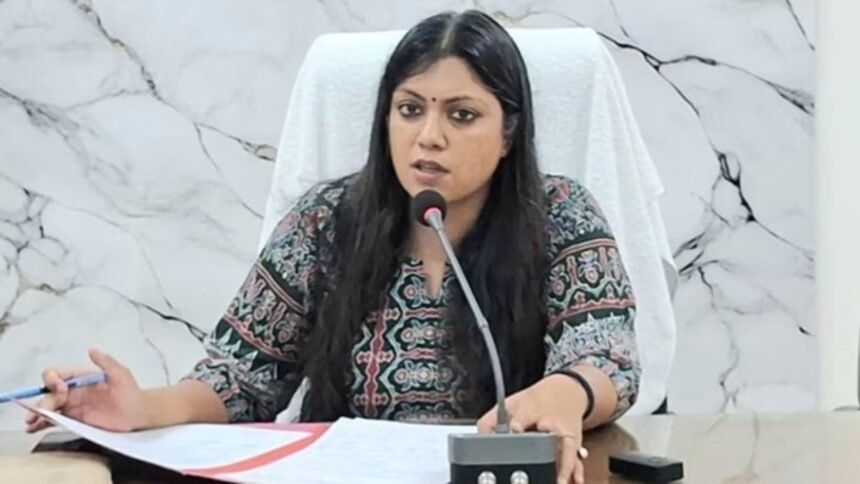
The Supreme Court’s handling of a plea filed by Noida District Magistrate Medha Roopam has come under scrutiny after the Lawyers Association for Constitution (LAFC) wrote to Chief Justice of India Surya Kant questioning the manner in which the matter was listed and heard.
According to a report by Bar & Bench, the lawyers’ body has raised concerns over what it described as the “out-of-turn” listing of the case before a special bench and the muting of the live proceedings during the hearing. The letter was also reported by The Leaflet.

Roopam, the Gautam Buddh Nagar district magistrate, is the daughter of Chief Election Commissioner Gyanesh Kumar.
The lawyers’ body has questioned why the matter was placed before a bench comprising Justices Satish Chandra Sharma and N Kotiswar Singh despite the prevailing roster, and why the video-conferencing feed was muted while the case was being heard. These are allegations and concerns raised by the association, rather than findings by the Supreme Court.
How The Noida DM Case Reached The Supreme Court
The controversy stems from an Allahabad High Court judgment concerning the detention of Delhi University student Akriti Chaudhary under the National Security Act.
The High Court had quashed Chaudhary’s detention and directed that Rs 5 lakh be paid to her as compensation, with the amount to be recovered from the salaries of officials held responsible, including Roopam.
The High Court had questioned the circumstances in which a notice requiring Chaudhary to furnish a bond for good behaviour was prepared. It noted that the general diary number mentioned in the notice appeared to indicate that the document had been prepared after Chaudhary was taken into custody.
The court described the process as “ex post facto the arrest” and questioned what it called the apparent fabrication of records.
Roopam subsequently approached the Supreme Court challenging the High Court’s directions.
On Thursday, the Supreme Court clarified the scope of an earlier interim order in the case. The bench of Justices Satish Chandra Sharma and N Kotiswar Singh said it had stayed the operation of the High Court’s strictures against the district magistrate and the direction relating to the Rs 5 lakh compensation, but had not stayed the High Court’s decision to quash Chaudhary’s detention. The court reserved its order on Roopam’s plea.
Why The Listing Has Become A Separate Issue
The LAFC’s objection is not about the merits of the original detention case alone.
Its letter focuses on how Roopam’s appeal came to be listed before the Supreme Court and how the hearing was conducted.
The association has described the listing as outside the ordinary roster and questioned the decision to mute the proceedings. It has argued that such practices raise concerns about transparency in the functioning of the court.
The issue has attracted additional attention because Roopam is the daughter of CEC Gyanesh Kumar, who is himself facing political scrutiny over the functioning of the Election Commission.
The CEC has come under renewed criticism following an investigation by The Indian Express that reported formal objections raised by Election Commissioners Sukhbir Singh Sandhu and Vivek Joshi.
According to the report, the two commissioners recorded objections at least 14 times over a 10-month period on decisions concerning electoral-roll management, including voter additions and deletions, restoration of names, Form 6 and access to voter data.
The Election Commission has maintained that differences during deliberations are part of its internal decision-making process and that key decisions, including those related to the Special Intensive Revision, were taken unanimously.
The report has nevertheless triggered a political controversy, with Opposition parties demanding action against Kumar. The developments surrounding the CEC are separate from the Supreme Court proceedings involving his daughter.