


India
oi-Ashish Rana

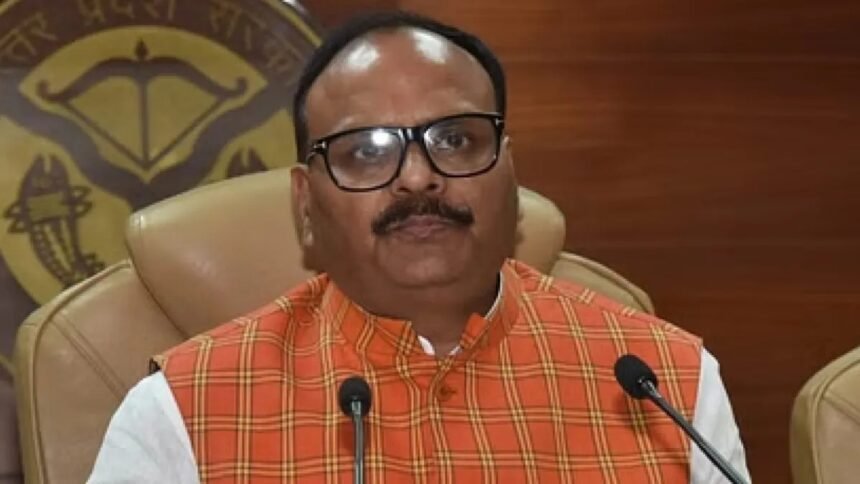
Uttar Pradesh Deputy CM Brajesh Pathak has come under controversy after his recent remark about employment and self-employment started a debate over what young people should except from the job market. While speaking at the launch of Bharat Taxi in Lucknow on 23 September, Brajesh Pathak said that youngsters should consider driving taxis or e-rickshaws instead of looking for jobs.

Uttar Pradesh Deputy CM Brajesh Pathak advised youth to pursue self-employment, like driving taxis or e-rickshaws, instead of seeking jobs, citing flexibility benefits during the Bharat Taxi launch in Lucknow on September 23. His remarks ignited a debate on the realities of driver earnings versus official advice.
Brajesh Pathak asks youth to consider self-employment
Pathak argued that driving a taxi can give people greater control over their working hours and spend time with their families.
“Don’t get caught up in the pursuit of a job. Drive for four hours, spend the afternoon with your children,” he said.
He also gave an example of drivers accepting rides to their near homes around 2 PM, taking a break to eat and spend time with their children, and then returning to their work later. According to Brajesh Pathak’s suggestions, they should continue working till 10 PM.
He also quoted the Hindi saying, “Paradhin sapnehu sukh nahi,” which means that there is no happiness in dependence on others.
Bharat Taxi promotes cooperative model
Pathak made the comments while promoting Bharat Taxi, a cooperative-led ride-hailing platform operated by Sahakar Taxi Cooperative Limited. Uttar Pradesh Chief Minister Yogi Adityanath launched the service in the state on 23 September.
The platform is based on a cooperative model in which drivers become members and stakeholders. Bharat Taxi offers taxi, two-wheeler and three-wheeler services and aims to provide drivers with an alternative to conventional ride-hailing platforms.
The government has presented the initiative as a way to support independent drivers, improve their economic security and provide greater dignity in their work.
Have officials asked drivers about their problems?
The debate has also brought attention to a basic question: how much do taxi and e-rickshaw drivers actually earn after fuel, vehicle maintenance, loan payments, platform charges and other daily expenses?
Drivers seeking better facilities and social security have their own concerns, and these issues are different from simply encouraging young people to enter the profession.
Pathak’s remarks were made in the context of promoting Bharat Taxi and self-employment. However, the reaction shows that the larger discussion is now about whether employment advice to young people should also take into account the realities faced by those already working on the roads.