


International
oi-Prakash KL

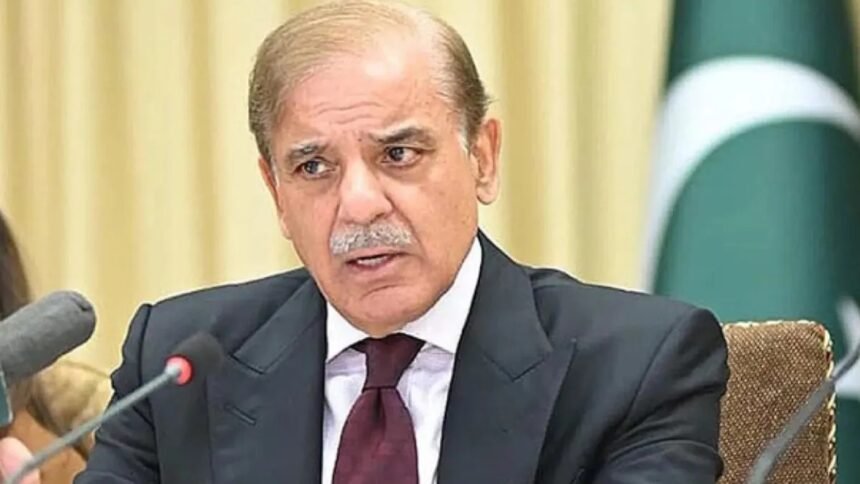
Pakistan is set to receive another financial boost from the International Monetary Fund after the lender reached a staff-level agreement with Islamabad for around USD 1.21 billion in additional funding.
The agreement covers the fourth review of Pakistan’s 37-month Extended Fund Facility (EFF) programme and the third review of its 28-month Resilience and Sustainability Facility (RSF). The deal, announced by the IMF on Wednesday, still needs approval from the Fund’s Executive Board before the money can be released.
Pakistan secured a staff-level agreement with the IMF for approximately USD 1.21 billion in additional funding under its EFF and RSF programs, pending board approval, to aid economic reforms and address fiscal and energy sector challenges.

Once cleared, Pakistan will receive about USD 1 billion under the EFF and another USD 210 million through the RSF. The latest disbursement will take the total amount released under the two programmes to around USD 5.7 billion.
An IMF team led by Iva Petrova held discussions with Pakistani officials in Karachi and Islamabad between September 23 and October 7 as part of the latest review.
Pakistan’s economy grew by an estimated 3.6 per cent in FY26, with high energy costs and supply-related problems continuing to weigh on economic activity. GDP growth stood at 4 per cent during the first three quarters of the fiscal year.
Inflation, which had risen sharply and peaked in May, eased to around 10.3 per cent in September. The current account remained broadly balanced, helped in large part by strong remittances from Pakistanis living abroad.
The country’s foreign exchange reserves also improved, reaching around USD 21.5 billion by the end of September.
The IMF said recent improvements in Pakistan’s sovereign credit ratings and its tentative return to international debt markets pointed to some improvement in investor confidence. However, it warned that the recovery remains vulnerable to external shocks.
“Nevertheless, risks remain high, particularly from geopolitical tensions, volatile energy prices, tighter global financial conditions, and trade disruptions,” Petrova said.
The Fund has called on Pakistan to stick to its fiscal targets under the FY27 budget and maintain an underlying primary surplus of 2 per cent of GDP. It also wants Islamabad to step up efforts to improve tax collection.
Among the measures suggested are risk-based tax audits, wider use of digital invoicing and greater use of third-party data to identify and verify taxpayers and transactions.
The IMF has also pushed for changes in public financial management and government procurement, along with better management of government cash. These steps are aimed at reducing borrowing costs and limiting risks linked to debt refinancing.
Spending on health and education has increased from 2.2 per cent of GDP in FY24 to 2.5 per cent in FY26. The government is expected to raise this further to 2.8 per cent of GDP in FY27.
While the IMF welcomed increased targeted welfare payments, it called for the fuel support scheme to be scrapped, saying the programme had become too costly for the government to sustain.
The State Bank of Pakistan has also been asked to maintain a tight monetary policy until inflation is firmly brought back within the central bank’s target range.
The energy sector remains another major concern. The IMF wants Pakistan to make further tariff adjustments, improve the efficiency of power companies and increase competition among electricity distributors. It also stressed the need to tackle the growing circular debt in the sector.
The EFF is designed to support countries facing serious balance-of-payments problems while they undertake economic reforms. The RSF provides longer-term financing to help countries address climate-related vulnerabilities and other structural challenges.
For Pakistan, the latest agreement provides another much-needed financial cushion as it continues to deal with weak public finances, high debt repayments, pressure on foreign exchange reserves and long-standing problems in its energy sector.