




The debate around India’s biofuel blending push has mostly focused on the alleged harmful effects of the fuel being sold on cars. This is perhaps the easiest of the controversies to solve, provided the government lays down clear cut guidelines for fuel retailers and car producers. India is not the only country where biofuel is blended with fossil fuels.
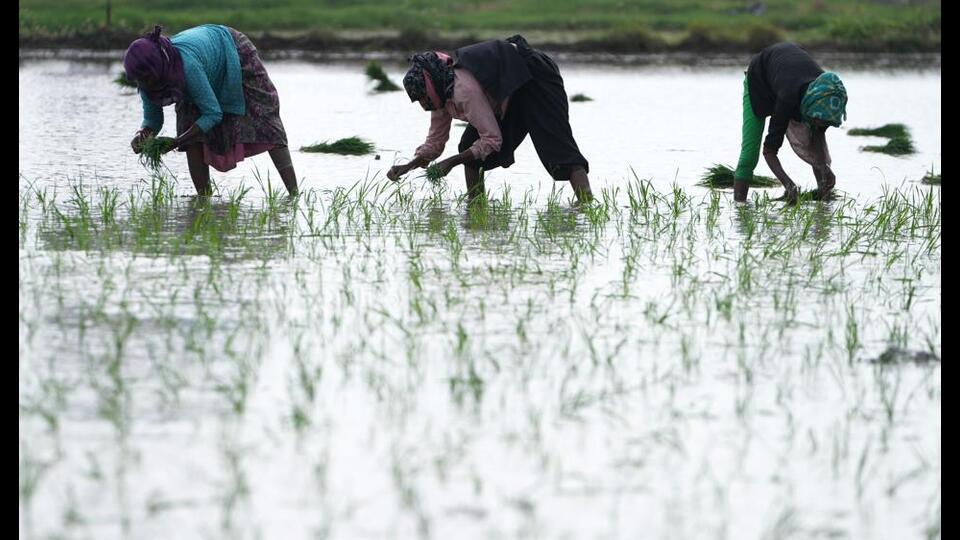
The larger and more difficult questions around the biofuel industry are rooted in the political economy of maintaining a balance between food and fuel needs of the country. An HT report from the ongoing Parliament proceedings offers a glimpse into this larger tension.
The government, while answering a question in the Rajya Sabha said that the Food Corporation of India (FCI) sold rice at a discount — around 40% less than the average acquisition cost of the agency — to distillers for producing ethanol. While the government did not provide details on the end use of the ethanol produced by using this discounted sale, it is likely that a substantial part of the produce could have been used for fuel blending requirements.
This raises a larger question about the biofuel blending industrial complex in the economy. Because the raw material required for producing the blend is the same as the country’s food and feed requirements, a growing diversion to fuel use without a corresponding increase in production will entail a pressure on supplying to the food and feed demand. Left to the open market, this can either lead to an increase in food/feed prices or make the cost of fuel blending prohibitively high. Some of India’s government owned fuel retailing officials have come on record that ethanol blending is not necessarily a cost saving method, although it might save the country precious foreign exchange in importing crude oil. Given this backdrop, how judicious is FCI’s discounted sales to ethanol producers?
FCI’s procurement budget comes out India’s food security bill. This is aggressively watched by countries and multilateral agencies such as the US and the WTO. Using this money to subsidise fuel blending creates unwarranted pressure on India’s agricultural support and food security programmes. Ideally, the money should be earmarked as fuel subsidy.
The more important question is not classifying subsidies. It is whether India’s biofuel blending ambitions have taken note of the larger tensions between securing food-feed-fuel needs of the economy.