In The News
-Sathish Raman


Bra shopping has a way of wearing you out before you’ve even left the store. You try on five, maybe six styles, spend way longer in that fitting room than you planned, and still walk out with the one that’s just “fine.”
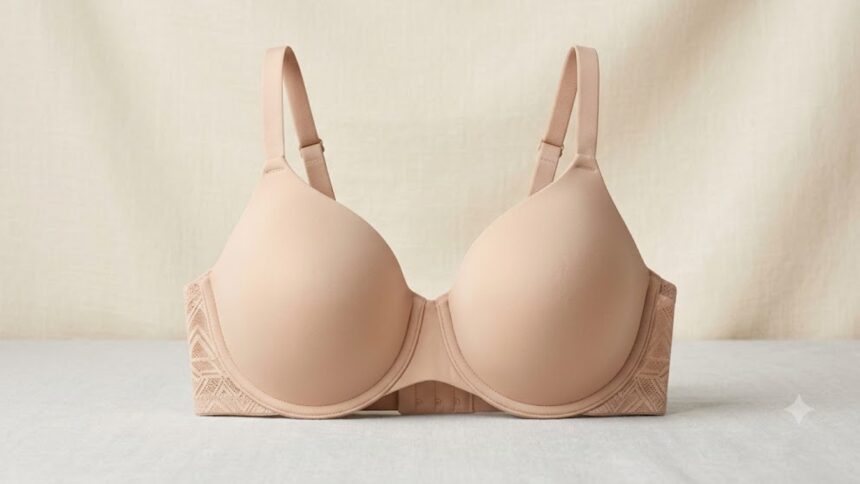
Tired of uncomfortable bras? Discover why finding the best bra for women goes beyond size. This guide reveals how to choose the perfect fit for your unique body type, from fuller busts to athletic frames. Stop adjusting and start feeling truly supported and confident every day. Your ideal bra awaits!
It’s usually not your body that’s the problem. It’s that most bras are built around a standard set of measurements, and real bodies don’t work that way. Shoulders, torsos, and busts all come in different proportions, even at the exact same size.
Which is also why two women can wear the same size and swear by two completely different bras. Shoulder width, torso length, how your bust sits, your general shape, all of it changes how a bra actually feels once you’ve had it on for eight hours.
So the best bra for women probably isn’t just “your size.” It’s the one built for how your body is actually shaped.
Why Body Shape Matters Just As Much As Bra Size
Most women start bra shopping with a number and a letter, 34B, 36C, or whatever it is. Fair enough, that matters. But it’s only half the story.
Fit isn’t only about band and cup size. Your frame, your posture, where you naturally carry volume, all of that plays into whether a bra feels secure or like it’s constantly working against you.
That’s the real reason two people in the same size can have such different experiences in the same bra.
The same goes for occasion-specific styles too. A strapless bra might be perfect under an off-shoulder dress, but that doesn’t automatically make it the best choice for everyday wear. Different outfits and different needs often call for different kinds of support.
If You Have a Fuller Bust and a Smaller Frame
This combination trips a lot of people up, mostly because full-bust styles are usually built assuming a wider back to go with it.
If that’s you, look for deeper cups that don’t force you into a bigger band. A band that’s too loose will slide around all day, no matter how well the cups fit.
Wider side panels, properly supportive cups, and straps that actually sit still on your shoulders make a real difference here.
You’re not necessarily after more coverage. You’re after support that actually matches your frame.
If You Have Broader Shoulders and a Smaller Bust
When your shoulders are wider than your bust, the issue is rarely the cup size, it’s usually the straps.
Thin straps dig in over a long day, even on a bra that technically fits fine everywhere else.
Wider straps, racerback styles, or lightly molded cups spread the weight out better and give you a smoother shape under your clothes.
More often than not, a bit of structure works better here than extra padding does.
If You Have a Fuller Figure
For a fuller figure, everything starts with the band.
A band that feels comfy in the store because it’s stretchy will give out support by mid-afternoon. A firmer band carries more of the weight itself, so your straps and shoulders don’t have to.
Wider straps, a bit more coverage on the sides, and cups that are actually built well go a long way, without making the whole thing feel restrictive.
A bra that’s really doing its job all day is one you stop noticing by lunchtime.
If You Have an Athletic or Straighter Frame
If your body doesn’t have a lot of curve through the bust or waist, heavily structured bras can leave gaps or extra bunched-up fabric you don’t need.
Softer styles tend to work better here.
Wire-free bras, soft-cup designs, and lightly shaped bralettes follow your shape instead of trying to force one onto you.
Plenty of women find these are the ones they reach for daily because comfortable enough for every day, supportive enough that it doesn’t matter.
If Your Body Is Going Through Changes
Bodies don’t stay put, and bra needs shift right along with them.
Weight changes, hormones, postpartum recovery, any kind of transition, all of it can throw off how a bra that used to fit perfectly suddenly doesn’t.
During those stretches, flexibility matters more than structure. Soft fabrics, wire-free styles, and adjustable features give you room while things settle.
Instead of chasing the “perfect fit” right away, it helps to just look for something that moves with you for now.
If You Have a Petite Frame
Petite doesn’t automatically mean small cup size, more often it just means different proportions altogether.
If you’ve got a shorter torso, you might find certain bras dig in under the arms or at the centre, even in a size that’s technically correct.
Shorter underwires, narrower centre panels, and cuts actually built for petite frames tend to sit a lot more naturally.
Sometimes it’s not the size that’s wrong. It’s just the construction.
How to Know You’ve Found the Right Bra
A good bra doesn’t ask for your attention.
You shouldn’t be adjusting straps, tugging the band down, or clocking pressure points every couple of hours.
A well-fitting bra should:
● Stay put through the day without you thinking about it
● Feel supportive, not like it’s digging in anywhere
● Sit smoothly against your body
● Move the way you move
● Need little to no adjusting once it’s on
Honestly, the best bras are usually the ones you forget you’re wearing.
The Real Takeaway
Body types aren’t neat boxes, and most women won’t fit cleanly into just one of these descriptions.
You might see yourself in two or three of them at once, and that’s completely normal. Bodies are individual, and they don’t stay the same forever either.
The goal was never to find the label that describes you best. It’s to figure out where your body actually needs support and pick styles built around that.
Because finding the best bra for women was never really about chasing a perfect size. It’s about finding a fit that feels comfortable, supportive, and right — for you, specifically.
And it’s worth revisiting that every once in a while. The bra that worked perfectly two years ago might not be the one you reach for today. Bodies change, preferences change, and comfort looks different at different points in life.
The more you pay attention to how a bra actually feels, rather than just what the tag says — the easier it gets to find one you genuinely don’t mind wearing.