


By using this site, you agree to the Privacy Policy and Terms of Use.
Accept
Next India Magazine
  • Home
    • Home 2
    • Home 3Hot
    • Home 4
    • Home 5New
  • Home
  • Opinion

    That Provide Critical Analysis on Political Decision-Making

    krutikadalvibiz@gmail.com

    Analyzing Global Dynamics and Unraveling Key Policy Initiatives

    krutikadalvibiz@gmail.com

    Luxurious Stays Redefining Hospitality at Hotel Havens

    krutikadalvibiz@gmail.com

    Electric Cars Subsidies by German Taxpayers End Up on Foreign Roads

    krutikadalvibiz@gmail.com

    Bonusvoorwaarden van Becasino: de inzetterm die je saldo bepaalt

    krutikadalvibiz@gmail.com

    Blik w kasynach 2026 – o co pytają gracze przed pierwszym zasileniem konta

    krutikadalvibiz@gmail.com
  • World
  • Politics
  • Market
  • Health
  • Insurance
  • Pages
    • Blog Index
    • Contact US
    • Search Page
    • 404 Page
    • Technology
    • World
  • Pages
    • Blog Index
    • Search Page
    • 404 Page
  • Technology
    TechnologyShow More
    Ramya Sudha Vinukonda: A Biology Teacher Turning Government School Classrooms into Spaces of Possibility
    6 Min Read
    Dr. Nishant Sawant: The Mind Behind Secure Digital Progress
    4 Min Read
    NASA’s Artemis II Mission Rekindles Humanity’s Dream of Deep Space Exploration
    5 Min Read
    Buying a Car Will Soon be Like Buying a Phone, Why Your Next Car Could be an EV
    Hands-On With the iPhone 13, Pro, Max, and Mini
    4 Min Read
  • Posts
    • Post Layouts
      • Standard 1
      • Standard 2
      • Standard 3
      • Standard 4
      • Standard 5
      • Standard 6
      • Standard 7
      • No Featured
    • Gallery Layouts
      • Layout 1
      • Layout 2
      • layout 3
    • Video Layouts
      • Layout 1
      • Layout 2
      • Layout 3
      • Layout 4
    • Audio Layouts
      • Layout 1
      • Layout 2
    • Post Sidebar
      • Right Sidebar
      • Left Sidebar
    • Review
      • Stars
      • Scores
      • User Rating
    • Content Features
      • Highlight Shares
      • Inline Mailchimp
      • Print Post
      • Inline Related
      • Source/Via Tag
      • Reading Indicator
      • Content Size Resizer
    • Table of Contents
      • Full Width
      • Left Side
    • Sponsored Post
  • Contact
  • Pages
    • Search Page
    • 404 Page
Reading: Delhi’s AQI remains ‘poor’; minimum temperature recorded at 19°C
SUBSCRIBE
Next India MagazineNext India Magazine
Font ResizerAa
  • My Saves
  • Economics
  • Technology
  • My Interests
  • World
  • My Feed
  • History
  • Business
  • Technology
  • Lifestyle
  • Fashion
  • Health
  • Technology
  • World
Search
  • Pages
    • Blog Index
    • Contact Us
    • Search Page
    • 404 Page
  • Home
    • Home 1
    • Home 2
    • Home 3
    • Home 4
    • Home 5
  • Home
  • Blog
  • Categories
    • Technology
    • Lifestyle
  • Personalized
    • My Feed
    • My Saves
    • My Interests
    • History
  • Demos
  • Categories
    • Technology
    • Business
    • Fashion
    • Economics
  • Bookmarks
  • Categories
    • Technology
    • Health
    • World
  • More Foxiz
    • Blog Index
    • Sitemap
  • Bookmarks
  • Contact
  • More Foxiz
    • Sitemap
Have an existing account? Sign In
Follow US
  • Home
  • World
  • Contact
  • Blog
© Foxiz News Network. Ruby Design Company. All Rights Reserved.
BusinessLifestyleStartup

Delhi’s AQI remains ‘poor’; minimum temperature recorded at 19°C

India Times Now
Last updated: October 23, 2026 4:14 am
India Times Now
4 Min Read
Share
SHARE

Delhi’s air quality remained in the poor category as the minimum temperature was recorded at 19°C on Friday. The air quality index (AQI) stood at 223 (8am).
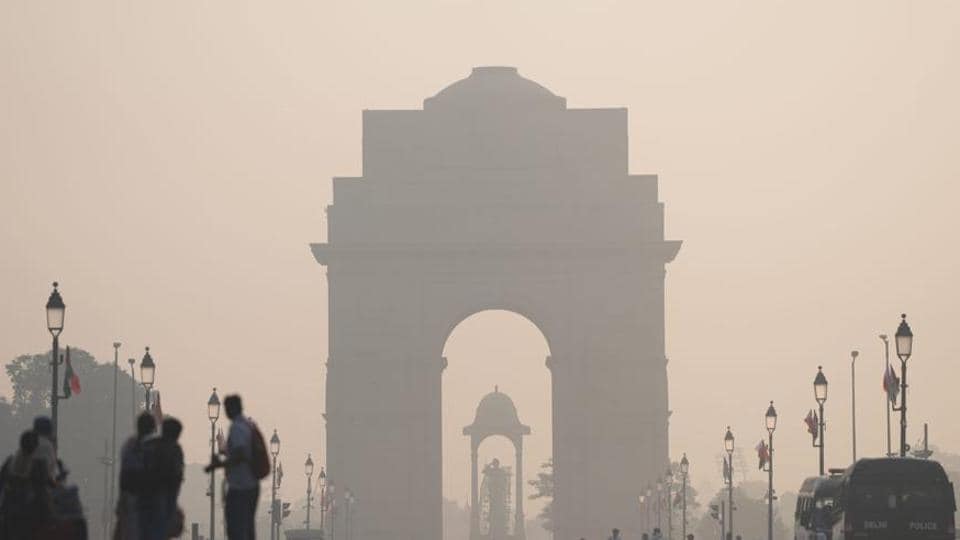
A layer of smog engulfs the surrounding at India Gate as people walk along amid poor air quality. (PTI photo)

Out of 57 air quality monitoring stations, 19 recorded air quality in the moderate zone while the rest were in the poor category. An AQI between 201 and 300 is classified as poor under the Central Pollution Control Board’s scale.

The air quality reading comes amid the seasonal deterioration in pollution levels amid impending onset of winter and meteorological conditions favouring the accumulation of pollutants.

According to the Air Quality Early Warning System, Delhi’s air quality is likely to remain poor till October 25. The outlook for the following six days also indicates that the city is unlikely to see an immediate improvement.

Also Read:New GRAP actions failed to curb Delhi-NCR pollution in 10 of 12 episodes, reveals study

According to India Meteorological Department (IMD) data, Safdarjung, Delhi’s base weather station, recorded a minimum temperature of 19 degrees Celsius, 1.8 degrees above the seasonal average. The minimum temperature at the Ridge station settled at 19.2 degrees Celsius, 0.7 degrees above normal.

Lodi Road recorded a minimum temperature of 18.6°C, 2.6°C above normal, while Ayanagar registered 19.1°C, 1.9°C above normal. Palam recorded the lowest minimum temperature among the five stations at 18.3°C, 0.5°C above normal.

Also Read: Himachal to remain dry till Oct 25, mercury set to rise: IMD

The maximum temperature on Thursday was 32.5°C Celsius at Safdarjung, 32.4°C at Lodi Road, 31.7°C at Ayanagar, 31.5°C at the Ridge and 29.9°C at Palam.

No rainfall was recorded at any of the five weather stations in the 24-hour period ending at 8:30am on Friday.

Stubble burning data

According to the Decision Support System for Air Quality Management in Delhi, developed by the Indian Institute of Tropical Meteorology (IITM), Pune, stubble burning contributed an estimated 7.4% to Delhi’s PM2.5 concentration on Thursday. Its contribution rose to 15.9% on Friday.

Satellite monitoring detected 114 paddy residue-burning events across six states on Thursday, including 36 in Punjab, one in Haryana, three in Uttar Pradesh, 56 in Rajasthan, 11 in Uttarakhand and seven in Madhya Pradesh. No fires were detected in Delhi.

Between September 15 and October 22, satellites detected 1,507 crop-residue burning events across the six states and Delhi. Punjab accounted for 510 events, followed by Madhya Pradesh (400), Rajasthan (308), Uttar Pradesh (193), Uttarakhand (83), Haryana (12) and Delhi (one).

Transport remains highest contributor

The transport sector was the largest contributor to Delhi’s pollution, accounting for 17.32% of the estimated concentration, followed by other sources at 17.28%, according to the Decision Support System.

Share This Article
Facebook Email Copy Link Print
Previous Article Annamalai Says He Does Not Support CJP, Questions Centre’s Crackdown On Protests
Next Article HeyVoli Lands $500K Pre-Seed To Revolutionize Healthcare With AI-Powered Infrastructure
Leave a Comment Leave a Comment

Leave a Reply Cancel reply

Your email address will not be published. Required fields are marked *

You Might Also Like

BusinessLifestyleStartup

Dudhwa maintains 132 water bodies to shield wildlife from summer heat

: With temperatures rising across the Terai region, Dudhwa National…

2 Min Read
BusinessLifestyleStartup

Chandigarh heritage furniture: Plea to halt auction of nine articles in France

Chandigarh, City-based advocate Ajay Jagga on Sunday urged the Centre…

3 Min Read
BusinessLifestyleStartup

Patrick Clancy’s new wife Rachel Danis: Friends reveal their ‘healing’ bond as trial exposes dark past

Patrick Clancy has built a new life in New York…

5 Min Read
BusinessLifestyleStartup

No VVIP treatment to ex-MP Prajwal Revanna, says Karnataka govt

The Karnataka government on Tuesday denied providing VVIP treatment to…

3 Min Read
Next India MagazineNext India Magazine
Follow US
© 2026 Next India Magazine powered by India Times Now. All Rights Reserved.
Welcome Back!

Sign in to your account

Username or Email Address
Password

Lost your password?