


International
oi-Ashish Rana

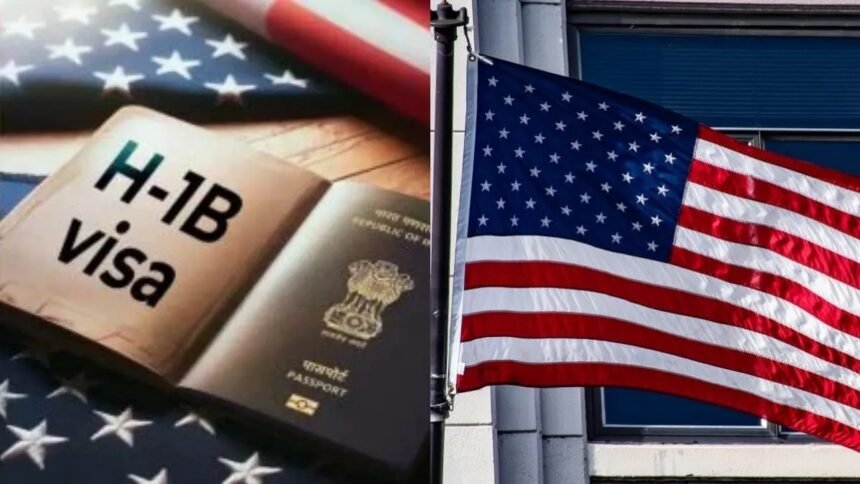
The US government led by Donald Trump has now proposed a new $103,265 fee for H-1B visa petitions, that can go for permanent part of US immigration rules. The Department of Homeland Security (DHS) has raised the fees within a year when last time Donald Trump introduced $100,000 fee which was struck down by a federal judge and later left blocked by an appeals court.

The Department of Homeland Security proposed a $103,265 H-1B visa petition fee under the Trump administration, aiming to fund immigration system costs after a previous $100,000 fee was blocked; a public comment period is now open.
What Is the New H-1B Visa Fee?
Under the proposed rule, employers filing H-1B petitions subject to the annual visa cap would have to pay $103,265 in addition to existing government fees. The proposal includes petitions covered by the 65,000 regular H-1B cap and the additional 20,000 places reserved for eligible foreign workers with advanced US degrees.
The proposed charge is dramatically higher than the roughly $2,000 to $5,000 employers typically paid in government fees before the Trump administration’s earlier fee increase.
Why Is Trump Bringing Back the Fee?
The administration argues that the H-1B system has been misused by companies that hire foreign workers instead of American employees. Supporters of the programme say it helps US businesses fill highly specialised positions when suitably qualified workers are not available domestically.
The proposed regulation also takes a different legal approach from Trump’s 2025 proclamation. DHS says the new fee would help recover the government’s costs of administering the legal immigration system, including immigration courts, enforcement and visa processing. The proposal could generate billions of dollars annually.
Why Was the Earlier $100,000 Fee Blocked?
A federal judge in Massachusetts ruled in June that the earlier fee amounted to an unauthorised tax and exceeded presidential authority. The Trump administration appealed, but the Boston-based US Court of Appeals for the First Circuit rejected its request to keep the fee in place in July.
The US Chamber of Commerce, states, unions and employers have challenged the earlier policy on similar grounds, arguing that Congress, rather than the president, has authority to impose such charges.
What Happens Next?
The $103,265 charge is not yet in effect. DHS has opened a 30-day public comment period after the proposal’s publication in the Federal Register. The department could then modify and finalise the regulation, a process that may take months.
The H-1B programme remains crucial to technology companies, universities, hospitals, research institutions and other employers seeking specialised foreign talent. The proposed fee is therefore likely to face renewed legal and industry opposition if DHS moves ahead with it.