



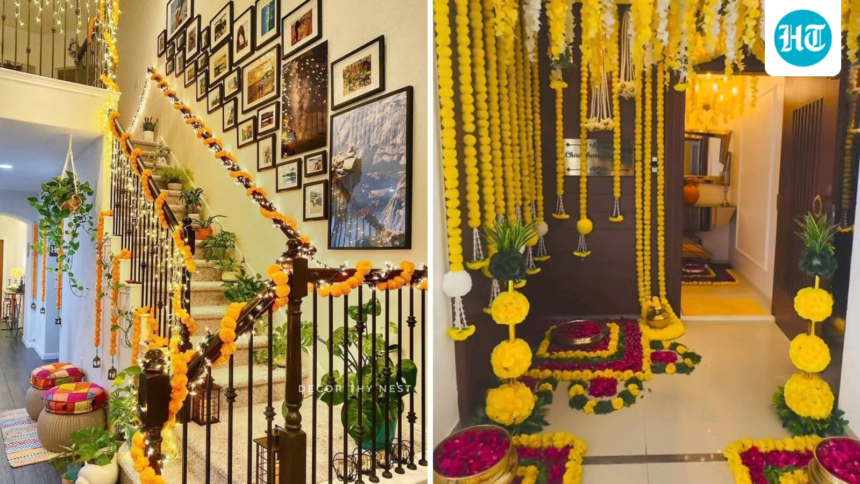
A festive home makeover should not be something you overthink. It should reflect your personality and the things you love. For instance, if you love florals, you can give your home a floral refresh with fresh flowers, leafy accents and indoor plants. Sometimes, small updates, such as adding warm lighting or decorative frames, can bring a festive touch to your interiors. With Diwali around the corner, I remember spending hours looking for rangoli designs to recreate at home. Today, ready-to-use rangoli templates make the process much easier! The key is to work with what you already have and identify the areas that need a little refresh. Colourful cushion covers, fresh flowers, decorative diyas, warm lighting and a well-arranged dining table can transform your space without extensive redecorating. Even cleaning windows, refreshing curtains and decluttering surfaces can make a noticeable difference to how your home looks and feels.

According to Dinesh Chandra Pandey, Founder of Shankar Fenestration and Glasses, creativity and the effective use of existing decor are more important than repeatedly buying new decorations. Similarly, experts suggest focusing on a few important areas, balancing traditional elements with contemporary interiors and choosing decorations that can be reused throughout the year. Here are some expert-backed ways to give your home a festive makeover without changing everything.
1. Refresh your living room with cushions and soft furnishings
The living room is often where family members gather, and guests spend most of their time during festive occasions. Instead of replacing your sofa or investing in new furniture, begin by refreshing the soft furnishings. Swap everyday cushion covers for colourful alternatives in festive shades such as deep red, mustard, rust, emerald green, or gold. You can also add a textured throw, a decorative table runner, or a new set of cushion covers with traditional prints and embroidery. If your existing furniture has neutral upholstery, these small additions can bring in colour without making the room feel overwhelming. Raman Sharma, Founder and Director of StyleSavvys, suggests using decorative items such as cushion covers, centrepieces, decorative trays, and bright blankets to change the ambience of a living room. Combining traditional decorations with contemporary furnishings can help maintain a balanced look.
What to keep in mind: Choose two or three complementary colours rather than introducing too many shades at once. This will help your living room look coordinated while retaining its everyday comfort.
2. Use warm lighting to create a festive atmosphere
Lighting can change the atmosphere of a room without requiring any alterations to its furniture or layout. Even a familiar living room can feel more inviting when harsh lighting is softened and a few warm light sources are introduced. Consider using warm-white string lights around a balcony railing, window frame or a designated decorative corner. Table lamps and lanterns can add softer illumination, while diyas can bring a traditional touch to entrances, balconies and prayer areas. Decorative candles can also be used to create a warm ambience on suitable surfaces. Sharma highlights the importance of arranging warm lighting, diyas, lanterns and candles thoughtfully to enhance the appearance of everyday spaces. Rather than decorating every corner, he recommends creating a focal point that draws attention without overwhelming the room.
For a more cohesive look, match your lighting to the existing decor. For example, warm lights complement wooden furniture, earthy colours, and metallic accents, while subtle string lights can add interest to a simple balcony or hallway. Safety should remain a priority. Keep open flames away from curtains, cushions, paper decorations, and other combustible materials. Use stable holders for diyas and candles, and consider battery-operated lights in areas where children, pets, or frequent movement could pose a risk.
3. Make your windows and doors part of the makeover
Windows and doors are easy to overlook when planning festive decorations, yet they affect how a home looks from both inside and outside. Refreshing these areas can make your interiors look cleaner and brighter without changing the overall design. Ankit Modi, Managing Director of Durakraft Extrusions, points out that small changes can significantly alter the perception of a home. He also highlights the importance of windows and doors in the overall appearance of a property. Start by cleaning windowpanes, frames, and door surfaces to remove dust and marks. Clean windows can let in more natural light, making rooms feel brighter during the day. If your existing curtains look heavy or dated, consider switching to lightweight curtains or sheer panels that complement the rest of the room.
You can also place an indoor plant near a window, add a small decorative arrangement beside the entrance or use flowers to give the doorway a festive touch. Choose decorations that do not obstruct doors, windows or everyday movement. If your home already has well-maintained uPVC windows and doors, keeping the frames clean can help preserve their appearance with relatively little effort. Modi notes that uPVC windows and doors are a practical option for modern homes because they are easy to maintain.
A practical tip: Before purchasing new curtains or decorative accessories, assess the light, privacy and ventilation needs of the room. The aim is to refresh the space while keeping it functional beyond the festive season.
4. Give your dining table a festive refresh
The dining table can become a natural focal point during festive gatherings, especially when family and friends come together for meals. You do not need a completely new dinnerware set or expensive table accessories to make it feel special. Pandey suggests refreshing the dining table with flowers, table linen, and carefully chosen decorations. A simple table runner, a clean tablecloth, or fabric placemats can provide the foundation for the arrangement. You can then add a small vase of fresh flowers, a decorative bowl, or a few traditional accents.
If you already own brass or metal accessories, ceramic bowls, or decorative trays, use them to add texture and character. Your existing dinnerware can also look more festive when arranged neatly and paired with coordinated napkins. Keep the arrangement in proportion to the table. A low floral centrepiece is often more practical than a tall display, especially when people need to see one another across the table. Leave enough room for serving dishes, glasses, and plates so the decorations do not interfere with meals. For smaller homes, this approach can be especially useful because the dining table can serve more than one purpose. A thoughtfully styled arrangement can make the space feel ready for guests while still being easy to clear when the meal begins.
5. Bring in traditional decor without overdoing it
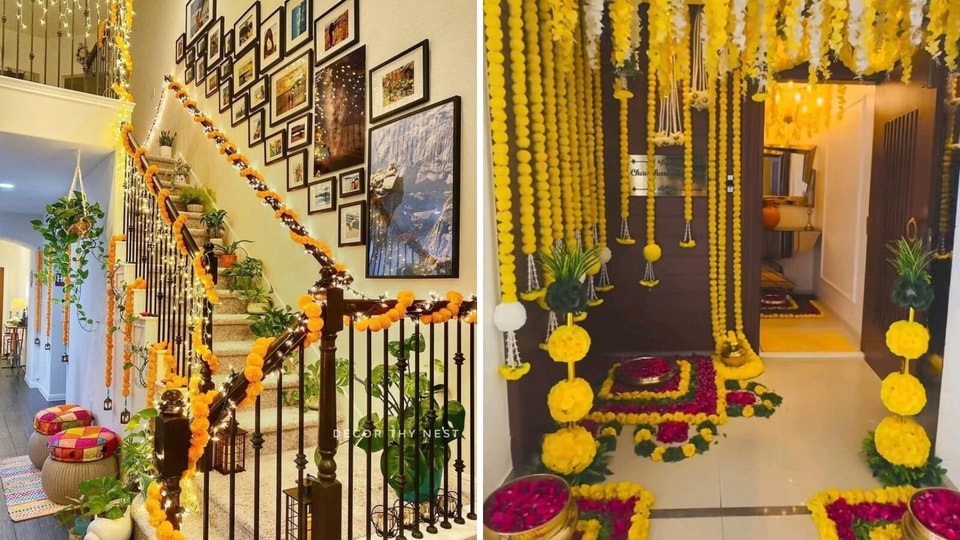
Traditional elements can bring a sense of familiarity and occasion to a home, especially during Diwali. The trick is to introduce them in a way that complements your existing interiors rather than making every surface compete for attention. Diyas, marigold flowers, brass accessories, small rangoli designs and decorative torans can add festive character to entrances, side tables and prayer corners. If you prefer a contemporary interior, these details can be paired with simple furniture, neutral walls and understated accessories. Pandey recommends incorporating traditional elements such as diyas, lighting and flowers while making creative use of existing decorations. The emphasis is on selecting elements that contribute to the festive atmosphere instead of purchasing new decor every time a celebration comes around.
You could, for example, reuse brass diyas from previous years, place flowers in an existing vase, or bring out decorative pieces that are usually kept in storage. A familiar corner can feel refreshed simply by changing the arrangement and adding a few seasonal details. Sharma also recommends using reusable decorations and choosing pieces based on quality, functionality, and personal preferences rather than following every passing trend. How to keep it balanced: Select one or two areas for traditional decor, such as the entrance and prayer corner. This creates a clear festive theme while keeping the rest of the home uncluttered.
6. Rearrange furniture to make the space feel new
Sometimes, a room needs a better layout rather than more decorations. Rearranging furniture can help create a fresh perspective on a familiar space without adding to your shopping list. Pandey recommends paying attention to furniture arrangement as part of a festive home makeover. A thoughtful layout can make the room feel more organised and comfortable for guests. Start by identifying the main purpose of the room during the festive period. If you expect several visitors, ensure that the seating arrangement allows people to converse comfortably and move around without obstacles. Pulling occasional chairs closer to the main seating area or shifting a side table can create a more welcoming arrangement.
In compact apartments, avoid filling the room with extra furniture just for decoration. Instead, clear unnecessary items from walkways, tidy cluttered surfaces, and create enough space for guests to sit comfortably. You can also reposition a floor lamp, move a decorative plant closer to a window, or place a side table beside the sofa to make better use of what is already there. Small adjustments can help highlight features that may have been overlooked. The goal is not to change the entire layout but to make the available space feel more open, practical, and ready for gatherings.
7. Declutter first and decorate afterwards
Before adding festive accessories, take time to clean and organise the areas that guests are most likely to use. Dusty surfaces, crowded shelves and misplaced everyday items can distract from even the most carefully chosen decorations. Pandey identifies cleaning and organising the apartment as important parts of giving a home a festive refresh. A cleaner, more organised room also makes it easier to decide which decorative pieces deserve attention. Begin with the entrance, living room, dining area and frequently used surfaces. Clear coffee tables, organise the items on console tables and remove things that no longer need to be displayed. Wipe down shelves, clean mirrors and refresh frequently touched surfaces.
Once the room is tidy, choose a few accessories that add color, texture, or visual interest. A decorative tray can group a small arrangement of objects, while a vase of flowers can make an otherwise plain corner feel more inviting. Avoid filling every empty surface simply because it is a festive occasion. Leaving some space around decorative objects helps each piece stand out and makes routine cleaning easier. This is also a useful time to sort through existing decorations. Set aside items that can be reused, repair anything that needs attention, and identify what, if anything, is genuinely missing before shopping.
8. Refresh shared spaces and create a welcoming entrance
The festive atmosphere of a home begins before guests reach the living room. A clean entrance, a simple floral arrangement, or a small rangoli can create a welcoming first impression without extensive decoration. Modi recommends focusing on key areas, such as the hallway and living room, instead of trying to fill every corner of the home with festive accessories. This approach also helps keep the makeover practical and manageable. For an apartment entrance, start by cleaning the door and clearing footwear or other items that may block the walkway. Add a toran, a small floral arrangement, or a reusable decorative accent that suits the available space. If the hallway is narrow, wall-mounted decorations can be more practical than accessories placed on the floor. You can also use a small console table, if space permits, to display a vase, a decorative bowl, or a festive arrangement. Keep the styling simple so the entrance remains functional for everyday use.
For shared accommodation, hostels or homes with common areas, festive decoration can also be a collective activity. Kunwar Gaurav Giri, Chairperson of Annapurna Hostels, notes that small changes in dormitories and shared spaces can help create a sense of warmth and celebration, particularly for students living away from their families. Paper lamps, colourful fabric, flowers and battery-operated lights can brighten common areas. However, decorations should never block study areas, doorways or walking routes. Shared spaces benefit most when the arrangement is simple, safe and comfortable for everyone using them.
9. Choose decorations you can reuse throughout the year
A festive makeover does not have to leave you with boxes of decorations that sit unused for the rest of the year. Choosing versatile pieces can help you refresh your home for different occasions without buying new accessories every time. Sharma recommends investing in flexible decorations that can be reused for different celebrations. Rather than focusing on short-lived trends, think about whether an item will suit your existing furniture, colour palette and everyday routine. For example, a decorative tray can style a coffee table year-round, while a ceramic vase can hold festive flowers in October and everyday foliage in other months. Neutral table linen, metallic candle holders and cushion covers in complementary colours can also work across different seasons.
Traditional accessories do not need to be packed away immediately after the festivities. Brass diyas, bowls, and other decorative pieces can be worked into everyday styling when arranged thoughtfully. If you do decide to buy something new, prioritise items that serve both a practical and decorative purpose. These could include cushion covers, table linen, reusable lanterns, or accessories that work in multiple rooms.
How to plan a festive home makeover on a budget
A little planning can help you avoid unnecessary purchases and make the most of the decorations you already own.
- Start with a clean-up: Clean windows, wipe down surfaces and organise the entrance, living room and dining area before deciding what needs refreshing.
- Shop your own home: Look for cushion covers, table linen, decorative trays, vases, diyas and lights that can be reused or rearranged.
- Choose a consistent colour palette: Pick two or three complementary shades to bring together the living room, dining area and entrance.
- Focus on a few key areas: Prioritise spaces where you spend time with family or welcome guests instead of decorating every corner.
- Make small, purposeful purchases: Buy only what is missing after using existing decorations. Choose versatile items that can be reused after the festive season.
- Keep comfort and safety in mind: Maintain clear walkways, avoid overcrowding surfaces and use lights and candles responsibly.
The most effective festive makeover is one that suits your home, budget and everyday needs. As the experts suggest, a few well-considered changes can create a warm and celebratory atmosphere without replacing furniture or undertaking expensive renovations.