



International
oi-Swastika Sruti

Iran has stated that it can reopen the vital Strait of Hormuz in two days provided that America is willing to meet the demands made by Iran.

Iran stated on November 2, 2020, it could reopen the Strait of Hormuz in two days if the US meets demands like lifting sanctions and ending naval blockades, amid ongoing mediated negotiations.
An Iranian Foreign Ministry spokesman named Esmaeil Baqaei stated this on Monday, 2 November 2020. According to him, Iran is exchanging messages with the US through intermediaries. It was stated clearly by Baqaei that whether or not the Strait would be reopened depends on the US agreeing to Iran’s demands.
As per news agency AFP, Esmaeil Baqaei also stated that the very fact that Iran is capable of implementing the plan in two days reflects Iran’s readiness to bring about security to the strait and negotiation.
It was further stated by Baqaei that the discussion for the next steps can take place only when the US accepts the demands of Iran.
What Are Iran’s Conditions For Reopening The Strait Of Hormuz?
Iran has advanced certain demands as a part of its offer of opening up the Strait of Hormuz for shipping activities.
Among these are the ending of the Middle East War on all fronts, the unfreezing of Iranian assets frozen in other countries, the lifting of sanctions against its oil industry, and an end to the US naval blockade of Iranian ports.
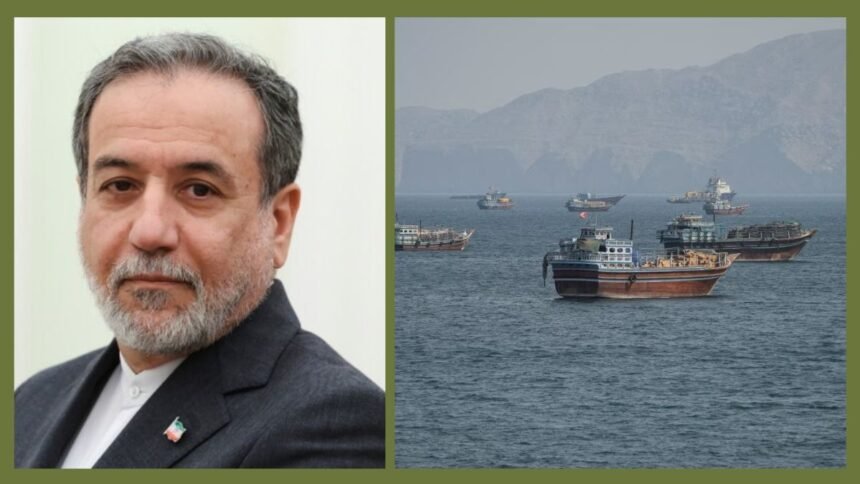
Iranian Foreign Minister, Abbas Araghchi, has put forward further conditions in his interviews with Al Jazeera. He stated that the United States must agree to the new maritime transit channel to be used by ships moving through the strait and approved by Iran and Oman.
Araghchi also demanded the lifting of recently imposed sanctions by the US and a decrease in US troop strength in the region.
Tehran has consistently stated that it would not accept its demands being met without the US ending the blockade of its ports. There are continuing communications between the parties, but no definite agreement has been reached on the issue.
US-Iran Talks Continue Through Mediators
The recent proposal comes as a result of a prior Iranian proposal in which the Iranians promised to restore access to the waterway within a week. The current position of the Iranians is that it will take just two days if Washington agrees to their terms.
Qatar has played an important role in arranging negotiations between the two nations. As stated by Reuters, the Iranian negotiators had left Doha after talks with Qatari mediators when a draft proposal designed to resolve the dispute was circulating.
The talks are being held amid questions over whether the United States and Iran can come to a mutual agreement or resort to military actions.
United States President Donald Trump said that talks with Iran continue. However, Washington has yet to accept the terms proposed by Tehran.
Netanyahu Reportedly Presses Trump For Fresh Strikes On Iran
The diplomatic developments come amid reports of possible renewed military action against Iran. According to a report by Axios, Israeli Prime Minister Benjamin Netanyahu is pressing Trump to consider striking Iran immediately after the US midterm elections scheduled for Tuesday, November 3.
The report, citing Israeli and US sources, said Trump wants to give negotiations more time before deciding on the next course of action. Trump confirmed that he had spoken with Netanyahu over the weekend and said they had discussed Iran. He described the conversation as very good but did not reveal details.
Axios reported that an Israeli source described the call as tough, while a US source characterised it as direct. The reports have added to concerns about a possible escalation, even as diplomatic exchanges continue through mediators.
Why Is The Strait Of Hormuz So Important?
The Strait of Hormuz is the vital route for energy supplies in the world. The strait lies between Iran and Oman and connects the Persian Gulf with the Gulf of Oman and the Arabian Sea.
About one-fifth of the world’s oil supply passes via the strait and is of great importance for the international energy market and the world’s commerce.
Any interruptions in the passage of ships may influence the transport and supply of oil and increase the energy price in different countries.
Since the beginning of the dispute between Iran and the United States in February 2026, the strait has undergone various interruptions in its usage. Iran has claimed the right to manage ships which pass the strait without Iran’s permission; in turn, the US has set a naval blockade for the ports of Iran.
The new offer of Iran may become the chance for restoring the passage of the ships through the strait. Nevertheless, this issue depends upon the acceptance of Washington’s requirements by Tehran.