

By using this site, you agree to the Privacy Policy and Terms of Use.
Accept
Next India Magazine
  • Home
    • Home 2
    • Home 3Hot
    • Home 4
    • Home 5New
  • Home
  • Opinion

    That Provide Critical Analysis on Political Decision-Making

    krutikadalvibiz@gmail.com

    Analyzing Global Dynamics and Unraveling Key Policy Initiatives

    krutikadalvibiz@gmail.com

    Luxurious Stays Redefining Hospitality at Hotel Havens

    krutikadalvibiz@gmail.com

    Electric Cars Subsidies by German Taxpayers End Up on Foreign Roads

    krutikadalvibiz@gmail.com

    Challenge and Inspire Future of Political Thought

    krutikadalvibiz@gmail.com

    Assessing the Diplomatic Challenges and Global Security

    krutikadalvibiz@gmail.com
  • World
  • Politics
  • Market
  • Health
  • Insurance
  • Pages
    • Blog Index
    • Contact US
    • Search Page
    • 404 Page
    • Technology
    • World
  • Pages
    • Blog Index
    • Search Page
    • 404 Page
  • Technology
    TechnologyShow More
    Dr. Nishant Sawant: The Mind Behind Secure Digital Progress
    4 Min Read
    NASA’s Artemis II Mission Rekindles Humanity’s Dream of Deep Space Exploration
    5 Min Read
    Buying a Car Will Soon be Like Buying a Phone, Why Your Next Car Could be an EV
    Hands-On With the iPhone 13, Pro, Max, and Mini
    4 Min Read
    Explained: What are Smart Glasses and How Do It Work?
    4 Min Read
  • Posts
    • Post Layouts
      • Standard 1
      • Standard 2
      • Standard 3
      • Standard 4
      • Standard 5
      • Standard 6
      • Standard 7
      • No Featured
    • Gallery Layouts
      • Layout 1
      • Layout 2
      • layout 3
    • Video Layouts
      • Layout 1
      • Layout 2
      • Layout 3
      • Layout 4
    • Audio Layouts
      • Layout 1
      • Layout 2
    • Post Sidebar
      • Right Sidebar
      • Left Sidebar
    • Review
      • Stars
      • Scores
      • User Rating
    • Content Features
      • Highlight Shares
      • Inline Mailchimp
      • Print Post
      • Inline Related
      • Source/Via Tag
      • Reading Indicator
      • Content Size Resizer
    • Table of Contents
      • Full Width
      • Left Side
    • Sponsored Post
  • Contact
  • Pages
    • Search Page
    • 404 Page
Reading: Monday Musings: When warnings are ignored
SUBSCRIBE
Next India MagazineNext India Magazine
Font ResizerAa
  • My Saves
  • Economics
  • Technology
  • My Interests
  • World
  • My Feed
  • History
  • Business
  • Technology
  • Lifestyle
  • Fashion
  • Health
  • Technology
  • World
Search
  • Pages
    • Blog Index
    • Contact Us
    • Search Page
    • 404 Page
  • Home
    • Home 1
    • Home 2
    • Home 3
    • Home 4
    • Home 5
  • Home
  • Blog
  • Categories
    • Technology
    • Lifestyle
  • Personalized
    • My Feed
    • My Saves
    • My Interests
    • History
  • Demos
  • Categories
    • Technology
    • Business
    • Fashion
    • Economics
  • Bookmarks
  • Categories
    • Technology
    • Health
    • World
  • More Foxiz
    • Blog Index
    • Sitemap
  • Bookmarks
  • Contact
  • More Foxiz
    • Sitemap
Have an existing account? Sign In
Follow US
  • Home
  • World
  • Contact
  • Blog
© Foxiz News Network. Ruby Design Company. All Rights Reserved.
BusinessLifestyleStartup

Monday Musings: When warnings are ignored

India Times Now
Last updated: May 31, 2026 10:13 pm
India Times Now
5 Min Read
Share
SHARE

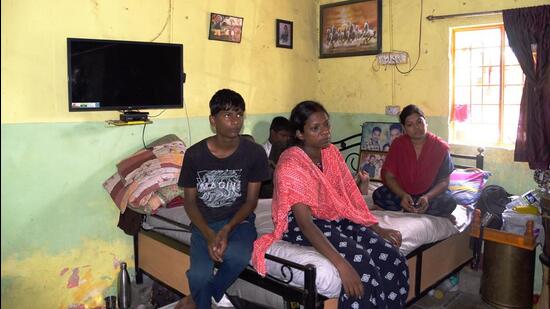
Pune: The spurious liquor tragedy that claimed 16 lives in Pune and Pimpri-Chinchwad is not just an isolated incident about illegal bootlegging but points to a deeper crisis. It highlights how civic authorities consistently choose reactive damage control over proactive prevention.

Monday Musings: When warnings are ignored

What stands out most is what happened in the first few hours after the deaths were reported.

On May 28, when five people died in Dapodi, local residents were already alleging that spurious liquor could be the reason. The suspicion was not coming from experts or politicians. It was coming from people on the ground who knew what had happened and what the victims had consumed.

Yet, authorities were quick to dismiss the possibility.

Statements were issued saying the deaths were unrelated and not linked to liquor consumption. The message was clear—there was nothing to suggest a spurious liquor case.

A day later, the situation changed dramatically. More deaths were reported. The police, the excise department, and the health authorities launched a large-scale investigation. Raids were conducted. Arrests followed. Suddenly, the same possibility that was dismissed earlier became the centre of the investigation.

This raises an uncomfortable question. Why was the liquor angle ruled out so quickly in the first place?

No one expects investigators to know the exact cause of death within a few hours. But when multiple deaths occur in a cluster, and local residents are pointing towards a possible cause, the least authorities can do is keep all possibilities open.

Had the authorities acted on the suspicion immediately, perhaps a public warning could have been issued. At the same time, the source of the liquor could have been traced faster. Some people who later consumed the same liquor would have been alerted.

Maybe the outcome would have been the same. But once lives are lost, these questions become impossible to ignore.

The tragedy also highlights a larger issue with governance in our cities. Enforcement often becomes strict only after something goes wrong.

Take the recent drive against street food vendors in Pune.

Police have been asking many street food vendors to shut their stalls by 10 pm. The explanation is that criminals often gather around such places late at night. Authorities also point out that there are rules regarding operating hours.

But if these rules existed all along, why were they not enforced consistently? Why were authorities comfortable with the situation until recently? Why do rules suddenly become important only after a campaign is launched?

Citizens see this pattern repeatedly.

An accident takes place, and then traffic rules are enforced. A building collapses, and then illegal constructions are checked. A flood occurs, and then drains are cleaned. A tragedy linked to spurious liquor happens, and then illegal liquor networks become a priority.

In the current case, the excise department deserves credit for conducting a massive crackdown after the deaths. Several cases have been registered, and many people have been arrested.

But illegal liquor does not appear overnight.

It has to be manufactured and transported. It has to be stored somewhere before being sold to customers. It has to reach consumers through a chain of people and places.

Such a network cannot function without remaining unnoticed for a considerable period. That is why citizens are asking a simple question: where was the enforcement before the tragedy?

This is not about blaming one department or one officer. It is about a system that often seems to wake up only after a crisis.

The families who lost their loved ones are unlikely to find comfort in hearing about raids conducted after the deaths. For them, the obvious question will remain whether the tragedy could have been prevented.

Every major incident is followed by visible action. There are inspections, raids, meetings and announcements. For a few days, there is a sense of urgency. The public is assured that strict steps are being taken and the same pattern continues.


Share This Article
Facebook Email Copy Link Print
Previous Article Delhi Kotla Mubarakpur jewellery burglary: six arrested, valuables recovered
Next Article Horoscope for Today 01-June-2026 – Fresh Start Energy and Smart Moves in Love and Money for Aries, Gemini and Leo
Leave a Comment Leave a Comment

Leave a Reply Cancel reply

Your email address will not be published. Required fields are marked *

You Might Also Like

BusinessLifestyleStartup

Heat wave empties roads and markets in north India as some farmers turn to nighttime work

NEW DELHI — Roads and markets have emptied during afternoons…

4 Min Read
BusinessLifestyleStartup

Austrian Chancellor Christian Stocker to visit India next week| India News

Austrian Chancellor Christian Stocker will make his first visit to…

1 Min Read
BusinessLifestyleStartup

Chandigarh: Chitkara University launches Punjab’s first IRM India Affiliate global Centre

The Institute of Risk Management (IRM) India Affiliate has established…

4 Min Read
BusinessLifestyleStartup

Chandigarh admn to turn land reclaimed from Colony 4 into urban forest

The city is set to witness a major ecological transformation…

3 Min Read
Next India MagazineNext India Magazine
Follow US
© 2026 Next India Magazine powered by India Times Now. All Rights Reserved.
Welcome Back!

Sign in to your account

Username or Email Address
Password

Lost your password?