


International
oi-Madhuri Adnal

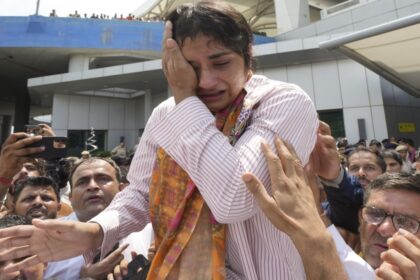
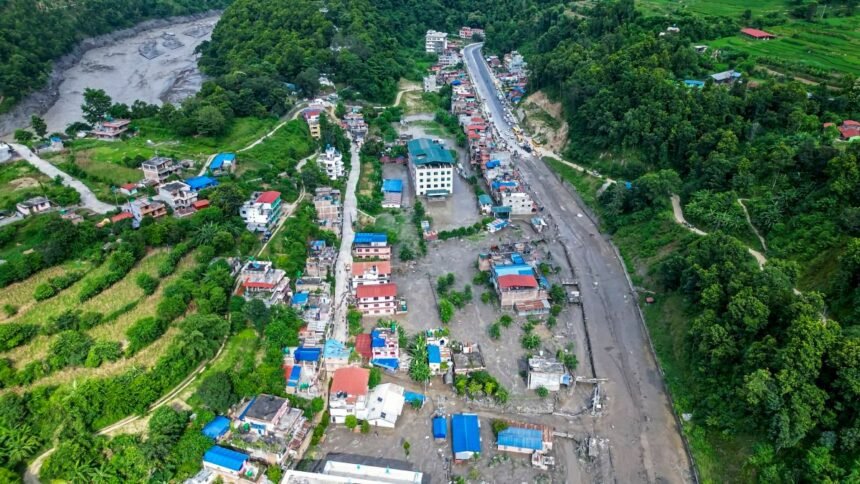
At least 939 people have died in the catastrophic floods near Nepal’s border with China, while 3,925 people are still unaccounted for, according to the country’s disaster authority.
The search for survivors and those still missing entered its sixth day on Monday, with rescue teams continuing to work through areas badly hit by the sudden surge of water, ice and debris.
At least 939 people died and 3,925 are missing in Nepal from glacial floods, while China’s Tibet region reports 16 deaths and 546 missing, with officials citing climate change impacts on the region.

China has separately reported 16 deaths and 546 people missing in Tibet, taking the combined toll from the disaster across Nepal and Tibet to at least 955 dead and 4,471 missing.
Among those still unaccounted for in Nepal are 592 foreigners. The number of workers missing from hydropower projects has also been revised to 639, down from an earlier estimate of 933. Several hydropower sites were among the worst-hit locations.
Nepal’s disaster agency said 3,333 Nepali citizens remained missing. Nuwakot district has reported the highest number, with 1,158 people unaccounted for, followed by Rasuwa with 865.
The list also includes 45 Nepali Army personnel, 38 police officers and 18 customs and immigration officials.
The floods have also had a deadly impact downstream in India.
Authorities in Uttar Pradesh have recovered 17 bodies from rivers flowing in from Nepal. Officials believe the victims may have been caught in the floods, although efforts are still underway to establish their identities.
The bodies have not been included in Nepal’s official death toll.
Nepal Prime Minister Balendra Shah has said the flooding was far beyond what could be considered an ordinary flood and warned that the Himalayan region is facing increasingly serious risks linked to climate change.
The flooding was triggered by a glacial collapse near the China-Nepal border, sending a powerful rush of water, ice and debris through the area.
“The flood in the Bhote Koshi River in Rasuwa was not an ordinary flood,” Shah said in a social media post late Monday.
He described the incident as one of the region’s major disasters and said it was triggered by an avalanche of snow and ice in the Himalayas.
Scientists are still examining what exactly caused the collapse. At the same time, they have warned that rising global temperatures are causing glaciers to melt faster and could increase the chances of dangerous floods and other extreme events in mountain areas.
The Himalayas are warming rapidly, putting communities living in the region at greater risk.
“This incident indicates that the risks we face in the Himalayan region are increasing alongside climate change,” Shah said.
He called for greater vigilance and stronger international efforts to address the risks facing the Himalayan region.
Nepal has contributed relatively little to the greenhouse gas emissions responsible for global warming. But the country, with a population of around 30 million, is highly exposed to its consequences because of its mountainous terrain and vulnerable communities.
(with PTI inputs)