



India
oi-Gaurav Sharma

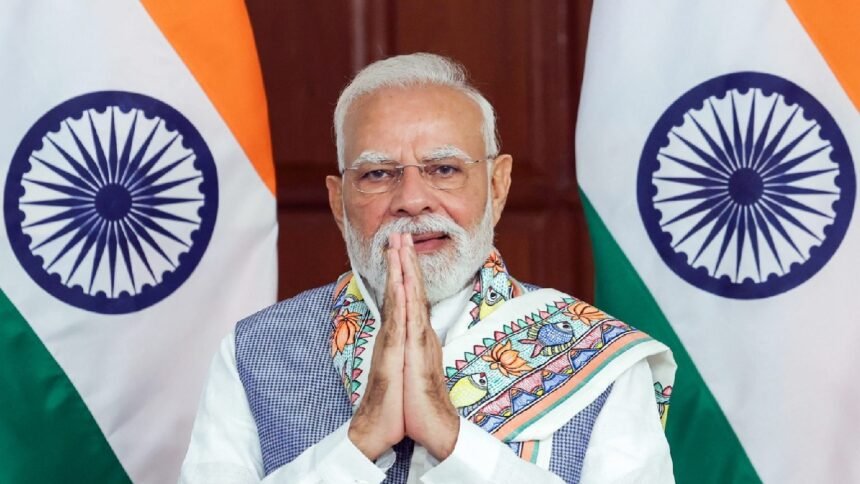
Prime Minister Narendra Modi congratulated scientists and engineers of the Indian Space Research Organisation (ISRO) on Saturday after the successful launch of the GSLV-F18 rocket that carried the NVS-03 navigation satellite. He said it was a major milestone for India in enhancing its indigenous navigation capabilities.
Modi tweeted, “India’s space scientists work tirelessly and innovatively to make us proud. This is an important step in enhancing our capabilities with the NVS-03.”
India’s ISRO successfully launched the GSLV-F18 rocket carrying the 2,250kg NVS-03 navigation satellite from Sriharikota on Friday, aiming to enhance the indigenous NavIC system and the nation’s independent Positioning, Navigation, and Timing capabilities.
He said it will help enhance the capabilities of NavIC (Navigation with Indian Constellation), India’s indigenous satellite navigation system.

“This mission will help enhance NavIC capabilities with advanced satellite capabilities. It will also help provide navigation services to citizens. It is important to develop our own capabilities in strategic sectors.”
The launch which took place at 11.51pm on Friday, successfully put the satellite into its intended orbit after lift off from the Second Launch Pad of the Satish Dhawan Space Centre in Sriharikota, Andhra Pradesh. The GSLV-F18 launch vehicle placed the NVS-03 satellite into its intended Geosynchronous Transfer Orbit (GTO) over 20 minutes after launch.
ISRO Chairman Dr V Narayanan announced the mission’s success saying “congratulations to all the scientists, engineers and industry partners.”
The launch marked the 20th flight of India’s Geosynchronous Satellite Launch Vehicle (GSLV).
The satellite, weighing around 2,250kg, is the third satellite in ISRO’s second-generation navigation satellite series. The next generation satellites will ensure continuity and enhance availability and reliability of navigation services.
Why Is The NVS-03 Mission Important?
The NVS-03 mission is important as India is looking to enhance its independent Positioning, Navigation and Timing (PNT) capabilities. Satnav technology has become increasingly important in a number of sectors including transport, aviation, maritime, emergency services, commercial and strategic sectors.
Improving NavIC will help India become less reliant on foreign satnav services.