


India
oi-Swastika Sruti

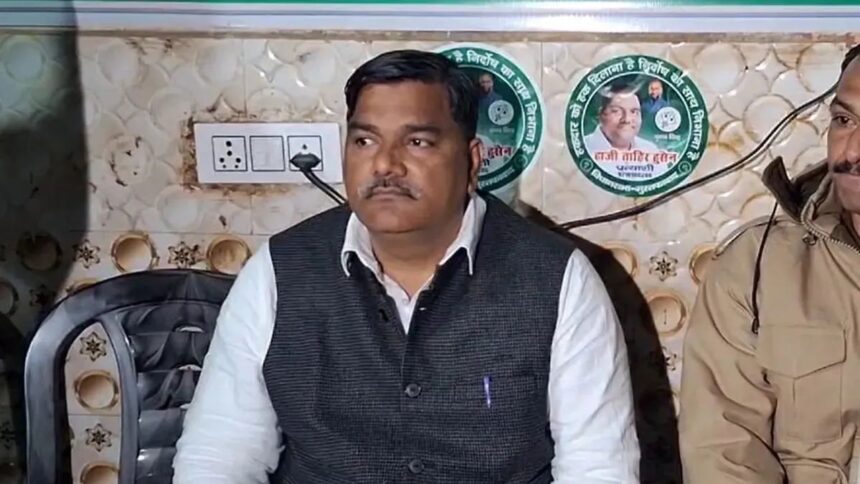
The Delhi Court sentenced former Aam Aadmi Party (AAP) councillor Tahir Hussain and four other convicts to life imprisonment for the murder of Intelligence Bureau (IB) staffer Ankit Sharma during the 2020 northeast Delhi riots.

Tahir Hussain and all other convicts in the Ankit Sharma murder case have been sentenced to life imprisonment. This judicial decision marks a significant development following the trial.
A Delhi court on Friday sentenced former The court found the five guilty of murder, criminal conspiracy and other serious offences, describing the crime as extremely brutal.
Court Calls the Murder ‘Brutal and Shocking’
While delivering the sentence, the court said the crime was of a very serious nature and had deeply disturbed society. It observed that the murder was committed during communal violence and that the victim was targeted because of his religion.
The judge noted that the crime was carried out with “utmost brutality” and said the incident reflected the horrific nature of the riots. According to the court, such acts leave a lasting impact on society and underline the need to uphold the rule of law.
Court Describes Treatment of Victim’s Body
The sentencing order also referred to the way Ankit Sharma’s body was handled after the murder.
The court observed that the victim’s body was allegedly dragged up to Chand Bagh Pulia before being thrown into a drain. Calling the act “barbaric,” the judge said the manner in which the body was treated highlighted the extreme cruelty involved in the offence.
Ankit Sharma’s body was later recovered from the drain, making his death one of the most widely discussed cases linked to the 2020 riots.
Why the Court Rejected the Death Penalty
The Delhi Police had urged the court to award the death penalty, arguing that the case fell under the “rarest of rare” category.
However, the court declined the request and instead sentenced all five convicts to life imprisonment.
The judge said the prosecution had not produced sufficient evidence to show that the convicts had a history of violent behaviour or were likely to commit similar offences in the future. The court also noted that none of the convicts had any previous criminal record.