


International
oi-Gaurav Sharma

The US Senate has approved a sanctions bill that could expose India, China and other major buyers of Russian energy to steep tariffs, opening a new front in Washington’s effort to pressure Moscow over the war in Ukraine. The measure allows President Donald Trump to impose tariffs of up to 100 per cent on goods from countries counted among Russia’s largest oil and gas customers.
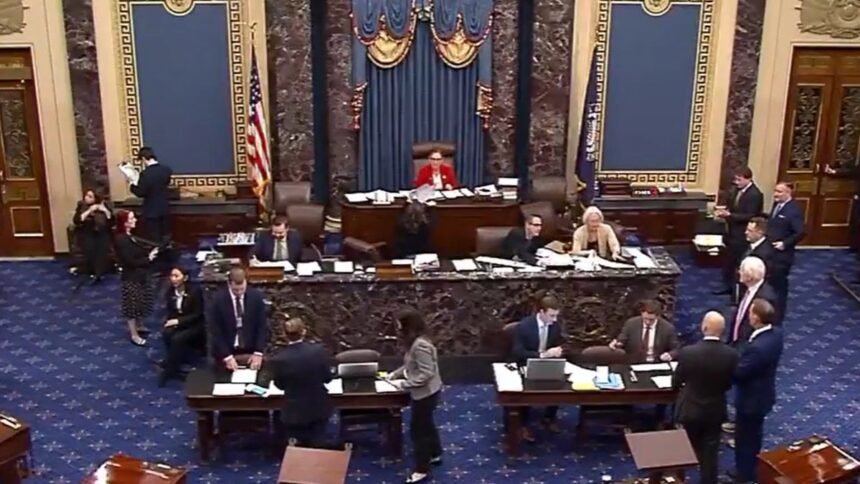
The bill, passed by an 86-11 vote, now heads to the House of Representatives, which is expected to take it up after lawmakers return on August 31. If enacted, it would give the White House a powerful trade tool against countries that continue large-scale energy purchases from Russia, even if those countries are not directly involved in the conflict.
The US Senate approved the Lindsey O. Graham Sanctioning Russia and Iran Act of 2026, authorizing the President to levy up to 100% tariffs on goods from countries like India and China that are major buyers of Russian energy, adding a trade front against Moscow over the Ukraine war.

What the Russia sanctions bill proposes
The measure has been renamed the Lindsey O. Graham Sanctioning Russia and Iran Act of 2026. It targets Russia’s energy revenues by focusing not only on Moscow, but also on the foreign buyers that help sustain its oil and gas trade. At present, China, India, Azerbaijan, Hungary and Slovakia are listed among the top five importers of Russian oil and gas.
Under the bill, the US president would be authorised to levy 100 per cent tariffs on goods imported from countries in that group. The aim is to raise the economic cost of continuing Russian energy purchases and force governments to choose between access to the US market and discounted Russian fuel.
The legislation also seeks sanctions against Russian political leaders, officials, oligarchs and financial institutions. Russian President Vladimir Putin is among those named in the broader sanctions framework. The package combines direct punitive measures against Moscow with secondary pressure on countries that remain important customers for Russian petroleum products.
For India, the proposal matters because Russian crude has become a significant part of its energy basket since the Ukraine war reshaped global oil flows. Indian refiners increased purchases of discounted Russian crude as Western buyers cut exposure and price caps changed trading patterns. New Delhi has consistently argued that its energy decisions are guided by affordability, supply security and consumer interest.
Why India and China are in focus
India and China are central to the debate because both have continued buying Russian energy despite Western sanctions and diplomatic pressure. China is the world’s largest crude importer, while India is highly dependent on imported oil. Any attempt to punish their Russian energy purchases through tariffs could affect wider trade ties with Washington.
The proposed tariff power is especially significant because it would apply to goods from the targeted countries, not just energy-linked trade. That means the consequences could extend well beyond oil, touching manufactured goods, technology products, consumer items and other exports entering the US market.
Such a move would raise difficult questions for India-US relations. The two countries have expanded cooperation in defence, technology, critical minerals and the Indo-Pacific. At the same time, India has maintained long-standing ties with Russia, including in defence supplies and energy. A tariff threat linked to Russian crude could test how both sides manage strategic differences.
The bill’s supporters argue that Russia’s energy earnings remain a key source of funding for its military campaign in Ukraine. They say secondary pressure is necessary because existing sanctions have not fully cut Moscow’s access to global energy revenue. The legislation is designed to make continued purchases economically and politically harder for major importers.
Supporters call it pressure on Moscow, critics warn of tariff overreach
The bill was championed by Republican Senator Lindsey Graham and Democrat Richard Blumenthal. Graham died on July 11 after a trip to Kyiv, and lawmakers from both parties moved to pass the measure in his memory. His sister, Darline Graham, who was appointed to his Senate seat, framed the legislation as a direct choice for Russia’s energy customers.
“This bill forces those primary countries keeping Russia’s economy afloat to make a simple yet critical choice – a choice between doing business with America or buying cheap Russian energy,” she said after the Senate vote.
Blumenthal said Graham would be “proud of what we’ve done”. He added, “These sledgehammer sanctions and tariffs will stop all who are complicit in this murderous, criminal war of aggression against brave free people.”
However, the bill has also triggered concern among Democrats who support Ukraine but oppose giving Trump wider tariff authority. Congressmen Gregory Meeks and Don Beyer warned that the proposal could create “sweeping new tariff authorities that the president could weaponise with abandon, as he has repeatedly done in the past”.
In a joint statement, they said they welcomed efforts to support Ukraine and punish Russia, but argued the legislation would not achieve those goals. They warned it could allow Trump to avoid directly holding Russia accountable while imposing more tariffs in his trade disputes, with American consumers ultimately bearing higher costs.