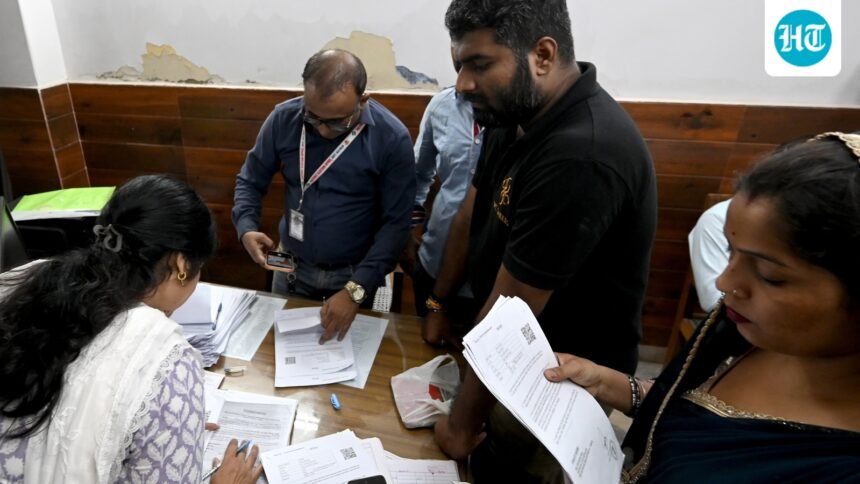
Claims of differences between the Chief Election Commissioner and the other two election commissioners over crucial procedural aspects of the ongoing Special Intensive Revision (SIR) of electoral rolls in the country have raised serious questions about institutional propriety and integrity in one of India’s most critical institutions (the Election Commission has dismissed these claims, insisting that the decisions were all unanimous, or majority ones). The opposition is also criticizing the government for the controversy, especially, in the backdrop for the law for appointing election commissioners being changed to tilt the scales in favour of the government.
Questions of institutional propriety, unless they are adjudicated upon by another institution with statutory power – in this case it will have to the highest court in the land – can only play out politically. This brings up an interesting question: what do we knows about views about institutions, parties and their role in shaping political preferences in India? One way to answer this question is to use data from CSDS Lokniti’s National Election Studies – India’s only polling data which is published transparently. Here is what is shows.