

By using this site, you agree to the Privacy Policy and Terms of Use.
Accept
Next India Magazine
  • Home
    • Home 2
    • Home 3Hot
    • Home 4
    • Home 5New
  • Home
  • Opinion

    That Provide Critical Analysis on Political Decision-Making

    krutikadalvibiz@gmail.com

    Analyzing Global Dynamics and Unraveling Key Policy Initiatives

    krutikadalvibiz@gmail.com

    Luxurious Stays Redefining Hospitality at Hotel Havens

    krutikadalvibiz@gmail.com

    Electric Cars Subsidies by German Taxpayers End Up on Foreign Roads

    krutikadalvibiz@gmail.com

    Challenge and Inspire Future of Political Thought

    krutikadalvibiz@gmail.com

    Assessing the Diplomatic Challenges and Global Security

    krutikadalvibiz@gmail.com
  • World
  • Politics
  • Market
  • Health
  • Insurance
  • Pages
    • Blog Index
    • Contact US
    • Search Page
    • 404 Page
    • Technology
    • World
  • Pages
    • Blog Index
    • Search Page
    • 404 Page
  • Technology
    TechnologyShow More
    Dr. Nishant Sawant: The Mind Behind Secure Digital Progress
    4 Min Read
    NASA’s Artemis II Mission Rekindles Humanity’s Dream of Deep Space Exploration
    5 Min Read
    Buying a Car Will Soon be Like Buying a Phone, Why Your Next Car Could be an EV
    Hands-On With the iPhone 13, Pro, Max, and Mini
    4 Min Read
    Explained: What are Smart Glasses and How Do It Work?
    4 Min Read
  • Posts
    • Post Layouts
      • Standard 1
      • Standard 2
      • Standard 3
      • Standard 4
      • Standard 5
      • Standard 6
      • Standard 7
      • No Featured
    • Gallery Layouts
      • Layout 1
      • Layout 2
      • layout 3
    • Video Layouts
      • Layout 1
      • Layout 2
      • Layout 3
      • Layout 4
    • Audio Layouts
      • Layout 1
      • Layout 2
    • Post Sidebar
      • Right Sidebar
      • Left Sidebar
    • Review
      • Stars
      • Scores
      • User Rating
    • Content Features
      • Highlight Shares
      • Inline Mailchimp
      • Print Post
      • Inline Related
      • Source/Via Tag
      • Reading Indicator
      • Content Size Resizer
    • Table of Contents
      • Full Width
      • Left Side
    • Sponsored Post
  • Contact
  • Pages
    • Search Page
    • 404 Page
Reading: A much-needed plan for TB in India
SUBSCRIBE
Next India MagazineNext India Magazine
Font ResizerAa
  • My Saves
  • Economics
  • Technology
  • My Interests
  • World
  • My Feed
  • History
  • Business
  • Technology
  • Lifestyle
  • Fashion
  • Health
  • Technology
  • World
Search
  • Pages
    • Blog Index
    • Contact Us
    • Search Page
    • 404 Page
  • Home
    • Home 1
    • Home 2
    • Home 3
    • Home 4
    • Home 5
  • Home
  • Blog
  • Categories
    • Technology
    • Lifestyle
  • Personalized
    • My Feed
    • My Saves
    • My Interests
    • History
  • Demos
  • Categories
    • Technology
    • Business
    • Fashion
    • Economics
  • Bookmarks
  • Categories
    • Technology
    • Health
    • World
  • More Foxiz
    • Blog Index
    • Sitemap
  • Bookmarks
  • Contact
  • More Foxiz
    • Sitemap
Have an existing account? Sign In
Follow US
  • Home
  • World
  • Contact
  • Blog
© Foxiz News Network. Ruby Design Company. All Rights Reserved.
BusinessLifestyleStartup

A much-needed plan for TB in India

India Times Now
Last updated: July 4, 2026 12:02 pm
India Times Now
5 Min Read
Share
SHARE

In March 2018, India made a surprising announcement in a full auditorium on World TB Day. India would eliminate tuberculosis by 2025. Five years ahead of the global target.

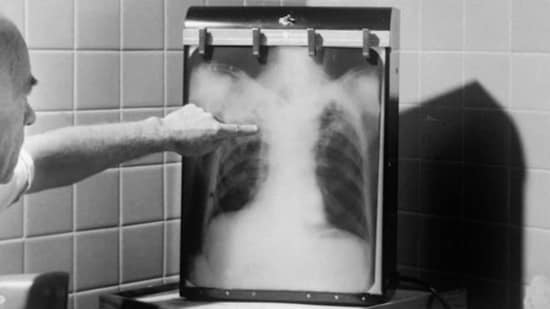
TB (Unsplash)
TB (Unsplash)

India did want to eliminate TB, but it was no easy task. Also, no one knew how or its cost. As we sit in mid-2026, with no elimination in sight, it’s time to introspect and ask: What should we do for TB beyond 2025?

India, energised, has certainly made progress on TB-expanded diagnostics, digital tracking systems, nutritional support schemes, and support initiatives. Important initiatives. Yet, insufficient for ending TB.

Government efforts, yield limited results, because 50% India’s TB cases remain diagnosed and treated in its vast private sector. Also, the social determinants of TB: Poverty, inequality, malnutrition, overcrowding, and health expenses remain unaddressed. Clearly a response that does not engage the private sector and address some, if not all, the social determinants, is not an effective one.

Even today, millions continue to experience delayed diagnosis, interrupted treatment, financial hardship, stigma, and isolation throughout their TB journey. If we add harder to cure drug-resistant TB, to this mix we have extensive suffering, transmission, poverty and debt. TB persists because it remains a social, economic, and human rights issue.

A cohesive response to India’s TB crisis, is to look at the lived experiences of those affected both in the public and the private sector and learn from them. To create awareness on early diagnosis, include technologies that are quick, detect drug resistance early and ensure that they remain affordable.

A critical aspect is treatment. Current treatment, however, effective leaves the individual with little or no support. The focus is on compliance rather than quality of care. Particularly damaging when treatment brings severe side effects. The new regimens that have received much attention need more effective distribution and access. Perhaps the problem is that they remain unavailable to those within the private sector.

An important aspect of treatment is awareness and choice. Individuals often do not know what kind of TB they have nor do they know what choices they have in treatment. This approach to treatment must change. Those affected need treatment literacy, support for managing side effects and mental health care.

TB is gendered where women, trans folks and sexual and gender minorities remain the most vulnerable to systemic discrimination. We need to change that by implementing care that is more gender responsive. A start would be to have zero tolerance within clinical settings as also counselling for families.

We all know TB disproportionately affects the vulnerable, and poor. Yet schemes such as Nikshay Poshan Yojana give only ₹1,000 every month for nutritional support. A key action point here would be to raise the amount to ₹3,000 considering current inflation and food prices. We should be ensuring that that every Indian has food security because evidence shows it remains a sure way to reduce latent Tb infection from progressing to active TB.

Inequities exist within the TB response itself. Migrant workers, urban poor communities, tribal populations, people living with HIV, and undernourished populations continue to face risks. Specialised programmes for these subgroups are critical.

Stigma follows TB like a shadow. A large-scale unpacking of the roots of stigma is needed–a public conversation. As is building public and health system literacy and sensitisation.

Finally, there is the elephant in the room–the private sector that treats 50% of all TB cases. Partnerships with the private sector require persistence, collaboration, and empathy. A top-down approach won’t work. It will require governments, health care systems, researchers, civil society organisations, and survivors to continue working together with urgency.

These are not revelations but knowledge available if governments engage survivors–to understand their lived experiences. Beyond using them as talking heads at events or as low-cost labour for community engagement. It’s time to work with the community. To engage them as partners, who provide input, and become spokespersons. When these voices shape programmes, policies become more grounded, and effective.

We have an opportunity to reimagine the TB response. A TB-free India will emerge not just from better technology or faster diagnostics but also a true partnership with communities and the private sector.

(The views expressed are personal)

This article is authored by Chapal Mehra, queer writer, activist and public health specialist, New York.


Share This Article
Facebook Email Copy Link Print
Previous Article Did Iran Force Businesses to Close for Ayatollah Ali Khamenei’s Funeral? What Report Claims
Next Article 2020 Delhi Riots: Court Denies Bail to Student Activists Umar Khalid, Sharjeel Imam In Larger-Conspiracy Case
Leave a Comment Leave a Comment

Leave a Reply Cancel reply

Your email address will not be published. Required fields are marked *

You Might Also Like

BusinessLifestyleStartup

Chandigarh: 57-yr-old woman duped of ₹50 lakh in investment fraud

A 57-year-old woman from Sector 18 has alleged that she…

2 Min Read
BusinessLifestyleStartup

Weekly Career & Money Horoscope for May 3-9, 2026: The crystals may help to bring abundant luck and good wealth

Career & Finance Energy: Balance and patienceWeekly Career Horoscope for…

6 Min Read
BusinessLifestyleStartup

MP firecracker unit blast: Brother of injured worker alleges mismanagement, lack of safety norms

Dewas/Indore, One of the workers at the firecracker factory destroyed…

3 Min Read
BusinessLifestyleStartup

Claims and counters in Nashik BPO sexual abuse, ‘conversion racket’ case| India News

The quiet industrial landscape of Nashik has been shaken by…

6 Min Read
Next India MagazineNext India Magazine
Follow US
© 2026 Next India Magazine powered by India Times Now. All Rights Reserved.
Welcome Back!

Sign in to your account

Username or Email Address
Password

Lost your password?