



International
oi-Swastika Sruti

Fresh diplomatic efforts between the United States and Iran have begun in Switzerland, raising hopes of easing tensions between the two countries after years of disagreements over nuclear activities and regional security issues.

Switzerland hosts high-level US-Iran talks, mediated by Qatar and Pakistan, focusing on nuclear transparency, regional security, and potential humanitarian financial relief for Tehran amidst efforts to ease tensions.
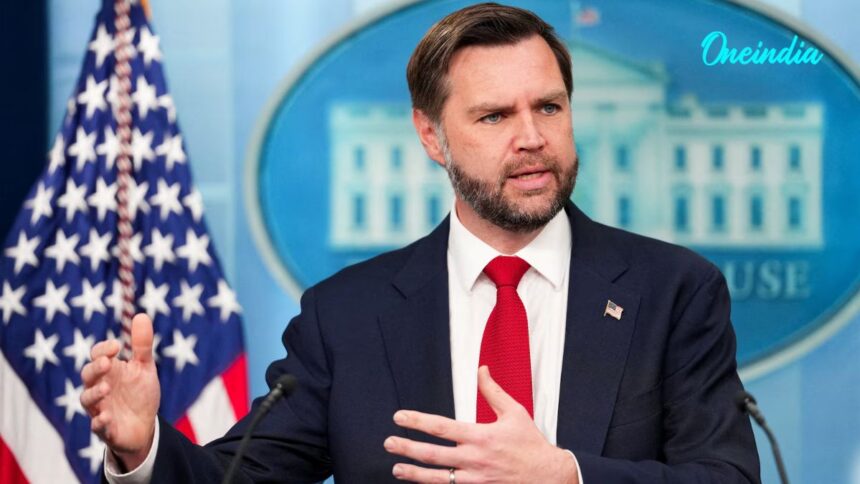
US Vice President JD Vance said on Sunday that discussions with Iran had shown “significant progress” on several fronts, although important differences remain over issues such as Lebanon and the Strait of Hormuz.
The talks are being mediated by Qatar and Pakistan and are being viewed as an important step towards rebuilding dialogue between Washington and Tehran.
Switzerland Hosts High-Level Talks
The negotiations officially began under what has been named the Lake Lucerne Summit. According to Qatar’s Foreign Ministry, representatives from the United States, Iran, Qatar, and Pakistan participated in the first meeting of a high-level committee tasked with advancing diplomatic discussions.
Prime Minister Muhammad Shehbaz Sharif meeting with Vice President of the United States J.D. Vance on the sidelines of US-Iran technical level talks as a follow -up of Islamabad MoU, being held in Burgenstock, Switzerland, 21 June 2026.#PakistanForPeace pic.twitter.com/vqHHvFhXVR
— Prime Ministers Office (@PakPMO) June 21, 2026
Qatar said the objective of the summit is to work towards a comprehensive and lasting agreement that addresses all issues covered under a previously agreed memorandum of understanding.
Officials described the meeting as the beginning of a longer diplomatic process rather than an attempt to secure an immediate breakthrough.
Qatar and Pakistan Play Mediating Role
Qatar’s Ministry of Foreign Affairs said specialised technical and expert groups have been formed to negotiate various aspects of a potential final agreement.
Majed bin Mohammed Al Ansari, spokesperson for Qatar’s Foreign Ministry, said the country would continue working alongside Pakistan and other stakeholders to create a positive atmosphere for negotiations.
He stressed that Qatar believes dialogue and diplomacy remain the most effective ways to resolve disputes and reduce regional tensions.
The involvement of both Qatar and Pakistan highlights growing international efforts to encourage direct communication between Washington and Tehran.
Talks Follow Temporary Peace Framework
The discussions come shortly after US President Donald Trump and Iranian President Masoud Pezeshkian agreed to an interim peace framework that provides a 60-day window for diplomatic engagement.
The agreement created an opportunity for both sides to return to the negotiating table and explore solutions to some of the most contentious issues in their relationship.
Vice President Vance is leading the American delegation in Switzerland and is expected to play a central role in shaping the next phase of negotiations.
Nuclear Programme Remains a Key Focus
One of the most important topics under discussion is Iran’s nuclear programme.
According to reports, the United States wants Iran to allow United Nations inspectors access to nuclear facilities across the country. International inspections are viewed as a critical step in building trust and reducing concerns about Iran’s nuclear activities.
Such inspections would also provide a clearer assessment of facilities that were reportedly affected during recent military operations involving the United States and Israel.
For Washington, increased transparency is considered an essential condition for future progress in negotiations.
Possible Financial Relief for Iran
In return for greater cooperation and transparency, the United States is reportedly considering limited financial relief measures.
One proposal under discussion involves allowing Iran access to approximately $6 billion in funds currently frozen in Qatar. The funds would reportedly be restricted to humanitarian purposes, including the purchase of food, medicine, and other essential goods.
Analysts view this as a confidence-building step that could help create momentum for broader negotiations while avoiding major sanctions relief at this early stage.
Long Road Ahead for Diplomacy
Although officials have described the initial discussions as positive, major challenges remain. Issues involving regional influence, security concerns, and long-standing political disagreements continue to divide the two sides.
However, the launch of direct negotiations and reports of progress have raised cautious optimism that diplomacy may help reduce tensions and create a framework for future agreements.
As talks continue near Lucerne, the international community will be closely watching whether the latest round of diplomacy can deliver meaningful results and pave the way for a more stable relationship between the United States and Iran.