Mumbai
oi-Madhuri Adnal

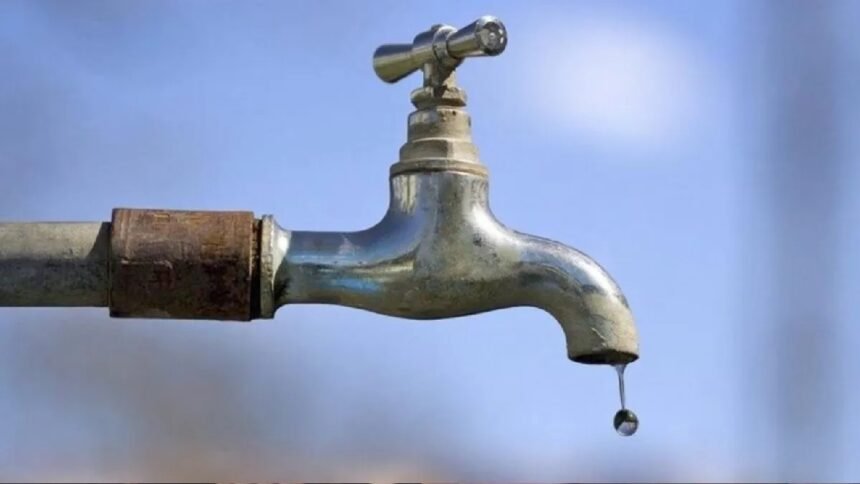
The Maharashtra government has ordered a minimum 10% cut in water supply across all urban local bodies from October 16, citing poor rainfall and concerns over water availability amid the continuing impact of El Niño.
The order applies to all municipal corporations, municipalities and gram panchayats in the state. Local authorities have been asked to strictly implement the water cut and carry out special drives to identify and fix leakages.
Maharashtra mandated a minimum 10% water supply cut for urban areas starting October 16 due to poor rainfall and El Niño impacts, declared drought in 265 talukas, and planned water usage until August 2027 prioritizing drinking water while directing industries to recycle 30% of water.

The government has also directed sewage treatment plants (STPs) to operate at full capacity. Treated wastewater should be reused for activities such as gardening, construction and washing instead of relying on fresh water for these purposes.
Water Resources Minister Girish Mahajan said the department has prepared a detailed plan covering the availability and use of water from individual dams and reservoirs until August 31, 2027.
Under the plan, drinking water will get the highest priority.
The government has declared drought in 265 talukas after the Trigger-1 criterion was applied during the 2026 kharif season. Mahajan said the possibility of El Niño continuing into next year had made it necessary for government agencies to plan ahead and ensure careful use of available water.
The state has decided to reserve water for drinking purposes in dams and reservoirs until August 31, 2027. While calculating the available stock, authorities will factor in evaporation, siltation and unauthorised water extraction.
The government will also maintain an additional emergency reserve equivalent to 10% of the water stored in each reservoir.
In extreme situations, authorities may consider using water from the dead storage level of reservoirs, but only after a technical assessment.
Industries asked to recycle water
Industries in the state have been directed to reuse or recycle at least 30% of the water they consume.
For agriculture, irrigation water will be considered only after drinking water, livestock and fodder requirements are met.
Among crops, rabi foodgrains and fodder will receive priority. Other rabi crops will be considered next, while perennial crops will receive water only if sufficient supplies remain.
The government has also asked authorities to encourage farmers to adopt water-saving irrigation methods to reduce pressure on reservoirs and make the available water last longer.