


Bengaluru
oi-Madhuri Adnal

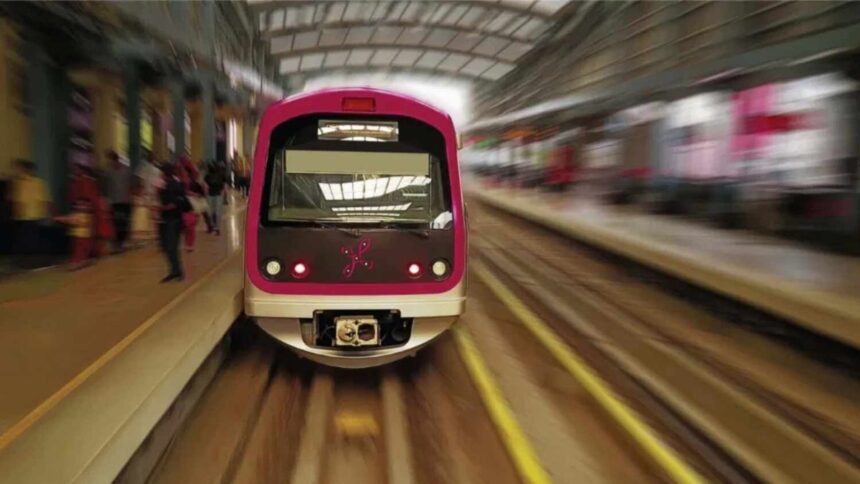
Namma Metro’s fare structure is back in focus after the revised Detailed Project Report (DPR) for Phase 3A projected a different path for future ticket prices, even though the final decision on fares will continue to rest with the statutory Fare Fixation Committee (FFC).
The revised DPR assumes Metro fares will go up by 12% once every three years as part of its long-term financial projections. If those estimates eventually become reality, the minimum fare would increase from Rs 10 to Rs 14, while the maximum fare could rise from Rs 90 to Rs 126 by 2033, the year Phase 3A is expected to be completed, as reported by DH.
Namma Metro’s Phase 3A DPR forecasts a 12% fare increase every three years, potentially raising maximum fares to Rs 126 by 2033, although the Fare Fixation Committee retains final decision authority.

That is a noticeable shift from earlier DPRs, which worked on the assumption of annual fare hikes of around 5%. The revised document, however, does not change how Metro fares are decided. Under the Metro Railways (Operation and Maintenance) Act, 2002, the Fare Fixation Committee alone has the authority to recommend revisions, and its decisions remain binding on the Metro operator.
The projections come months after BMRCL’s fare revision in February 2025 sparked widespread criticism. Acting on the recommendations of the first Fare Fixation Committee, the Bangalore Metro Rail Corporation Limited (BMRCL) raised fares by an average of 51.55% before discounts and 46.39% after discounts. The increase drew sharp reactions from commuters and political parties, with many arguing that the revised fares made Metro travel significantly more expensive.
For now, the figures mentioned in the revised DPR should be viewed as financial assumptions rather than a roadmap for future ticket prices. Any increase in Metro fares will still require a recommendation from the Fare Fixation Committee, as laid down under the existing law.