


India
oi-Gaurav Sharma

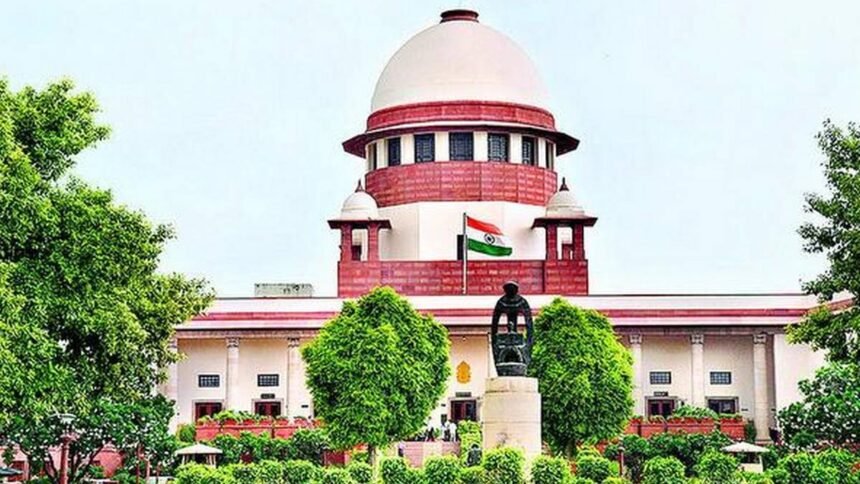
The Supreme Court on Sunday ordered barricades to be removed across Delhi and freedom of movement restored as it heard petitions challenging the police action during the Cockroach Janata Party (CJP) protest on October 10.
The court also directed that internet services should not be shut down and that lawyers should not be impeded in the performance of their professional duties.
The Supreme Court ordered the removal of Delhi barricades and restoration of free movement, directing internet services not be shut down and lawyers not impeded, following petitions regarding detentions and restrictions during the October 10 CJP protest.
A special bench of Justice Joymalya Bagchi and Justice V Mohana heard pleas raising the issues of allegedly illegal detentions, police action against lawyers and journalists, internet restrictions and closure of 45 Delhi Metro stations during the protest.

During the hearing, the bench said it would take the government’s assurance on record that Metro services had resumed and would operate normally barring a public order situation requiring restrictions.
The court also asked the Delhi Metro Rail Corporation to provide a map of the stations closed.
Kapil Sibal Raises Concerns Over Detentions
Senior advocate Kapil Sibal told the court that people had been allegedly detained outside the restricted protest zone, including near railway stations.
He also questioned the suspension of internet services and closure of Metro stations, seeking interim relief.
The bench said it understood the issues but was not seeking to belittle the situation and Justice Bagchi also said the court wanted to restore Mr. Sibal’s faith in the system after the senior lawyer had expressed frustration at having to continually approach the judiciary for relief.
The government told the court internet services had been restored and Metro operations were normal.
Lawyers Allege Assault, Seek Protection of Protest Rights
Senior advocate Shadan Farasat, who alleged he was assaulted and detained during Saturday’s protests, argued that the issue went beyond individual detentions and concerned citizens’ constitutional right to protest peacefully.
He said the situation in Delhi was deeply restrictive.
Senior advocate Menaka Guruswamy also raised concerns about the alleged detention of political leaders, lawyers, journalists and ordinary citizens.
She argued the case concerned the protection of constitutional rights and not merely the custody of individuals.
The Supreme Court Advocates-on-Record Association has separately approached the court over allegedly police action against protesting lawyers, seeking an independent inquiry, preservation of CCTV footage and accountability for alleged excesses.
Multiple Petitions Challenge Police Action
At least four petitions have been brought before the Supreme Court, addressing the alleged illegal detentions, detention of political leaders, alleged assaults on advocates and mediapersons, internet restrictions and Metro shutdown.
The bench is also dealing with a contempt petition alleging that the closure of Metro and train services breached the Supreme Court’s October 9 directions.
Justice Bagchi questioned whether certain allegations could be considered within the contempt proceedings without a formal application.
The court is hearing submissions from petitioners and the government, represented by Solicitor General Tushar Mehta, following the detention of several CJP leaders and other protesters during Saturday’s demonstrations.