




The precarious equilibrium in West Asia has definitively fractured as the collapse of the June 2026 US–Iran Memorandum of Understanding precipitated a sudden transition from fragile institutional diplomacy back to open, militarised confrontation. What began as gruelling negotiations aimed at curbing nuclear escalation, easing severe economic sanctions, and restoring maritime security quickly degenerated into mutual recriminations, targeted military strikes, and severe naval standoffs. The crisis reignited on July 7 after Iranian naval forces repeatedly interdicted and attacked commercial shipping attempting to bypass Tehran’s pre-approved transit protocols in the Strait of Hormuz. In response, US Central Command initiated a sustained air campaign, completing ten consecutive nights of heavy precision strikes against Iranian military installations, missile sites, and coastal defence infrastructure in southern Iran to degrade Tehran’s ability to threaten global shipping lanes.
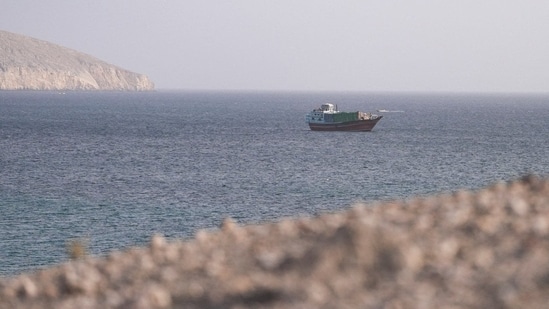
The active exchange of fire during the past week has dramatically escalated tactical risks across multiple regional theatres. Tehran retaliated by launching ballistic missiles and attack drones against US installations and allied facilities in Jordan, Kuwait, Iraq, and Bahrain, the operational home of the US Navy’s 5th Fleet. These retaliatory barrages inflicted nearly 100 US military casualties this month and resulted in American fatalities, including two service members killed in Jordan and another killed during drone-related operations in Iraq. Meanwhile, in the Strait of Hormuz, maritime security reached a breaking point this week as commercial oil tankers reported projectile strikes and severe damage off the coast of Oman, prompting Washington to threaten further strikes against fortified Iranian facilities, including the underground Pickaxe Mountain complex near Natanz, if nuclear or maritime threats continue.
Geopolitically, this renewed war has shattered the delicate regional security architecture and drawn major global powers deeper into the fray. The confrontation extends beyond bilateral strikes, directly pulling in non-State proxy networks across Lebanon, Yemen, and Iraq, while Israel continues military engagements in southern Lebanon. As Washington ramps up its offensive operational posture and enforces a naval presence to protect commercial transit, Beijing and Moscow are leveraging the volatility to consolidate their strategic energy relationships across Eurasia, further entrenching a polarised multipolar order. The threat of unrestrained escalation has prompted international bodies to issue worldwide security warnings as diplomatic frameworks crumble under the weight of daily military engagements.
The economic dimensions of these present-week hostilities are immediate and severe, primarily driven by the chokehold on the Strait of Hormuz. Because nearly a fifth of the world’s petroleum supply flows through this narrow waterway, ongoing attacks on commercial tankers have sent crude oil prices soaring past $100 per barrel. Global shipping conglomerates have suspended direct routes through the Persian Gulf or re-routed commercial vessels around the Cape of Good Hope, incurring immense fuel costs and surging war-risk insurance premiums. These logistics bottlenecks threaten to reignite global inflationary pressures, destabilise energy-dependent industrial economies, and create acute commodity shortages worldwide.
For India, a nation deeply intertwined with West Asia through proximity, energy dependencies, and human capital, the resurgence of open conflict presents a formidable multifaceted crisis. Energy security is the most urgent vulnerability, as India relies heavily on Gulf exporters like Qatar, the UAE, and Saudi Arabia for crude oil, liquefied natural gas (LNG), and liquefied petroleum gas (LPG). With commercial shipping paralysed near Hormuz, domestic fuel distribution in India faces severe strain. Given that over 300 million Indian households rely on LPG for daily cooking, any sustained supply disruption risks sparking domestic price spikes, inflating agricultural input costs, and reducing feedstocks for national fertiliser production.
Beyond primary energy supplies, India’s trade networks and industrial manufacturing are experiencing friction. Key agricultural exports, including basmati rice shipments valued at hundreds of millions of dollars, face significant delays at major western Indian ports like Kandla and Mundra due to cancelled shipping schedules and prohibitive freight rates. Simultaneously, domestic industries are battling raw material shortages, particularly construction sectors dependent on imported limestone and gypsum, power infrastructure reliant on copper imports, and the diamond polishing industry in Surat. In response, Indian commercial entities and trade ministries are invoking force majeure provisions to shield exporters from contractual penalties while attempting to secure alternative supply lines through Oman and Russia.
Another critical dimension involves the safety and financial stability of the nearly nine million Indian citizens living and working in the Gulf region. As commercial centres, port facilities, and urban hubs in allied Gulf states come under threat from incoming drone or missile barrages, ensuring the physical safety of this vast diaspora becomes a top national priority. A prolonged military conflict or widespread economic downturn in host countries would not only trigger massive, complex logistical evacuation efforts but would also severely diminish foreign remittance flows, which account for tens of billions of dollars annually, thereby widening India’s current account deficit and stressing foreign exchange reserves.
From a diplomatic standpoint, the active warfare tests India’s policy of strategic autonomy to its limits. New Delhi maintains vital tri-directional relationships in the region: advanced defence and technological ties with Israel, crucial strategic and economic partnerships with the US, and essential trade and transit cooperation with Iran, such as the strategic Chabahar Port project. As daily strikes escalate between Washington and Tehran, maintaining a strictly non-aligned posture becomes increasingly delicate. While western allies demand stricter enforcement against Iranian maritime blockades: India must keep open communication channels with Tehran to ensure safe passage for Indian-crewed commercial vessels navigating the Persian Gulf.
Ultimately, the present-week breakdown of peace between the US and Iran demonstrates the extreme fragility of regional ceasefire agreements when structural security concerns remain unresolved. The transition from diplomatic dialogue back to missile strikes and naval warfare offers no viable victory, imposing severe economic and geopolitical costs globally. For emerging powers like India, this expanding conflict serves as a critical imperative to strengthen strategic petroleum reserves, diversify international trade corridors, and maintain active diplomatic agility to protect national interests against foreign geopolitical volatility.
(The views expressed are personal)
This article is authored by Gunwant Singh, scholar, international relations and security studies, Jawaharlal Nehru University, New Delhi.