



India
oi-Ashish Rana

The Allahabad High Court recently used a strong term while cancelling the National Security Act (NSA) detention of a student activist Akriti Chaudhary. The court warned if the government officials will use their power in such wrong way then one day Uttar Pradesh will become an “Orwellian Dystopia”. But exactly what does “Orwellian Dystopia” means, why did the Allahabad High Court used this term in the Akriti Chaudhary case?

The Allahabad High Court cancelled Akriti Chaudhary’s National Security Act detention, warning Uttar Pradesh could become an “Orwellian Dystopia” over official power misuse, citing insufficient evidence and ordering ₹5 lakh compensation.
What Is An ‘Orwellian Dystopia’?
The world ‘Orwellian’ comes from British writer George Orwell, who was famous for writing 1949 novel Nineteen Eight-Four.
The book showed how a society where the government has extreme control over the lives of people. People are watched, their freedom is limited and then they are not even free to express their thoughts.
The word ‘Dystopia’ means a society where people live under a very bad, oppressive, and unfair conditions.
So, “Orwellian Dystopia” is generally termed to describe a society where those are in power have too much to control and people’s basic freedoms are also even under control.
Today, the phrase is generally used when government power is seen as become too strong or when people’s freedom of speech and privacy are under serious oppressed threat.
Why Did The Allahabad HC Use This Phrase?
The court used this term in hearing of a case involving Akriti Chaudhary’s detention under NSA act. A Delhi University activist Akriti Chaudhary was arrested in connection with Noida worker’s protest in April 2026. The Uttar Pradesh government later used the NSA against her and activist-journalist Satyam Verma on 13 May.
The bench of justice Atul Sreedharan and Justice Achal Sachdev found that the evidence used against Akriti didn’t show that she had encouraged riots, arson or any damage to property.
The court even stated that government’s duty is to protect people’s rights. It also asked officials that their “loyalty is towards the Constitution and not the political executive”.
What Did The Court Say About Protests?
The High Court said that the people have the right to protest peacefully. It said that government and authorities can’t stop public gatherings simple because they think there could be a law and order problem.
The court said that the reasons given for Akriti Chaudhary’s NSA detention were merely based on opinions and assumptions and were not supported by enough evidence.
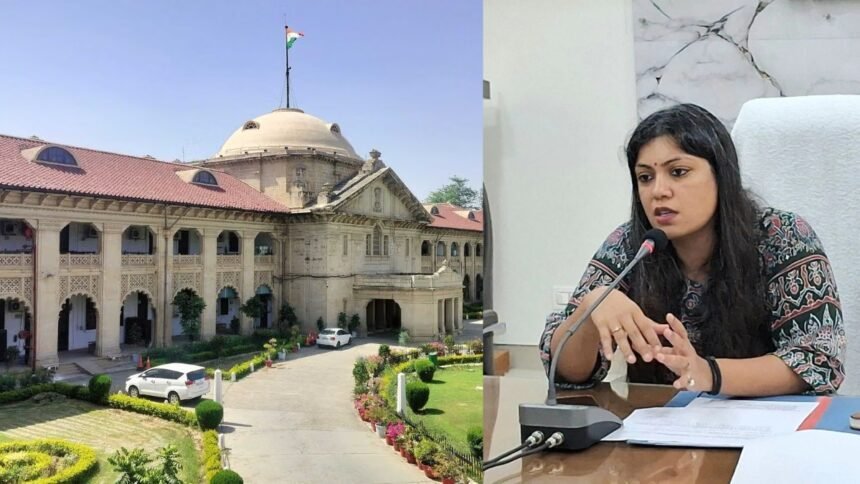
It also hit back to Gautam Buddha Nagar District Magistrate Medha Roopam who passed the order of NSA detention. The court said the circumstances tell that she “desired to set an example” out of Chaudhary.
What Happens After The Court’s Order?
The High Court has cancelled Akriti Chaudhary’s NSA detention and ordered Rs 5 Lakh compensation for the violence of her Article 21 rights.
The court even directed that the money be recovered from the salaries of District Magistrate and other officers who were responsible “right down to the SHO”. However, with this court also cleared that it doesn’t mean Akriti Chaudhary is now free, she is till judicial custody in other criminal charges as her bail application was rejected.